The Ancient Origin of Water Offering to Lord Shiva
The sacred tradition of performing Abhishekam by pouring water on the Shivling finds its roots in one of Hinduism's most profound mythological events - the Samudra Manthan (churning of the cosmic ocean). According to ancient scriptures, during this celestial event, a deadly poison called Halahal emerged from the ocean, threatening to destroy the entire universe.
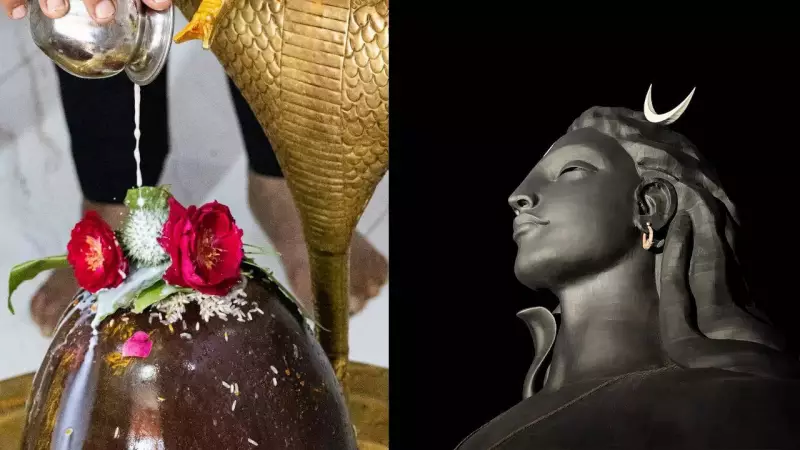
In an act of supreme sacrifice, Lord Shiva consumed the poison to protect creation. The venom generated intense heat and caused severe pain throughout his body. To alleviate his suffering and cool his burning form, the Devtas (celestial beings) poured water over his head. This compassionate act established the eternal practice of offering water to Shiva, which continues to be an integral part of Hindu worship today.
Spiritual Significance of Shivling Abhishekam
Devotees believe that pouring water on the Shivling helps calm the intense spiritual energy radiating from it. This sacred ritual serves to cleanse the mind and soul of impurities and negative thoughts, creating a pathway to spiritual purity. The practice symbolizes surrender, devotion, and purity of intention toward Lord Shiva.

Every Monday, which is considered especially auspicious for Shiva worship, millions of devotees across India perform this ritual with deep reverence. The ceremony represents not just religious observance but a profound connection with the divine through simple yet powerful offerings.
5 Sacred Additives for Enhanced Spiritual Benefits
While water alone constitutes the primary offering, devotees traditionally enhance the spiritual potency of Shivling Abhishekam by adding certain sacred ingredients. These substances carry deep symbolic meanings and are believed to amplify the ritual's benefits.
1. Honey: The Nectar of Immortality
Honey holds a sacred position in Hindu rituals, symbolizing sweetness, purity, and the divine nectar of immortality known as Amrit. When added to the water for Abhishekam, honey represents the devotee's prayer for a sweet and prosperous life. Spiritual practitioners believe that honey purifies the environment and elevates the vibrational energy surrounding the Shivling, thereby attracting divine blessings.
2. Ghee: Illumination and Clarity
Clarified butter, or ghee, embodies nourishment, light, and mental clarity in Vedic traditions. Its use in Shiva worship invokes purity and positive energy. Bathing the Shivling with ghee is thought to remove negativity and promote spiritual illumination and inner strength. The golden substance represents the light of consciousness that dispels the darkness of ignorance.
3. Sugarcane Juice or Jaggery Water: Abundance and Joy
The addition of sugarcane juice or water dissolved with jaggery serves as a natural sweetener representing happiness and prosperity. This offering connects to India's agricultural heritage, symbolizing fertility and abundance. Devotees believe this sweet offering helps dissolve karmic obstacles, particularly during Shiva worship, paving the way for a life filled with sweetness and joy.
4. Milk: Purity and Surrender
In Hindu culture, milk represents ultimate purity and piety. Offering milk to the Shivling signifies the surrender of one's ego and desires to the divine. The white liquid also symbolizes cleansing and rejuvenation. This practice directly connects to the Samudra Manthan legend, where water cooled Shiva after he consumed the poison, making milk particularly significant for calming the fiery energy associated with Lord Shiva.
5. Kalonji: Protection and Healing
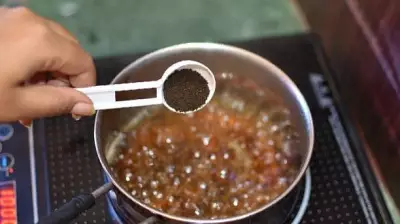
Nigella seeds, commonly known as Kalonji, are frequently added to Abhishekam water for their spiritual and healing properties. These tiny black seeds are renowned for warding off negative energies and providing protection against evil forces. Kalonji helps in cleansing the aura and is believed to mitigate the ill effects of planetary positions and negative karma, offering spiritual and physical healing to devotees.

Enduring Legacy of Shiva Worship
The practice of Shivling Abhishekam continues to thrive as a living tradition that bridges ancient mythology with contemporary spiritual practice. Each element added to the ritual water carries centuries of symbolic meaning and spiritual wisdom, making every offering a profound act of devotion. The ritual remains particularly significant on Mondays, when temples across India witness large gatherings of devotees seeking blessings, purification, and connection with the divine through this timeless practice.
This ancient tradition not only honors Lord Shiva's compassionate nature but also provides devotees with a tangible method for spiritual cleansing and personal transformation, maintaining its relevance in modern Hindu worship.