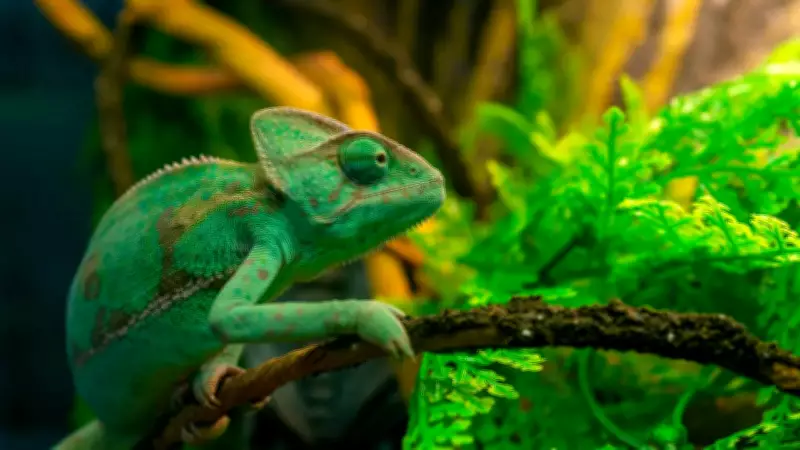
When we think of animals that can change colour, chameleons are usually the first to come to mind. However, nature is far more fascinating and diverse. Many other creatures have developed the ability to change their colour for survival, communication, or camouflage. This remarkable adaptation helps them blend into their surroundings, avoid predators, or even attract mates. Here are five such amazing animals.
Octopus
One of the most highly developed colour changers in the animal kingdom is the octopus. With special cells on its skin known as chromatophores, the octopus can change both its colour and appearance. It does this to camouflage itself for protection from enemies or to sneak up on prey. The octopus can also alter the texture of its skin to mimic rocks or coral, making it a master of disguise.
Cuttlefish
The cuttlefish is often called the “chameleon of the sea.” It can rapidly change colour, pattern, and even skin texture within seconds. This ability is used for camouflage, communication, and hunting. Cuttlefish also display flashing patterns to confuse predators or signal to other cuttlefish, making them highly intelligent marine animals. Their colour changes are among the fastest in the animal kingdom.

Squid
Squid possess colour-changing abilities similar to octopuses and cuttlefish. They use chromatophores and reflective cells to create dynamic colour displays. Squid often use this ability to communicate with each other, especially during mating or when signaling danger. Their quick colour shifts make them both effective hunters and elusive prey. Some squid species can even produce bioluminescent displays.
Golden Tortoise Beetle
The golden tortoise beetle is a small insect known for its striking colour transformation. It can change from shiny golden to reddish-brown depending on its mood, health, or external disturbance. This change is caused by fluid shifts beneath its transparent shell, making it appear like a living piece of gold. When disturbed, the beetle can also change to a dull colour to avoid detection.
Pacific Tree Frog
The Pacific tree frog can change its colour from green to brown or grey to match its surroundings. This helps it stay hidden from predators in forests and wetlands. Unlike rapid changers like octopuses, its colour change is slower but still effective for camouflage and survival. The frog's colour change is influenced by temperature, humidity, and light conditions.
Changing colour is one of the most amazing survival tactics in nature. In the depths of the oceans and the forests, there are distinct mechanisms for animals to change their looks. The species mentioned above are living examples showing that the chameleon is not the only one capable of such an amazing talent.