1897 Indian Royal Banquet Menu Reveals Global Fusion Cuisine in Colonial Era
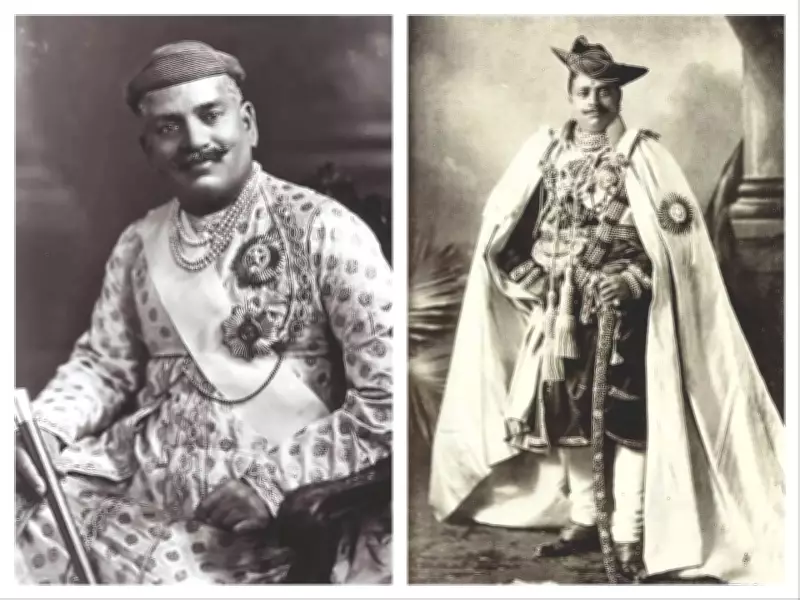
Imagine attending a dinner in India during the year 1897 and receiving a menu that could easily rival the offerings of a luxury Parisian hotel. This remarkable historical artifact has been brought to light by historian Neha Vermani, who uncovered a royal banquet card from the Maharaja of Baroda's feast in honor of the Maharaja Scindia of Gwalior. The menu is a culinary time capsule, featuring an eclectic mix of dishes including truffles, mayonnaise, partridge, artichokes, curry with rice, and pistachio ice cream.
A Culinary Journey Across Continents
The ultimate plot twist in this gastronomic story is that this historic menu now resides in a United States archive, offering a unique form of time travel through its detailed plating descriptions. According to archival notes and pictures shared by Neha Vermani, this royal food time capsule reveals that guests indulged in a lavish spread. They enjoyed almond custard, truffled chicken soup, braised fish in mayonnaise, Italian-style lamb cutlets, and roast partridge with peas. This was not a European cruise buffet but a palace dinner in colonial-era India, showcasing the opulence and international influences of the time.
Fusion Cuisine Before It Was Trendy
Amidst all the French culinary swagger, the menu included Curry de Macédoine de Légumes et Riz, which translates to vegetable stew and rice. This was followed by desserts such as apples in cream and pistachio ice cream. Royal chefs were expertly blending continents and flavors long before social media platforms like Instagram could popularize the concept of fusion cuisine. This discovery highlights how Indian royalty embraced global ingredients and cooking styles, creating a unique dining experience that predates modern food trends.

The menu serves as a testament to the sophisticated palates and cultural exchanges of the era, offering insights into the social and culinary dynamics of colonial India. It underscores how food served as a bridge between different worlds, with dishes that combined local traditions with international flair. This finding not only enriches our understanding of historical gastronomy but also celebrates the innovative spirit of royal chefs who crafted meals that were both luxurious and globally inspired.