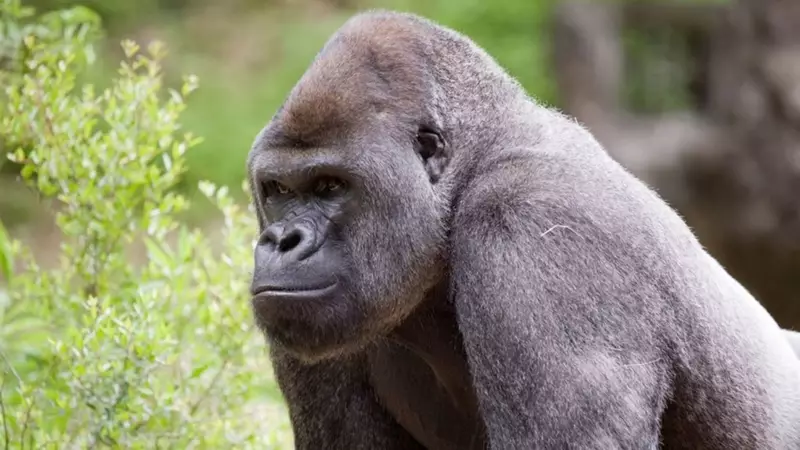
Female Power in Animal Kingdom: 10 Species Where Females Dominate Males
A groundbreaking study has completely overturned long-standing beliefs about gender dynamics in gorilla societies. For decades, scientists assumed male gorillas held all the power due to their impressive size advantage over females. However, recent research reveals a different story altogether.
Gorillas: Size Doesn't Always Determine Dominance
Scientists from the Max Planck Institute for Evolutionary Anthropology and the University of Turku analyzed 25 years of behavioral data from wild mountain gorillas. Their findings are truly remarkable. The research shows that female gorillas can and regularly do overpower males twice their size, particularly when dealing with non-alpha males.
Here's what the study discovered:

- 88% of female gorillas outranked at least one adult male in groups with multiple males
- Females won one in four conflicts with non-alpha males
- This dominance occurs despite females being significantly smaller than their male counterparts
This research clearly demonstrates that factors beyond physical size determine dominance in gorilla societies. Social alliances, strategic thinking, and group dynamics play crucial roles in establishing power structures.
Other Animals Where Females Rule
Gorillas are not alone in this pattern. Numerous animal species showcase female dominance in fascinating ways. Here are nine more examples where females take charge:
1. Bonobos: The Peaceful Matriarchs
Bonobo societies are distinctly female-led. Adult females form strong coalitions to maintain social dominance over males. Despite their smaller size, they consistently outcompete males for essential resources including food, grooming partners, and mating opportunities. Interestingly, male bonobos inherit their status through maternal lineage rather than physical power.
2. Elephants: Wise Matriarchs Lead the Way
Elephant herds operate under clear matriarchal leadership. The oldest and wisest female, known as the matriarch, makes all critical decisions for the group. She determines where the herd travels, when they rest, and how they respond to potential threats. While male elephants become solitary as they age, females maintain complex social networks that ensure group survival.
3. Spotted Hyenas: Physically Superior Females
Spotted hyena societies present one of the most extreme examples of female dominance. Females are not only larger and more aggressive than males but also maintain strict social hierarchies. The highest-ranking male still falls below the lowest-ranking female in status. Female hyenas possess higher levels of testosterone-like hormones, contributing significantly to their physical strength and dominant behavior.
4. Ants and Bees: Ultimate Female Control
In eusocial insect colonies like ants and bees, females hold absolute power. The queen controls reproduction for the entire colony and lives significantly longer than any other member. Worker females dominate all colony activities, while males exist solely for mating purposes and typically die shortly afterward.
5. Orb-Weaving Spiders and Black Widows
Many spider species showcase dramatic size differences between genders. Females are often several times larger than males and frequently practice sexual cannibalism, consuming males after mating. Their substantial size provides distinct survival and reproductive advantages, allowing them to hunt larger prey and live much longer than their male counterparts.
6. Green Anacondas: Massive Females Attract Multiple Mates
Female green anacondas can reach weights up to five times greater than males. During mating season, a single female may attract a "breeding ball" of ten or more competing males. After mating, females have been observed cannibalizing males, possibly as a nutritional source to support gestation.
7. Poison Dart Frogs: Territorial Females
Certain poison dart frog species, like the Strawberry Poison Dart Frog, feature highly territorial females. They aggressively fight off both rival females and males while playing crucial roles in selecting safe locations for their tadpoles. These females retain strong control over reproductive success throughout the breeding process.

8. Birds of Prey: Larger and Stronger Females
Female raptors including eagles, hawks, and owls typically exhibit reverse sexual dimorphism, meaning they are much larger and stronger than males. This size difference allows breeding pairs to hunt different-sized prey, maximizing food efficiency for their offspring. Females dominate nest sites and make critical decisions about territory and care.
9. Komodo Dragons: Territorial and Powerful
Female Komodo dragons are larger, more territorial, and often dominate prime feeding sites. While males may fight for mating rights, females control nesting sites and excel at defending against intruders. Remarkably, female Komodo dragons can reproduce asexually through parthenogenesis when necessary.
Evolutionary Insights
These diverse examples highlight a crucial evolutionary truth: physical dominance represents only one form of power in animal societies. In numerous species, female strength, intelligence, and leadership prove essential for survival and reproductive success. Evolution has shaped these gender roles based on specific environmental needs, social dynamics, and biological requirements unique to each species.
The animal kingdom continues to surprise us with its complexity. Female dominance across these ten species demonstrates that power comes in many forms, challenging our traditional assumptions about gender roles in nature.