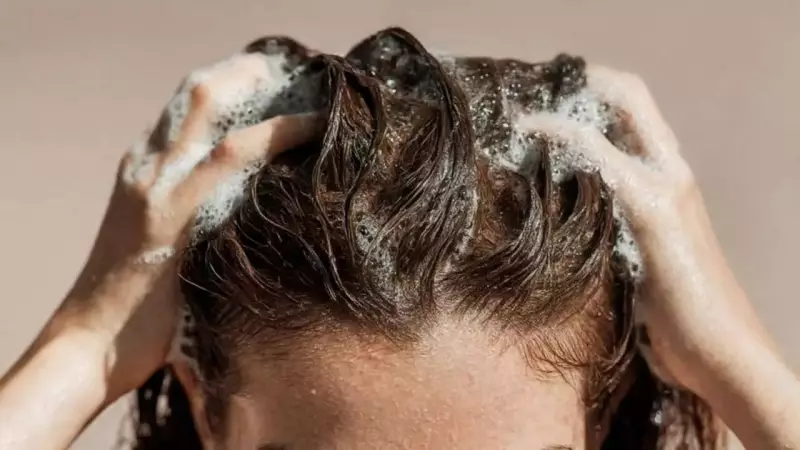
Winter Hair Woes: Understanding the Seasonal Shift
As temperatures drop across India, many people notice significant changes in their hair behavior. The cozy winter layers and warm drinks come with an unwelcome companion: dry air that transforms your hair's texture and scalp health. Suddenly, your scalp feels flaky, strands lose moisture rapidly, and your trusted shampoo routine stops delivering the same results it did during summer months.
The fundamental question bothering countless individuals during colder months is straightforward: how many times should you actually wash your hair during winter? According to dermatological research, there's no universal answer because cold weather impacts scalp health, natural oil production, and hair texture differently for each person.
The Science Behind Winter Scalp Changes
A revealing study published in the International Journal of Cosmetic Science discovered that cold winter air significantly increases transepidermal water loss (TEWL) while simultaneously decreasing skin hydration. This dual effect makes skin drier, more irritated, and increasingly vulnerable to barrier disruption.

This scientific understanding explains why overwashing can intensify winter-related dryness, while underwashing may lead to product buildup and persistent itching. The combination of chilly outdoor temperatures and indoor heating systems strips essential moisture from both scalp and hair strands. Additionally, sebum production naturally slows down, meaning your hair becomes drier even if it typically turns oily quickly during warmer seasons.
Tailoring Your Wash Frequency to Your Scalp Type
For Dry or Sensitive Scalp
If you naturally have a dry or sensitive scalp, winter conditions can dramatically worsen your situation. Limiting hair washes to one or two times weekly proves ideal for this scalp type. Reducing wash frequency helps preserve your scalp's protective natural oils and prevents uncomfortable tightness or visible flaking.
Dermatologists recommend selecting sulfate-free or moisturizing shampoos and following every wash with a hydrating conditioner. Incorporating a nourishing hair mask once weekly provides additional protection. The crucial strategy involves avoiding excessive cleansing that strips the essential oils your scalp desperately needs during winter months.
For Oily Scalp
Individuals with oily scalps often feel compelled to wash daily, but winter might slightly reduce oil production. Most skin specialists suggest washing two to three times weekly during winter for oily scalps. This frequency prevents buildup without aggressively stripping moisture.
Lightweight, balancing shampoos work most effectively. If you experience oily roots combined with dry ends during winter, apply conditioner exclusively from mid-lengths to ends. Remember that overwashing can paradoxically trigger your scalp to produce even more oil, making a balanced routine essential.
For Curly or Textured Hair
Curly, coily, and textured hair varieties lose moisture much faster in cold weather because their spiral structure makes natural oil distribution challenging. For these hair types, washing once weekly or even once every ten days is recommended.
Co-washing (using conditioner only) helps maintain moisture between proper washes, while deep conditioning becomes particularly crucial during winter. Employing gentle detergents and hydrating masks will keep curls well-defined instead of dry or frizzy.
Lifestyle Factors That Influence Wash Frequency
Your daily environment and routines also determine how often you should wash your hair during colder months. Consider these scenarios:
If you exercise regularly, you might need an additional wash but should opt for mild shampoo formulations. Those spending most days in heated indoor spaces might notice increased scalp dryness, necessitating reduced wash frequency. People using heavy styling products may benefit from clarifying their hair once every two weeks to prevent buildup.
Listening to your scalp's signals matters more than following rigid schedules. Pay attention to how your scalp feels and adjust your routine accordingly.

Recognizing Wash Frequency Mistakes
Signs You're Washing Too Often
Overwashing during winter quickly manifests as scalp tightness, persistent itchiness, white flakes, rough hair strands, or that squeaky-clean sensation after shampooing. These symptoms indicate your scalp barrier has become compromised. If this occurs, reduce your washing frequency, switch to hydrating shampoo, and incorporate scalp oils or treatment masks weekly.
Signs You're Not Washing Enough
Underwashing also carries consequences. If your scalp feels consistently itchy, greasy, or heavy, or you notice flakes sticking to roots rather than falling off, you might be under-cleansing. In this situation, slightly increase wash frequency and use gentle products that don't excessively dry your scalp.
Creating Your Personalized Winter Hair Care Plan
No universal rule governs how often you should wash your hair during winter. Instead, the perfect routine depends on your specific scalp type, hair texture, lifestyle, and how your scalp reacts to cold, dry air. Most people find themselves washing between one and three times weekly, adjusting based on comfort and scalp health observations.
The ultimate goal involves maintaining moisture, preventing irritation, and supporting a healthy scalp barrier throughout the challenging winter season. Winter hair care succeeds best when you respond to what your scalp actually needs rather than stubbornly sticking to your summer routine. Pay attention, adjust accordingly, and your hair will thank you throughout the chilly months.