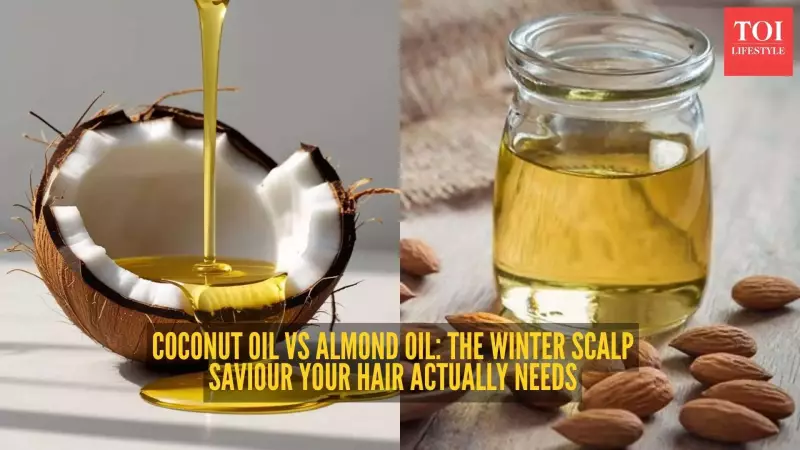
The age-old debate in Indian haircare routines, especially during the harsh winter months, often boils down to a choice between two beloved natural oils: almond oil and coconut oil. As the mercury drops, our scalp tends to become dry, flaky, and irritable, making the right oil choice crucial for maintaining healthy, shiny locks. Both oils have been vanity staples for generations, celebrated for their transformative abilities. But which one truly reigns supreme for winter scalp care? The answer, as experts suggest, isn't universal—it hinges on your specific hair type, texture, and scalp concerns.
The Timeless Classic: Deep Hydration with Coconut Oil
Coconut oil, extracted from mature coconuts, is a heavyweight champion in the haircare arena. It is densely packed with fatty acids, antioxidants, and a high concentration of lauric acid. This unique composition allows it to penetrate deeply into the hair shaft, binding to hair proteins and repairing damage caused by protein loss. Its rich, viscous texture makes it exceptionally effective at retaining moisture, which is why it works like magic on dry, brittle, and frizzy hair types common in winter.
During the colder season, regular application of warm coconut oil can stimulate the scalp, improve blood circulation, and create a protective barrier against environmental pollutants and indoor heating. Its natural antifungal properties also help keep scalp irritation and dandruff under control, promoting an environment conducive to hair growth and leaving strands looking resilient, silky, and strong.

The Lightweight Nourisher: Gentle Care with Almond Oil
On the other end of the spectrum lies almond oil, typically extracted from nutrient-dense sweet almonds. Renowned for its lightweight and non-greasy texture, it is brimming with hair-friendly nutrients like Vitamin E, magnesium, omega-3 fatty acids, and biotin. This oil works by smoothing the hair cuticle, providing a soft, glossy finish without weighing hair down—a common winter woe.
For the winter scalp, almond oil's emollient properties are a boon. It soothes dryness and irritation effectively, thanks to its rich Vitamin E content. The oil nourishes the scalp, strengthens hair follicles from root to tip, and improves hair elasticity, thereby reducing breakage and taming flyaways. Its ability to deliver gentle moisturization without greasiness makes it a preferred choice for those seeking full-scale care during dry months.
Making the Right Choice for Your Winter Hair
So, which oil should you reach for this winter? The decision primarily rests on your hair's characteristics.
If you have fine, thin, or oily hair, sweet almond oil is likely your best bet. Its lightweight nature provides the necessary nourishment and shine without making your hair look limp or greasy, a common issue when heavy oils are used on fine strands.
If your hair is thick, coarse, extremely dry, or prone to intense frizz, coconut oil is the superior choice. Its deep-penetrating and protein-binding qualities are ideal for managing unruly hair, providing intense hydration, and preventing moisture loss in harsh winter air.
Regardless of your choice, consistency and correct application are key. Always warm the oil slightly before applying it to your scalp and hair, as this enhances absorption. Gently massage it in, leave it on for at least an hour or overnight for deep conditioning, and wash it off with a mild shampoo. Listen to your scalp's needs this winter, and let this timeless natural remedy keep your crowning glory healthy and vibrant.