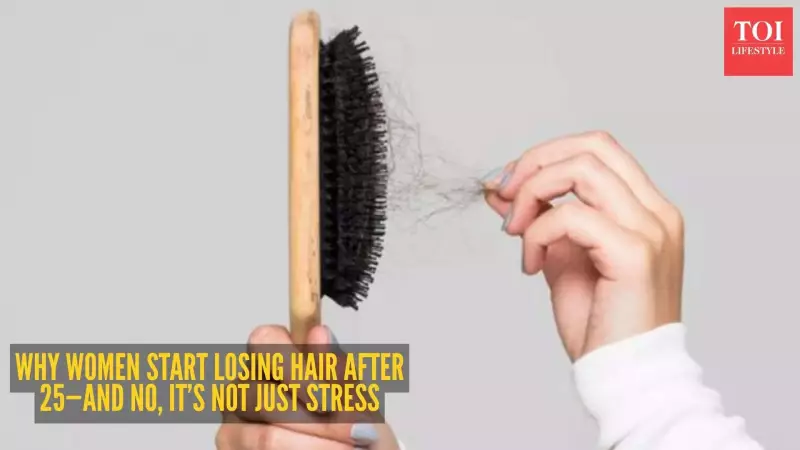
For many women, entering their mid-20s comes with an unexpected and distressing companion: significant hair loss. While this period of life is often associated with vibrancy and health, a growing number of young women are finding their thick manes thinning, a reality seldom discussed openly. The truth is, losing hair in your 20s is not a 'normal' part of ageing and often signals underlying issues that require attention. Understanding the triggers is the first step toward effective management and treatment.
Primary Causes of Hair Loss in Young Women
The reasons behind premature hair fall are varied and complex. It is a multifaceted issue where genetics, lifestyle, and health conditions intersect. Experts emphasize that pinpointing the exact cause is critical, which is why consulting a female hair loss specialist is non-negotiable for an accurate diagnosis and a tailored action plan. Self-diagnosis can lead to mismanagement and prolonged distress.
1. Alopecia Areata: An Autoimmune Attack
One significant medical cause is alopecia areata, an autoimmune disorder where the body's own white blood cells mistakenly attack the hair follicles. This leads to sudden, patchy hair loss that can occur not just on the scalp but also on the beard, eyebrows, armpits, and chest. It affects at least 2% of the general population and is notably more prevalent among individuals in their 20s and 30s. The condition can be unpredictable, with hair sometimes regrowing on its own or requiring medical intervention.

2. Telogen Effluvium: Temporary But Traumatic Shedding
Telogen effluvium represents a form of temporary hair shedding where the daily hair loss exceeds the typical 50-100 strands. It results in diffuse thinning across the entire scalp. Common triggers include:
- Physical injury or surgery
- Severe illness or infection
- Major hormonal shifts
- Extreme stress
While this condition predominantly affects women and often resolves within 3 to 6 months after the trigger is removed, it is crucial to seek professional help if excessive shedding persists beyond six months.
3. The Silent Culprit: Chronic Stress
Dismissing stress as a mere lifestyle factor is a mistake. For women in their 20s facing immense pressure to excel in careers, personal life, and societal expectations, chronic stress can have a tangible, long-term impact on hair health. Elevated stress levels can disrupt the hair growth cycle, leading to increased shedding. Furthermore, while not the primary cause, high stress can be a significant risk factor for accelerating female pattern hair loss, compounding genetic predisposition.
4. Hormonal Fluctuations and Imbalances
Hair is highly sensitive to changes in the body's hormonal landscape. For younger women, several factors can create these shifts, directly impacting hair follicles. Key contributors include:
- Starting or stopping birth control pills
- Pregnancy and postpartum changes
- Conditions like Polycystic Ovary Syndrome (PCOS) and endometriosis
These conditions alter hormone levels and often increase stress, potentially leading to telogen effluvium. If you suspect a hormonal link to your hair loss, speaking to a doctor for proper testing and guidance is essential.
Taking Action: Why Professional Help is Key
The common thread among all these triggers is the necessity for professional medical insight. What presents as simple hair fall could be a symptom of a deeper health issue like PCOS or a thyroid disorder. A specialist can perform necessary diagnostics to distinguish between genetic female pattern hair loss, autoimmune conditions, or temporary shedding. Early intervention can prevent further loss, improve treatment outcomes, and provide much-needed peace of mind. The uncomfortable truth is that hair loss in your 20s is a sign your body might be giving you, and it deserves a listening ear—preferably that of an expert.