

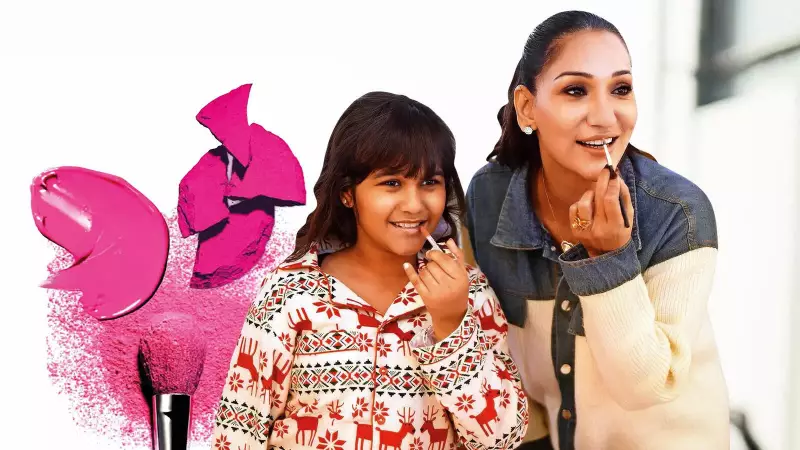
Remember the simple CTM – cleansing, toning, moisturising – routine that defined skincare in the 1990s? The landscape has transformed dramatically by 2025, evolving into complex multi-step regimens aimed at achieving flawless, glowing skin. While teenagers and adults have long-established morning and night routines, a surprising new demographic is now dipping into the world of cosmetics: toddlers and young children.
The Rise of the Miniature Makeup Enthusiast
Today's birthday parties and social gatherings are witnessing a novel trend. Kids, some as young as three, are experimenting with cosmetics and skincare products, wanting to look 'just right' for special occasions. This shift from pretend-play kits to actual application is creating a fresh dilemma for modern parents across India. What was once a toy is now becoming a part of a child's grooming ritual.
A Mother's Perspective: "Makeup Gives Her Happiness"
This new reality is perfectly illustrated by Shweta Sharma, a mother from Delhi. She initially purchased a kids' makeup kit for her three-year-old daughter, Saanvi, for imaginative play. However, the little girl developed a genuine fondness for applying the products. "Makeup gives her some kind of happiness," says Sharma, noting Saanvi's particular love for lip gloss and nail paint. This sentiment echoes in many households where children observe and mimic adult beauty routines.

Navigating the New Norm: Safety and Sentiment
The trend poses significant questions for caregivers. Parents are now tasked with balancing their child's desire for self-expression with concerns about product safety, age-appropriateness, and the potential impact on self-image. The market has responded with a surge in 'kids-friendly' cosmetic lines, but experts urge caution and moderation. The key challenge lies in fostering creativity without encouraging premature engagement with beauty standards typically associated with adulthood.
The evolution from the basic CTM of the 90s to today's scenario where toddlers have favorite beauty products marks a significant cultural shift. As 2025 progresses, Indian parents are learning to navigate this delicate space, weighing their child's momentary joy against long-term parenting principles in an increasingly image-conscious world.






