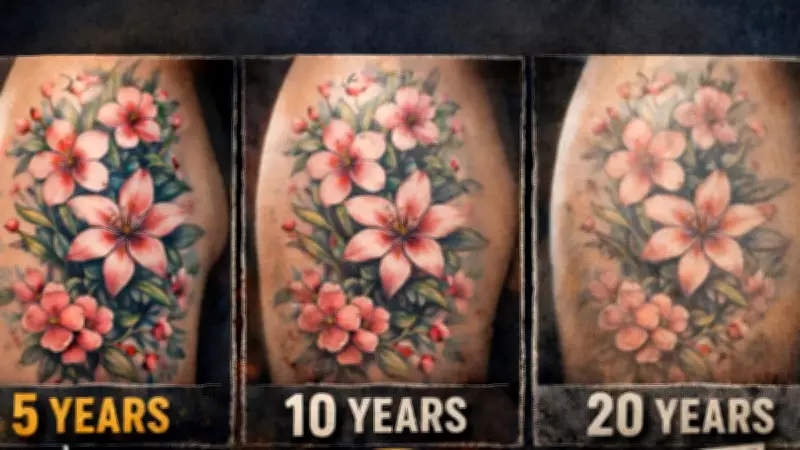
The Long-Term Journey of Your Tattoo: How Ink Ages Over Decades
Getting a tattoo is often seen as a permanent commitment, but what many people don't realize is that the vibrant design etched into your skin today will undergo significant changes over the years. The aging process of tattoos is a fascinating interplay of biology, art, and time, influenced by factors like skin type, sun exposure, and placement. Understanding what happens to your tattoo after 5, 10, and 20 years can help you make informed decisions and maintain your ink's appearance for longer.
After 5 Years: The Initial Settling Phase
In the first five years, your tattoo goes through a critical period of stabilization. Initially, the ink is deposited into the dermis layer of your skin, where it's held by immune cells called macrophages. Over time, these cells can break down or migrate, causing subtle changes.
- Fading Begins: Colors may start to lose their intensity, especially lighter shades like yellows and pastels. Black ink tends to hold up better but can soften slightly.
- Blurring Edges: Fine lines and intricate details might begin to blur as the ink spreads microscopically under the skin.
- Skin Changes: Factors like weight fluctuations, pregnancy, or muscle gain can stretch the skin, distorting the tattoo's shape.
Proper aftercare during this period, including regular moisturizing and sun protection, is crucial to slow down these effects. Sunscreen with high SPF is particularly important, as UV rays are a primary cause of premature fading.

After 10 Years: Noticeable Aging and Color Shifts
By the decade mark, the aging process becomes more apparent. The tattoo has fully integrated into your skin, but time and environmental factors take their toll.
- Significant Fading: Colors continue to fade, with some hues like reds and greens potentially changing tone. Black ink may develop a bluish or greenish tint in some cases.
- Line Spread: Lines thicken and blur further, making detailed designs less crisp. This is due to the ink particles dispersing slowly in the dermis.
- Skin Texture: As skin ages naturally, it loses collagen and elasticity, which can cause the tattoo to appear wrinkled or saggy, especially in areas prone to aging like the arms or abdomen.
At this stage, touch-ups might be considered to revive the design. However, it's essential to consult a professional artist, as overworking the skin can lead to scarring or further distortion.
After 20 Years: The Mature Tattoo Phase
Two decades later, your tattoo has become a true testament to time. The changes are often profound, reflecting both the art's longevity and the body's natural aging.
- Major Color Loss: Many colors may have faded significantly, with some barely visible. Black ink often remains but can appear washed out or grayish.
- Design Distortion: The original design might be barely recognizable, especially if it was small or detailed. Blurring and spreading can merge elements together.
- Skin Aging Effects: Wrinkles, sunspots, and other age-related skin changes can obscure the tattoo further. In areas with significant sun damage, the ink might break down faster.
Despite these changes, many people cherish their aged tattoos as part of their life story. For those seeking restoration, laser removal or cover-up tattoos are options, but they come with their own risks and considerations.
Factors Influencing Tattoo Aging
The rate at which a tattoo ages isn't uniform; it depends on several key factors:

- Ink Quality: Professional-grade inks tend to last longer and fade more evenly than cheaper alternatives.
- Placement: Tattoos on areas with less sun exposure, like the torso, often age better than those on hands, feet, or face.
- Skin Type: Oily or dry skin can affect how ink is retained, with some types leading to faster fading.
- Lifestyle: Sun exposure, smoking, and poor skincare accelerate aging, while a healthy routine can preserve the tattoo.
Experts recommend using broad-spectrum sunscreen daily and avoiding tanning beds to protect your ink. Regular moisturizing with products containing vitamins E or C can also help maintain skin health.
Maintenance and Care Tips for Longevity
To extend the life of your tattoo, proactive care is essential. Start with a skilled artist who uses high-quality ink and follows hygienic practices. After getting inked, follow aftercare instructions meticulously, including keeping the area clean and moisturized during healing.
Long-term, adopt a skincare routine that includes:
- Applying sunscreen with at least SPF 30 whenever the tattoo is exposed to sun.
- Using gentle, fragrance-free moisturizers to keep skin hydrated.
- Avoiding excessive weight changes that can stretch the skin.
- Considering touch-ups every 5-10 years, depending on the tattoo's condition.
Remember, tattoos are a lifelong investment in self-expression. By understanding the aging process and taking steps to care for your skin, you can enjoy your ink for decades to come, even as it evolves into a unique part of your personal history.