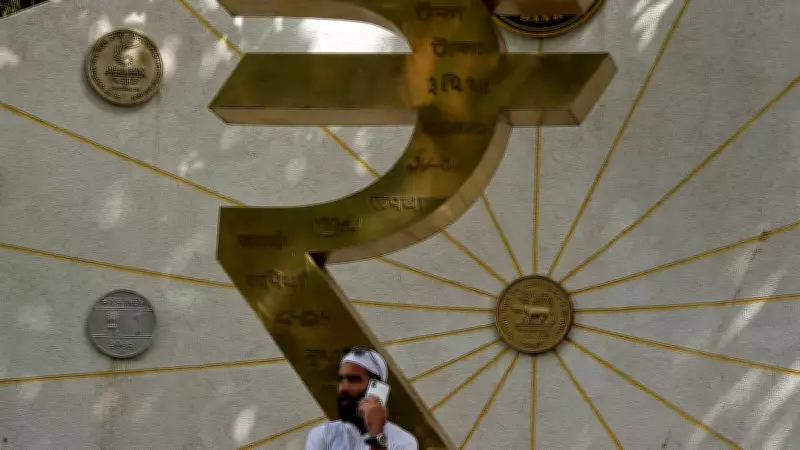
Rupee Closes Lower at 91.70 Against US Dollar Amid Geopolitical Tensions
The Indian rupee ended the trading session on a weaker note, shedding 6 paise to settle at 91.70 against the US dollar. This decline occurred within a range-bound market environment, primarily driven by heightened geopolitical uncertainties stemming from the ongoing crisis in West Asia.
Key Factors Driving the Rupee's Depreciation
Forex experts have identified multiple pressures contributing to the rupee's downward movement. Heavy selling in domestic equities played a significant role, as investor sentiment turned cautious amid global instability. Additionally, withdrawal of foreign funds from Indian markets further exacerbated the currency's weakness, reflecting broader risk aversion among international investors.
The trade was characterized by limited volatility, with the rupee fluctuating within a narrow band throughout the day. This range-bound activity suggests that market participants are closely monitoring developments in West Asia, which could have far-reaching implications for global oil prices and economic stability.

Market Implications and Outlook
The rupee's performance highlights the interconnectedness of global events and local financial markets. As tensions in West Asia persist, currency traders are likely to remain vigilant, adjusting their positions based on incoming news and data. The combination of domestic equity outflows and foreign fund withdrawals underscores the challenges faced by emerging market currencies in times of geopolitical stress.
Looking ahead, analysts will be watching for any resolution or escalation in the West Asia situation, as well as domestic economic indicators, to gauge the rupee's future trajectory. For now, the currency's modest decline reflects a cautious stance among investors, balancing risks against potential opportunities in a volatile global landscape.