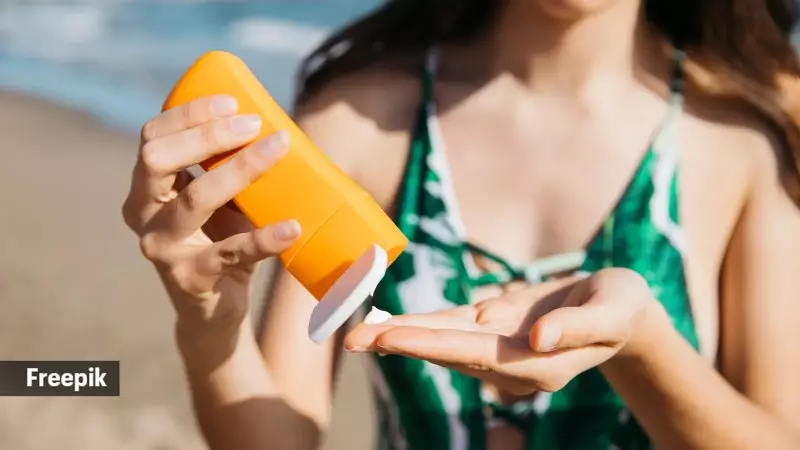
In the world of skincare, sunscreen has become a non-negotiable staple, especially in sun-drenched countries like India. With numerous theories swirling around SPF (Sun Protection Factor), many consumers find themselves confused, often misled into believing that a higher SPF number automatically translates to superior protection. However, the reality might be more nuanced than the numbers suggest.
The SPF Numbers Game: What Do They Really Mean?
Content creator Shashank Alshi recently took to Instagram to shed light on this topic, stating that SPF 30 blocks approximately 97% of the sun's harmful rays, while SPF 50 blocks around 98%. Interestingly, he noted that sunscreens with SPF 60 or higher also block about 98%, leading to his assertion that "You don't really need more than 50 SPF." This claim has sparked discussions among skincare enthusiasts and professionals alike.
Expert Insights: Dermatologists Weigh In
Dr. Shweta Mishra, a facial cosmetic and aesthetic surgeon at Sharva Clinic in New Delhi, emphasizes the critical role of sun protection in maintaining healthy, youthful skin. She explains that SPF measures the duration one can stay in the sun without experiencing sunburn. According to Dr. Mishra, "a higher SPF provides more extended protection" against UV rays, which are primary culprits behind premature ageing, pigmentation, and skin cancers.

To illustrate, if your skin typically burns after 10 minutes of sun exposure, an SPF 30 sunscreen would theoretically allow you to stay protected for 30 times longer. However, Dr. Rinky Kapoor, a consultant dermatologist at The Esthetic Clinics in Mumbai, cautions against the "common misconception that a higher SPF always means better protection." She highlights that SPF 50 sunscreens are often recommended by dermatologists due to their balanced benefits, providing adequate protection without the need for excessively high SPF levels like 60 or 70.
Key Considerations for Effective Sun Protection
Both experts agree on several crucial points for maximizing sunscreen efficacy:
- No Sunscreen Blocks 100% of UV Rays: It's essential to understand that even the highest SPF cannot offer complete protection. Dr. Mishra advises reapplication every 2-3 hours, coupled with additional measures such as wearing hats and sunglasses.
- Proper Application is Paramount: Dr. Kapoor stresses the importance of applying a generous layer to the face, hands, neck, and back of the ears. Skipping sunscreen on cloudy days or indoors is a mistake, as UV rays can penetrate windows.
- Consult a Dermatologist: For those new to sunscreen use, Dr. Kapoor recommends seeking professional advice to find an optimal product with SPF 30 or more that suits individual skin types and conditions.
Beyond the SPF Label: Practical Tips for Indian Consumers
While a higher SPF does offer more protection, it does not grant indefinite sun exposure. Dr. Mishra warns against staying in the sun for prolonged periods, even with high SPF, and suggests avoiding peak hours from 10 AM to 4 PM. The key takeaway is that SPF 50 strikes a practical balance for most people in India, offering robust protection without the unnecessary bulk or cost of ultra-high SPF products.
In conclusion, debunking sunscreen myths requires a focus on facts over numbers. By understanding SPF ratings, prioritizing proper application, and incorporating additional protective habits, individuals can safeguard their skin effectively. Remember, consistency and diligence in sun care routines are far more impactful than chasing the highest SPF number on the market.