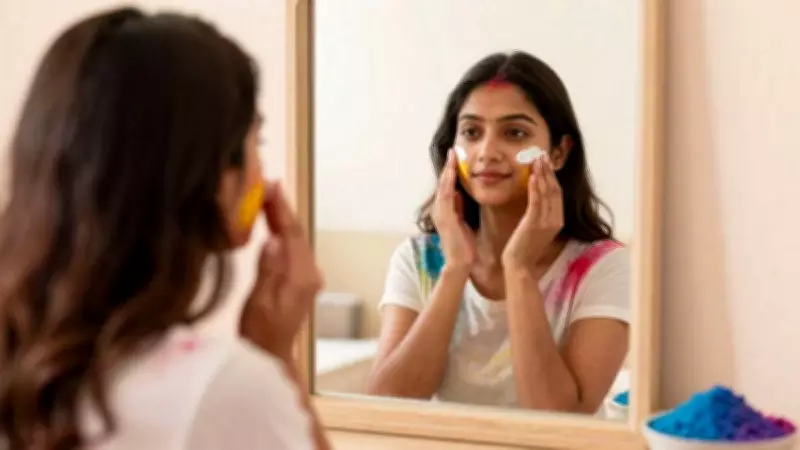
Essential Pre-Holi Skincare Guide: Dermatologist-Approved Tips to Safeguard Your Skin
As the vibrant festival of Holi approaches, excitement fills the air, but so do concerns about the potential damage from synthetic colors. Dermatologists emphasize that proactive skincare is crucial to prevent skin irritation, dryness, and allergic reactions. This comprehensive guide provides expert-backed strategies to ensure your skin remains healthy and radiant throughout the celebrations.
Pre-Holi Skincare Routine: Building a Protective Barrier
In the days leading up to Holi, it is essential to prepare your skin by strengthening its natural defenses. Dermatologists recommend starting with a gentle cleansing routine using a mild, pH-balanced cleanser to remove impurities without stripping moisture. Follow this with a hydrating moisturizer rich in ceramides or hyaluronic acid to lock in hydration and create a barrier against color penetration. Additionally, applying a broad-spectrum sunscreen with SPF 30 or higher is vital, as sun exposure can exacerbate skin sensitivity when combined with colors.
For enhanced protection, consider using natural oils like coconut or almond oil. These oils form a protective layer that makes it harder for colors to adhere to the skin, reducing the risk of staining and irritation. Massage a generous amount onto exposed areas such as the face, neck, arms, and legs at least 30 minutes before playing Holi. This step not only shields the skin but also nourishes it with essential fatty acids.

During Holi: Immediate Measures to Minimize Damage
While enjoying the festivities, take simple precautions to limit skin exposure to harsh colors. Wear full-sleeved clothing made from breathable fabrics like cotton to cover as much skin as possible. Apply a thick layer of petroleum jelly or a silicone-based barrier cream on sensitive areas like the lips, ears, and under the nails to prevent color seepage. If colors come into contact with your skin, avoid rubbing them vigorously, as this can cause abrasions. Instead, gently blot with a damp cloth and rinse with lukewarm water as soon as possible.
Dermatologists also advise staying hydrated by drinking plenty of water, as well-hydrated skin is more resilient. Avoid using harsh soaps or scrubs during the festival, as they can strip the skin's natural oils and increase susceptibility to irritation. If you experience any itching or redness, apply a cool compress and refrain from scratching to prevent further damage.
Post-Holi Skincare: Effective Removal and Recovery
After the celebrations, proper color removal is key to restoring skin health. Start by soaking in lukewarm water to loosen the colors, then use a gentle, oil-based cleanser to dissolve pigments without harsh rubbing. Follow up with a soothing aloe vera gel or calamine lotion to calm any inflammation or redness. For stubborn stains, create a paste of besan (gram flour) and milk or yogurt, which acts as a natural exfoliant to lift color gently.
In the following days, focus on replenishing moisture with hydrating masks or serums containing ingredients like vitamin E or niacinamide. Avoid using strong chemical peels or retinoids immediately after Holi, as the skin may be more sensitive. Instead, opt for a mild exfoliation after 48 hours to remove any residual color and promote cell renewal. If skin issues persist, consult a dermatologist for personalized advice.
Natural Remedies and Additional Precautions
Incorporate natural remedies into your skincare routine for added benefits. For instance, applying a mixture of sandalwood powder and rose water before Holi can soothe the skin and reduce inflammation. After the festival, a mask of mashed papaya or cucumber can help brighten the skin and remove toxins. Additionally, ensure you use only herbal or organic colors during Holi, as they are less likely to contain harmful chemicals like heavy metals or industrial dyes.
For those with sensitive skin or conditions like eczema, it is advisable to perform a patch test with colors beforehand and avoid prolonged exposure. Children and elderly individuals should take extra care, as their skin is often more delicate. By following these dermatologist-recommended tips, you can enjoy Holi to the fullest while keeping your skin protected, healthy, and glowing.