Winter dryness doesn't announce its arrival with a sudden strike. It is a slow, creeping process that gradually takes over your skin. One week, your arms might feel perfectly fine, and the very next, your legs could appear dusty and parched despite generous applications of lotion. The warmth of a shower offers temporary relief, but the familiar tightness returns almost as soon as you step out. By this stage, simply using a moisturiser often proves ineffective because a layer of dead skin cells has already accumulated, acting as a barrier that blocks any product you apply on top.
Why a Gentle Scrub is Essential for Winter Skin
The combination of cold outdoor air and dry indoor heating constantly strips moisture from your skin. Compounding this issue, your skin's natural renewal process slows down during the colder months. This leads to dead cells clinging to the surface, creating that familiar flaky and uneven texture. When you apply cream over this layer, it merely sits on top without penetrating. A mild, hydrating scrub is crucial because it gently removes this barrier, allowing moisture to finally sink in and nourish the skin beneath. When performed correctly, exfoliation can soothe and calm winter skin rather than aggravating it.
Ingredients for Your DIY Winter Body Scrub
Creating your own scrub at home allows you to control the texture and skip potential irritants. You will need a few simple, nourishing ingredients:

- Sugar (white or light brown): It is preferable to salt in winter as it feels softer and dissolves slightly when wet, providing a gentler exfoliation.
- A nourishing oil: Options like coconut oil, almond oil, or olive oil protect the skin's barrier during the scrubbing process.
- Honey: This natural humectant helps your skin retain moisture, preventing that post-scrub tight feeling.
- Finely ground oats (optional): This is an excellent addition for particularly dry or itchy skin, as oats have known soothing properties.
Step-by-Step Recipe and How to Use It Correctly
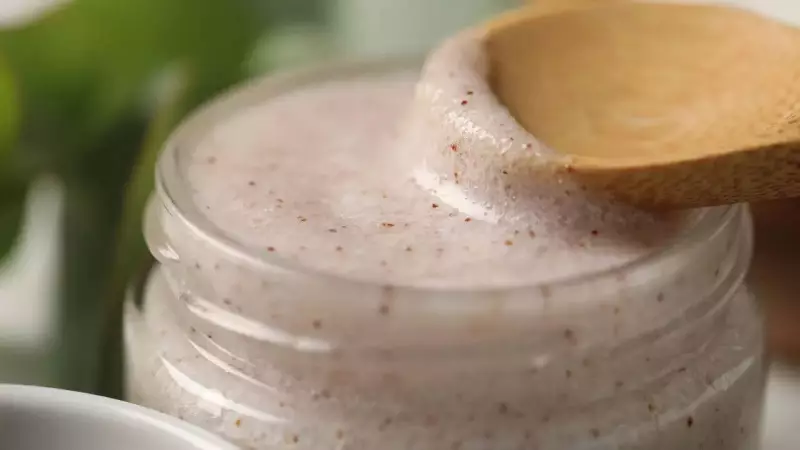
To make the scrub: Start by placing half a cup of sugar into a clean bowl. Add two tablespoons of your chosen oil and mix slowly. Continue adding oil a little at a time until the mixture resembles damp sand. Next, mix in one to two teaspoons of honey. For extra dry or sensitive skin, stir in one tablespoon of finely ground oats. The final consistency should be soft, rich, and easy to spread. Remember, in winter, a slightly oily scrub is better than one that is dry and crumbly.
To use it without irritation: Always apply the scrub on damp skin, preferably after a warm shower which softens the skin. Take a small amount and massage it lightly using no pressure. If your skin turns red, you are scrubbing too hard. Focus on typically rough areas like elbows, knees, and legs. Rinse with lukewarm water and pat your skin dry; do not rub.
The most critical step comes immediately after: apply your regular moisturiser while your skin is still slightly damp. This locks in the hydration from the scrub and the water. Skipping this step is a common reason why people feel scrubs "don't work" for them.
Frequency and Common Mistakes to Avoid
For most skin types, exfoliating once a week during winter is sufficient. If your skin tolerates it well, you can increase it to twice a week. Exfoliating more frequently than this typically leads to irritation and increased dryness.
Be mindful of these common mistakes that can undo the benefits of your winter skincare routine:
- Using harsh salt instead of gentle sugar.
- Scrubbing the skin with too much pressure.
- Exfoliating every other day.
- Using very hot water for rinsing.
- Forgetting to apply moisturiser immediately afterwards.
Making an effective hydrating body scrub for winter need not be complicated. The principles are simple: use gentle ingredients, apply with a light touch, and follow up with moisture. With patience and this routine, your skin can feel softer, less itchy, and significantly more comfortable—which is the ultimate goal of all winter skin care.

Disclaimer: This information is intended for general knowledge and is not a substitute for professional medical or dermatological advice. Always consult a certified professional for personalised recommendations.