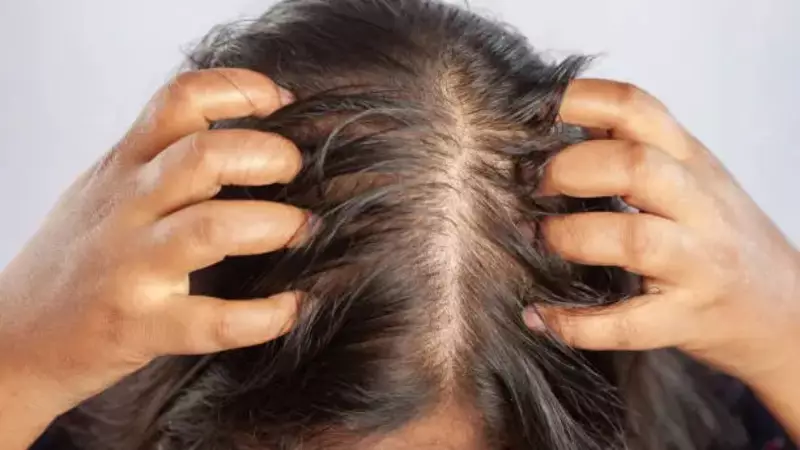
Are you struggling with unexplained hair loss despite trying various treatments and products? The culprit might be hiding in your daily diet, particularly in the sweet treats and sugary beverages you consume regularly. Recent insights from health experts reveal a surprising connection between sugar consumption and hair health that many people overlook.
The Science Behind Sugar and Hair Loss
When you consume excessive amounts of sugar, your body experiences several physiological changes that can directly impact hair growth and retention. The primary mechanism involves insulin resistance, which occurs when your cells become less responsive to insulin. This condition forces your body to produce more insulin to manage blood sugar levels, creating a cascade of effects that ultimately damage hair follicles.
High insulin levels in the bloodstream can trigger the production of androgens, or male hormones, which are known to shrink hair follicles and shorten the hair growth cycle. This process is particularly significant for women experiencing pattern hair loss, as insulin resistance can exacerbate hormonal imbalances that affect hair health.

Inflammation: The Silent Hair Killer
Another critical way sugar damages your hair is through chronic inflammation. Excessive sugar consumption promotes inflammation throughout the body, including the scalp. This inflammatory response can damage hair follicles and disrupt the normal hair growth cycle, leading to increased shedding and thinner hair over time.
Furthermore, sugar molecules attach themselves to proteins in a process called glycation. When this occurs to collagen and elastin—proteins essential for healthy hair structure and scalp health—it creates advanced glycation end products (AGEs). These AGEs make hair more brittle, weak, and prone to breakage, compounding hair loss problems.
Nutritional Deficiencies and Hair Health
High sugar diets often replace nutrient-dense foods that are essential for healthy hair growth. When you fill up on empty calories from sugary foods, you might be missing out on crucial vitamins and minerals like zinc, iron, biotin, and vitamin E that support strong, vibrant hair.
The body also requires additional nutrients to process sugar, which can deplete your reserves of B vitamins and other micronutrients necessary for maintaining healthy hair. This nutritional robbery creates a double whammy effect: you're both consuming harmful substances and depriving your hair of essential building blocks.
Practical Steps to Protect Your Hair
Fortunately, addressing sugar-related hair loss is within your control. Start by reducing your intake of processed sugars found in sweets, sodas, and packaged foods. Focus on whole foods that provide sustained energy without the blood sugar spikes that damage hair follicles.
Incorporate hair-friendly nutrients into your diet, including protein-rich foods, healthy fats, and antioxidant-packed fruits and vegetables. Staying hydrated and managing stress levels can also help mitigate the effects of sugar on your hair health.
If you're experiencing significant hair loss, consider consulting with a healthcare professional who can help identify whether insulin resistance or other sugar-related issues might be contributing to your condition. Simple blood tests can reveal important information about your metabolic health and guide appropriate interventions.
Remember that hair growth cycles are slow, and improvements may take several months to become visible. Consistency in maintaining a balanced diet and healthy lifestyle is key to reversing sugar-related hair damage and promoting long-term hair health.