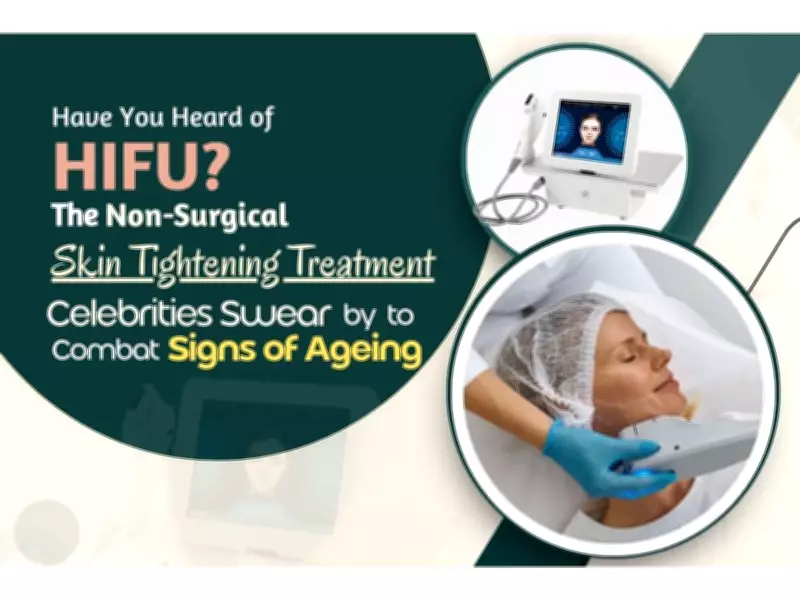
High-Intensity Focused Ultrasound (HIFU) has emerged as a leading non-invasive anti-ageing treatment, gaining widespread popularity among celebrities and beauty enthusiasts for its skin tightening, facial transformation, and collagen-boosting effects. Unlike surgical facelifts, HIFU requires no cuts, needles, or downtime, making it an attractive option for those seeking natural-looking results.
What is HIFU and How Does It Work?
HIFU delivers focused ultrasound energy into the deep layers of the skin, targeting the deep dermis and the superficial musculoaponeurotic system (SMAS), the foundational layer of the skin. This energy creates controlled microthermal lesions that stimulate the body's natural healing response, leading to increased production of collagen and elastin—two essential proteins for firm, youthful skin. The process is gradual, with results improving over several weeks as new collagen forms.
Dr. Vineeta Pathak, Chief Aesthetician at Dr. Haror's Wellness, New Delhi, explains: "HIFU works by delivering focused ultrasound energy targeting the deep dermis and superficial musculoaponeurotic system (SMAS), the foundation layer of the skin. These waves create controlled microthermal lesions in the deeper layers of the skin without damaging the surface or surrounding tissues. It triggers the body's natural healing response. As the skin heals, it starts producing more collagen and elastin—two important proteins that keep our skin firm, tight, and youthful."

Who Can Benefit from HIFU Skin Tightening?
HIFU is ideal for individuals in their 30s to 50s who are beginning to experience signs of ageing such as fine lines, wrinkles, sagging skin, and loss of firmness. It is particularly suitable for those who prefer non-surgical procedures and are anxious about needles or cuts. The treatment effectively lifts and tightens areas like the face, jawline, neck, and double chin, improving skin tone and texture over time.
According to Dr. Vineeta: "HIFU is an ideal anti-ageing solution for those who are at the onset of ageing and begin to experience fine lines, wrinkles, sagging skin, and loss of firmness. This procedure is particularly beneficial for those who desire firm and youthful skin but get anxious or nervous with needles or cuts, and are looking for non-surgical anti-ageing procedures to lift and tighten areas like the face, jawline, neck, or double chin."
Results Timeline and Longevity
HIFU does not provide instant results; patience is key. Dr. Navnit Haror, a gold medalist dermatologist and founder of Dr. Haror's Wellness, New Delhi, notes: "HIFU is not an overnight transformation. Unlike other anti-ageing treatments like Botox and fillers, which deliver immediate results, HIFU takes time to show visible results as collagen production takes time. One can see the visible results of HIFU treatment after 6-8 weeks, which keep improving over 3-4 months as collagen production increases." The results typically last between 12 and 18 months, depending on age, skin condition, and lifestyle factors.
Cost of HIFU Treatment
The cost of HIFU treatment varies based on the number of shots required, which is determined after a detailed skin assessment. In Delhi, the per-shot cost ranges from ₹150 to ₹200 or more. For example, a jawline treatment may require 200-300 shots, costing between ₹30,000 and ₹60,000. A full-face treatment may need 500-600 shots, with total costs ranging from ₹75,000 to ₹120,000. Dr. Vineeta emphasizes that patients should ensure the treatment is performed using an authentic HIFU device by a qualified and experienced dermatologist for safe and effective results.
FAQs
Q. Is HIFU treatment painful?
Most people report that HIFU is not painful, only mild tingling, warmth, or slight discomfort during the procedure.
Q. How long does it take to see results after HIFU treatment?
Most people start noticing visible improvements within 2 to 3 months as new collagen forms. Results continue to improve over the following months.
Q. How long do HIFU results last?
HIFU results typically last between 12 and 18 months, depending on age, skin condition, and lifestyle factors.

Disclaimer: This article is intended for general informational purposes only. Please consult a respected healthcare professional for personalized medical advice or treatment.