Hair Loss Warning Signs: How to Spot Balding Early and Effective Remedies to Start
Hair loss is a widespread concern affecting both men and women globally. Early detection provides the optimal opportunity to decelerate the progression or avert additional thinning. Balding does not manifest abruptly; it initiates subtly and intensifies progressively over time. Consequently, recognizing the initial indicators enables timely intervention, significantly enhancing treatment efficacy before substantial hair loss transpires.
Early Indicators of Balding: What to Monitor
Vigilance for these early signs can facilitate prompt action:
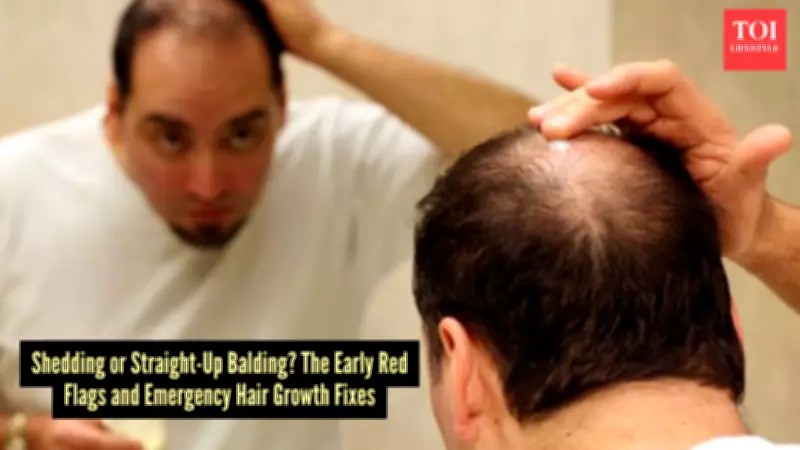
- Thinning at the Crown: Observe if the crown area appears broader than previously, with increased scalp visibility. This is a primary signal of commencing balding.
- Receding Hairline: Typically initiating near the temples, a receding hairline advances to the frontal region and behind the ears, areas often associated with fine baby hair.
- Excessive Hair Shedding: Discovering abundant hair strands on your pillow or hairbrush surpasses normal shedding and necessitates attention as a balding symptom.
- Diminished Hair Density: Noticing a thinner ponytail or enhanced scalp visibility under bright illumination indicates reduced hair density, a clear balding sign.
Comprehending the Underlying Causes
Multiple factors contribute to hair loss, necessitating understanding for effective management:

- Genetic Predisposition (Alopecia): Hereditary hair loss, or alopecia, is prevalent in both genders, often dictating pattern and progression.
- Hormonal Imbalances: Conditions like thyroid disorders and Polycystic Ovary Syndrome (PCOS) induce hormonal fluctuations that can trigger balding, particularly in women.
- Lifestyle Factors: Chronic stress and inadequate sleep elevate cortisol levels, exacerbating hair shedding. Nutrient deficiencies, including insufficient vitamin D, iron, or protein, also heighten balding risk.
Immediate Remedies to Initiate
Implement these practical strategies to combat early hair loss:
Adopt a Gentle Hair Care Regimen: Eschew tight hairstyles, excessive heat styling, and aggressive brushing. Utilize sulphate-free shampoos and conditioners to minimize scalp irritation and hair damage.
Embrace a Nutrient-Rich Diet: Incorporate proteins from eggs and lean meats, iron from spinach and legumes, biotin and zinc from nuts and seeds, and omega-3 fatty acids from flaxseeds and salmon to fortify hair follicles.
Prioritize Sleep and Stress Management: Engage in meditation, regular exercise, and ensure quality sleep to reduce cortisol, a key contributor to hair loss.
Incorporate Scalp Massage: Daily scalp massage enhances blood circulation and stimulates hair follicles. Amplify benefits using natural oils like rosemary or coconut oil for added nourishment.
Concluding Recommendations
Before commencing any supplements or dietary changes, consult a healthcare professional for personalized guidance. Early-stage balding does not signify an irreversible condition; proactive and consistent measures can substantially improve hair health and retention. Initiating interventions early and adhering diligently offers the best prospect for maintaining robust, vibrant hair.