Hair bleaching has become a popular trend for those looking to lighten their locks or achieve vibrant fashion colors. However, the process involves harsh chemicals like hydrogen peroxide, which can cause significant damage if not used correctly. Understanding the risks and adopting safe practices is essential for maintaining hair health.
How Bleaching Damages Hair
Bleaching works by opening the hair cuticle and dissolving natural pigment. Hydrogen peroxide, a common bleaching agent, penetrates the hair shaft and breaks down melanin. This process can strip hair of moisture and protein, leading to dryness, brittleness, and split ends. Over-bleaching or improper application can result in severe breakage and even hair loss.
Signs of Peroxide Damage
- Dry and frizzy texture
- Increased porosity (hair absorbs water quickly but dries slowly)
- Elasticity loss (hair stretches and breaks easily)
- Dull appearance and lack of shine
- Tangled and difficult to manage
Safe Coloring Practices
To minimize damage, consider the following tips:

Choose Professional Services
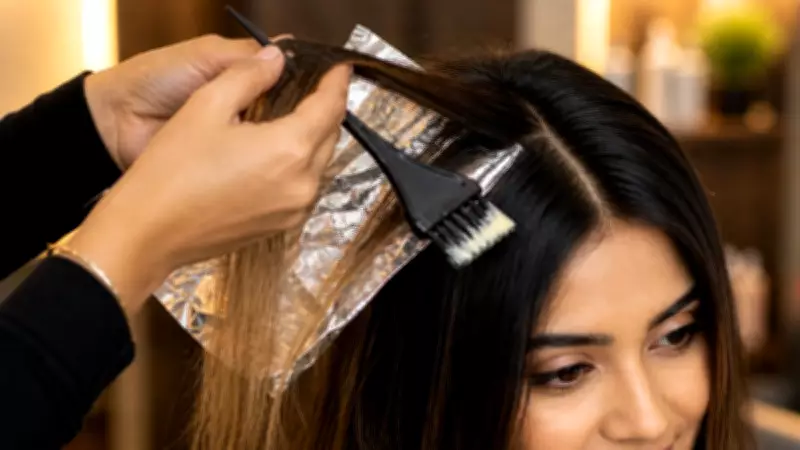
Professional hairstylists are trained to assess hair condition and apply bleach correctly. They use high-quality products and techniques to reduce harm. DIY bleaching often leads to uneven results and excessive damage.
Strengthen Hair Before Bleaching
In the weeks leading up to bleaching, use protein treatments and deep conditioners to fortify hair. Avoid other chemical processes like perming or relaxing simultaneously.
Limit Bleaching Sessions
Space out bleaching appointments by at least 4-6 weeks. Overlapping bleach on previously lightened hair increases risk. For drastic color changes, consider gradual lightening over multiple sessions.
Use Bond Repair Products
Products containing bond-building ingredients like Olaplex or K18 can help repair disulfide bonds broken during bleaching. Incorporate these into your routine before and after coloring.
Post-Bleach Care
After bleaching, switch to sulfate-free shampoos and conditioners designed for color-treated hair. Use leave-in conditioners and hair oils to restore moisture. Avoid heat styling as much as possible, and always use heat protectant when necessary.
Alternatives to Traditional Bleaching
If you're concerned about damage, explore gentler options:
- High-lift hair color: Uses lower peroxide levels to lighten hair by 2-3 shades.
- Balayage or highlights: Only lightens specific sections, reducing overall exposure.
- Natural lighteners: Lemon juice or chamomile tea can subtly lighten hair over time with less damage.
When to See a Doctor
If you experience scalp irritation, burns, or excessive hair loss after bleaching, consult a dermatologist. Allergic reactions to bleach can occur, causing redness, swelling, or blisters.
By understanding the risks and following safe practices, you can enjoy beautiful bleached hair without compromising its health. Always prioritize hair care over quick results.