

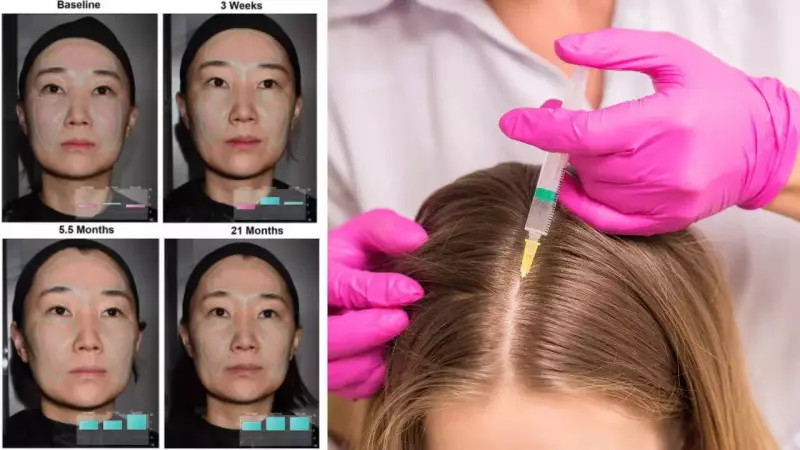
Regenerative medicine is reshaping the landscape of aesthetic and dermatological care in India, moving far beyond mere surface-level fixes. One of the most talked-about advancements capturing the interest of both scientists and clinicians is exosome therapy. This approach is gaining traction for its potential to harness the body's own natural repair mechanisms to address common concerns like skin ageing, pigmentation issues, and hair thinning.
What is Exosome Therapy and How Does It Function?
At its core, exosome therapy is a sophisticated form of cellular communication. Exosomes are tiny extracellular vesicles released by cells. They act as biological messengers, carrying crucial proteins, lipids, and nucleic acids that can instruct and alter recipient cells. In a therapeutic context, these exosomes are typically derived from regenerative cells cultured in a lab. After careful processing, they are administered to patients, usually through topical application or localised injections in a clinical setting.
This isn't a temporary cosmetic cover-up. Research, including studies cited in reports like Regenerative Skin Remodelling through Exosome-Based Therapy and Exosomes and Hair Regeneration, indicates that exosomes can induce sustained biological improvements. They work by guiding the behaviour of skin and hair tissues, promoting long-term changes in quality and growth over extended observation periods.

Transforming Skin Health and Accelerating Recovery
Exosome therapy represents a significant technological leap in dermatology and aesthetics. Its primary promise lies in supporting the skin's intrinsic repair processes. By targeting the cellular environment, exosomes deliver signals to key skin cells—like fibroblasts, keratinocytes, and melanocytes—that are responsible for repair and regeneration.
This mechanism allows the therapy to improve skin from within, especially when cells are under stress from injury, ageing, or inflammation. Consequently, it is being explored for use in post-procedure recovery after aesthetic treatments and for managing chronic skin conditions marked by poor healing.
Reported benefits for skin include:
- Smoother overall texture due to boosted collagen and elastin activity.
- Reduction in chronic redness by helping regulate inflammatory signals.
- Refined pore appearance as tissue organisation improves.
- Moderation of hyperpigmentation through regulated melanocyte activity.
- Enhanced recovery of the skin barrier following cosmetic procedures.
It is crucial to note that these effects are cumulative and develop gradually, aligning with the body's natural skin renewal cycles rather than offering an instant transformation.
A New Hope for Hair Growth and Scalp Vitality
Hair loss and thinning, prevalent concerns across India, involve complex signalling between hair follicle cells. Exosome therapy is now being investigated for its ability to positively influence this follicular microenvironment. By delivering growth-related signals directly to the scalp tissue via local administration, exosomes aim to support healthier hair cycling and revitalise dormant follicles.
This positions them as a supportive treatment that can work alongside established hair loss therapies, not a replacement. Clinical observations linked to exosome therapy for hair health suggest:
- Increased hair shaft thickness, indicating better follicle function.
- Decrease in excessive daily hair shedding.
- Improved overall scalp condition by modulating inflammation.
- Support for hair density in follicles that retain regenerative potential.
- Potential for improved response to other complementary treatments.
The outcomes, however, depend significantly on factors like the source of exosomes, the method of delivery, and the underlying cause of hair loss.

Understanding Variable Results and Safety Protocols
Responses to exosome therapy can vary widely from person to person. This variability mirrors the complexity of human biology, influenced by age, genetics, hormonal balance, metabolic health, and environmental exposure. For instance, skin issues driven by inflammation may respond differently than those stemming from age-related collagen loss. Similarly, early-stage hair follicle miniaturisation might see different results compared to long-term follicular inactivity.
This underscores the importance of a personalised medical assessment and realistic expectation setting. Exosome therapy is about fostering gradual, biological regeneration, not instant cosmetic enhancement.
On the safety front, exosome therapy is generally considered low-risk when products are sourced from reputable suppliers and administered by experienced practitioners. Being acellular, exosomes avoid certain risks associated with live cell therapies. However, stringent quality control is paramount.
Key safety and regulatory considerations include:
- The critical need for standardised sourcing and manufacturing processes.
- Requirement for practitioner expertise in application techniques.
- A low incidence of adverse reactions when proper protocols are followed.
- Ongoing clinical research to assess long-term efficacy and safety.
- Evolving regulatory oversight, which affects clinical availability across different regions.
In summary, within the realm of regenerative aesthetics, exosome therapy stands as a promising, evidence-based investigative frontier. It is not a miracle cure but represents a significant component of a broader, biologically-inspired strategy for managing skin and hair health.





