

The Limitations of DIY Beauty Remedies: A Scientific Perspective
In recent years, DIY beauty remedies have gained immense popularity, with countless online tutorials and social media posts promoting homemade solutions for hair and skin issues. However, many of these do-it-yourself approaches fail to deliver the promised results, often leading to disappointment and even adverse effects. This article delves into the scientific reasons why DIY remedies frequently fall short and why clinical treatments are often more effective for achieving lasting beauty benefits.
Why DIY Remedies Often Don't Work
DIY beauty remedies, such as using natural ingredients like honey, lemon, or coconut oil, are appealing due to their perceived safety and cost-effectiveness. However, these home-based solutions lack the precision and potency required to address complex hair and skin concerns. For instance, while coconut oil might provide temporary moisture, it cannot penetrate deeply enough to repair damaged hair follicles or treat conditions like alopecia. Similarly, lemon juice, often touted for skin brightening, can cause irritation or photosensitivity due to its acidic nature, without offering the controlled exfoliation of clinical peels.
Moreover, DIY remedies are typically based on anecdotal evidence rather than rigorous scientific research. They fail to account for individual variations in skin type, hair texture, and underlying health issues. Without professional assessment, these one-size-fits-all approaches can exacerbate problems, such as clogging pores with heavy oils or triggering allergic reactions. The lack of standardized formulations and quality control further diminishes their efficacy, making them unreliable for serious beauty goals.

The Advantages of Clinical Hair and Skin Treatments
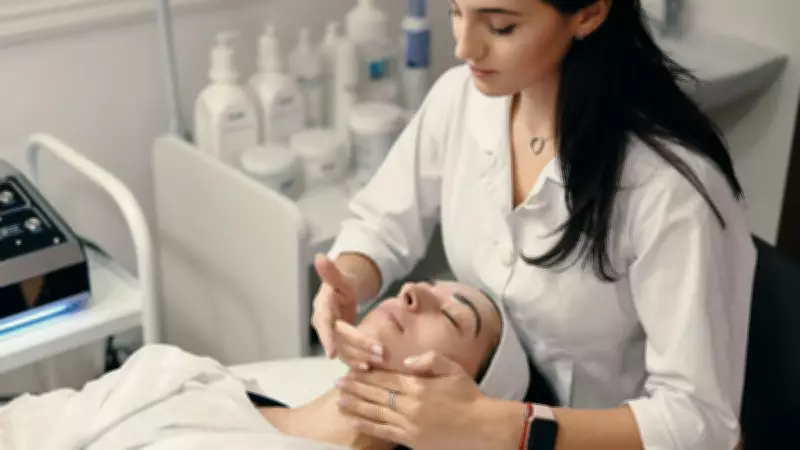
Clinical treatments, offered by dermatologists and licensed aestheticians, are grounded in scientific research and tailored to individual needs. Procedures like laser therapy, chemical peels, and microneedling are designed to target specific layers of the skin or hair, providing measurable and long-lasting results. For example, clinical hair treatments can stimulate follicle growth with advanced technologies like PRP (Platelet-Rich Plasma) therapy, which DIY methods cannot replicate. Similarly, professional skin treatments use medical-grade ingredients and equipment to address issues like acne, aging, or hyperpigmentation with precision and safety.
These treatments are backed by clinical trials and regulatory approvals, ensuring they meet safety standards and deliver consistent outcomes. Experts can also monitor progress and adjust protocols based on response, minimizing risks and maximizing benefits. In contrast, DIY remedies often rely on guesswork, leading to inconsistent results and potential harm, such as chemical burns from improper ingredient mixing or infections from unsterilized tools.
Key Factors Where DIY Falls Short
- Lack of Penetration: DIY ingredients often cannot penetrate the skin or hair deeply enough to effect real change, unlike clinical treatments that use advanced delivery systems.
- Inconsistent Formulations: Homemade remedies vary in concentration and purity, leading to unpredictable results, while clinical products are standardized for reliability.
- No Professional Diagnosis: DIY approaches skip crucial steps like professional assessment, which can misidentify issues and delay proper treatment.
- Risk of Side Effects: Without expert guidance, DIY remedies can cause irritation, allergies, or long-term damage, whereas clinical treatments are administered under supervision.
Balancing DIY and Clinical Approaches
While DIY remedies can be useful for minor maintenance, such as basic moisturizing or gentle cleansing, they are not a substitute for clinical interventions for significant concerns. Experts recommend using DIY methods as complementary practices, under professional advice, rather than primary solutions. For instance, following a clinical treatment with a recommended at-home care routine can enhance results, but relying solely on DIY for conditions like hair loss or severe acne is often ineffective.

In conclusion, the allure of DIY beauty remedies is understandable, but their limitations highlight the importance of clinical treatments for achieving optimal hair and skin health. By understanding the science behind these approaches, individuals can make informed decisions, prioritizing safety and efficacy over convenience. As the beauty industry evolves, integrating evidence-based practices with professional guidance remains key to successful outcomes.





