

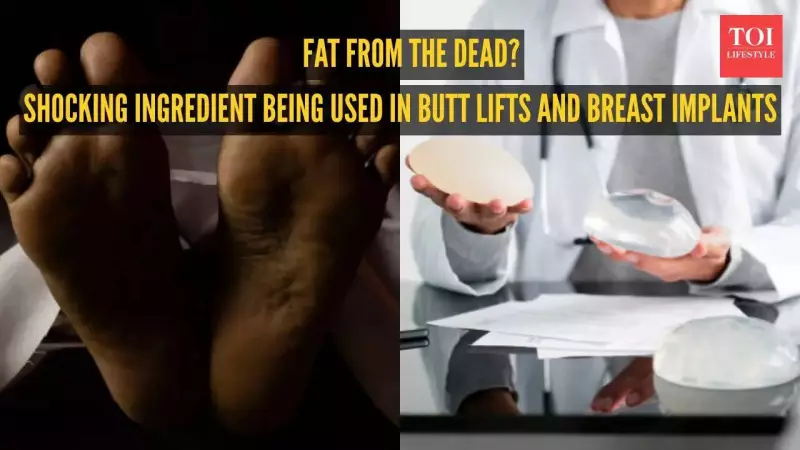
In the relentless pursuit of youth and beauty, the world of cosmetic enhancements is constantly evolving, pushing boundaries that often venture into controversial territory. While Botox, fillers, and surgical implants have become mainstream, a new and startling trend is emerging from the United States, one that involves a key ingredient sourced from the deceased. This procedure, known as AlloClae, is raising profound medical, ethical, and spiritual questions globally.
What Exactly is AlloClae?
Introduced to the American market in 2024, AlloClae is a sterile, injectable cosmetic filler with a unique origin. It is manufactured using purified human fat harvested from cadaver donors. The fat undergoes an extensive, multi-step purification process designed to remove all DNA, cellular debris, and any components that could potentially trigger an immune response in the recipient.
The final product is intended to integrate with the patient's own tissues and stimulate natural collagen growth. Its primary use is to restore or add volume to areas like the buttocks, breasts, and hips—places where fat naturally accumulates. This offers an alternative to traditional methods that rely on liposuction to extract a patient's own fat for transfer, a process not always feasible for individuals with low body fat.

Why Are People and Surgeons Opting For It?
The demand for such donor-derived fat fillers is reportedly driven by two key factors: the rising use of weight-loss medications that reduce available body fat, and a growing preference for minimally invasive cosmetic fixes. For some patients, it presents a solution when their own body cannot supply enough material for desired procedures like a Brazilian Butt Lift (BBL).
Dr. Stephen T. Greenberg, a New York plastic surgeon, explained in a video, "This is great for somebody who doesn’t want to use their own fat or doesn't have enough of their own fat." Another surgeon, Dr. Sachin M. Shridharani, told The Washington Post that while less than 5% of board-certified plastic surgeons currently offer it, demand is high. He noted performing over 50 procedures in a year and even facing shortages, stating, "multiple times we’ve actually run out of product."
The Regulatory Gray Area and Mounting Concerns
Despite its growing use, AlloClae operates in a regulatory gray zone. It is FDA-compliant but is classified as a human cell and tissue product. This classification allows it to be marketed without undergoing the full, rigorous approval process typically required for drugs or medical devices. Proponents and some doctors highlight that it is biocompatible.
However, the very concept of injecting a substance derived from a dead human body into a living person for cosmetic purposes is where the controversy intensifies. Beyond potential, albeit minimized, medical risks, the procedure sparks deep ethical debates about the commodification of human remains and the spiritual implications of such transfers.
This trend unfolds against a backdrop of massive global demand for cosmetic work. According to a 2023 report by the International Society of Aesthetic Plastic Surgery (ISAPS), a staggering 19.1 million non-surgical procedures were performed worldwide, predominantly among women. As techniques advance, the industry faces a critical question: how far is too far in the quest for aesthetic perfection? AlloClae represents the latest frontier in this challenging debate, forcing a conversation about the limits we are willing to cross for beauty.






