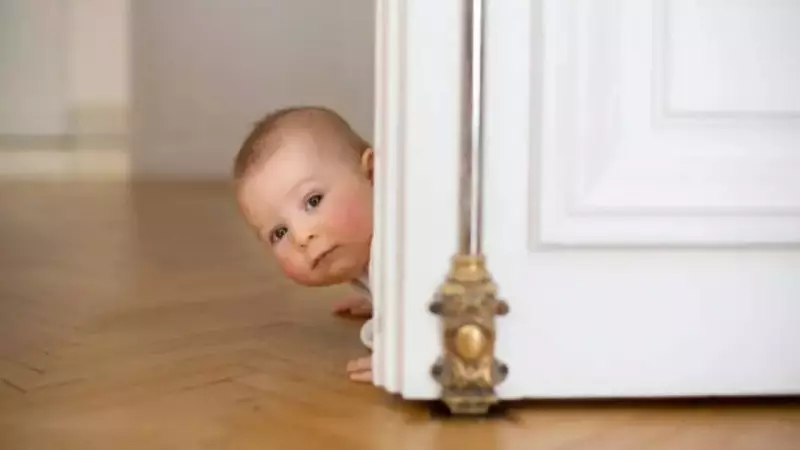
Bringing a baby home transforms everything about your living space. What once felt secure and familiar suddenly reveals hidden dangers as your little one starts moving around. Babyproofing does not aim for a perfectly hazard-free home. That goal remains impossible. Instead, it focuses on reducing preventable risks while allowing your child to explore safely. This room-by-room guide offers simple, practical advice for real family life in India.
Kitchen: The High-Risk Zone Demands Attention
Curious babies often gravitate toward kitchen objects that pose serious threats. You should install childproof locks on all lower cabinets and drawers. Pay special attention to those storing knives, cleaning supplies, and glassware. Use stove knob covers consistently. Always turn pot handles toward the back wall when cooking. Keep hot liquids, appliances, and electrical cords away from counter edges. A sturdy safety gate at the kitchen entrance proves invaluable during busy cooking times. Most importantly, never leave a baby alone in the kitchen even for a brief moment.
Living Room: The Primary Exploration Playground
The living room frequently serves as a baby's first playground. This makes thorough babyproofing especially critical. Secure all heavy furniture like televisions, bookshelves, and display units to the wall. This prevents dangerous tipping accidents. Fit cushioned guards onto sharp table edges and furniture corners, particularly at crawling height. Seal electrical outlets with reliable safety covers. Bundle or hide loose wires to eliminate tripping and chewing hazards. Remove small decorative items that babies could swallow. Keep remote controls, batteries, and breakable objects completely out of reach.

Bedroom: Crafting a Safe and Calm Sleep Environment
Whether it is your bedroom or the baby's nursery, this space should promote safety and tranquility. Ensure the crib meets current safety standards. Use a firm mattress without loose pillows, toys, or blankets. Anchor wardrobes and dressing tables to the wall to prevent tipping. Tie up curtain and blind cords so they remain inaccessible. Choose nightstands with rounded edges. Store all medicines, cosmetics, and small items in locked drawers or on high shelves away from curious hands.
Bathroom: Addressing Dangers in a Compact Space
Bathrooms rank among the most hazardous rooms due to water, slippery surfaces, and chemicals. Keep the toilet lid down using a secure toilet lock. Store all cleaning supplies and toiletries in cabinets with childproof latches. Place non-slip mats inside and around the bathtub to prevent falls. Set your water heater to a safe temperature to avoid scalding incidents. Never leave an infant unattended in or near water. Accidents can happen silently and swiftly in this environment.
Stairways and Hallways: Preventing Dangerous Falls
Falls represent some of the most common household accidents for babies and toddlers. Install robust safety gates at both the top and bottom of staircases. Check that railings are secure and lack wide gaps where a child could slip through. Keep hallways well-lit and free from clutter that might cause trips. Avoid leaving toys on stairs. Ensure carpets and rugs lie flat and are firmly fixed to the floor. Regularly inspect gates and locks because babies grow smarter and stronger much faster than we anticipate.
Babyproofing is an ongoing process that adapts as your child develops. Start with these fundamental steps to create a safer home environment. Your vigilance combined with these practical measures will help your little one explore their world with greater security.