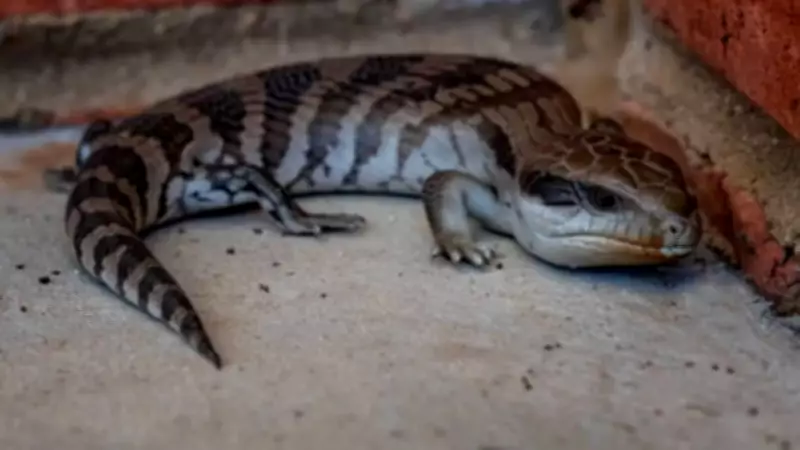
Understanding Skinks: Are They Dangerous?
Skinks are small reptiles that closely resemble snakes in both appearance and behavior. These creatures are commonly found in gardens, behind walls, and sometimes even inside homes. Their sudden appearance often raises concerns about potential danger. However, the truth is that most skinks are not venomous and generally avoid human contact. Their primary motivation for entering a house is the search for food, water, or cooler spaces. Understanding why skinks invade homes and how to prevent them is essential for peaceful coexistence. Below are five crucial points about skinks and natural methods to keep them out.
Are Skinks Dangerous to Humans?
Generally speaking, the vast majority of skinks are harmless to people. Unlike some snakes, they do not produce any venom that can harm humans. Skinks typically prefer to flee rather than fight when confronted. However, if they feel threatened, they may bite, but such bites are minor and pose no serious risk. In fact, skinks can be beneficial in some settings because they feed on insects and pests in gardens.
What Attracts Skinks to Your Home?
The presence of skinks indoors is usually driven by necessity rather than aggression. Skinks seek out warm, moist, and shady environments that are rich in insects. Kitchens, bathrooms, garages, and similar areas are particularly attractive. Cracks near doors, windows, and foundations also provide easy entry points. During extreme weather changes, such as heatwaves or heavy rainfall, skinks may enter homes looking for shelter.

Minimizing Insect Activity to Deter Skinks
One of the most effective ways to reduce skink presence is to control insect populations around your home. Skinks prey on ants, cockroaches, spiders, termites, and other insects. Leaving food crumbs, damp areas, and uncleaned garbage attracts both insects and skinks. Maintaining a clean and tidy home significantly reduces the likelihood of skinks taking up residence.
Sealing Entry Points Around the House
Cracks and gaps near doors, windows, pipes, and walls provide easy access for skinks. Installing door sweeps and using mesh screens on windows and vents can help block these entry points. Even small openings should be sealed with caulk or weather stripping to prevent skinks from slipping through.
Removing Clutter and Hiding Spots
Skinks are shy animals that need hiding places to feel secure. Piles of cardboard boxes, stacked wood, furniture, and other clutter offer ideal hiding spots both indoors and outdoors. By keeping your home and yard neat and organized, you make it harder for skinks to find suitable shelter, encouraging them to move elsewhere.
Disclaimer: This article is for general informational purposes only. The information shared here about skinks, their behavior, and home prevention methods is based on commonly observed reptile habits and household pest-control practices. Most skinks are harmless and non-venomous, but species and behavior may vary depending on region and environment. Readers are advised not to handle wild reptiles directly and to consult wildlife experts or professional pest-control services for persistent concerns or species identification.