Retired Air Force Officer's Powerful Response to Instagram Body-Shaming Goes Viral
In today's hyper-connected digital landscape, social media platforms present a complex paradox. While they offer unprecedented opportunities for connection and authentic storytelling, these same spaces frequently transform into virtual battlegrounds where anonymous users hide behind screens to deliver harsh judgments—particularly targeting women. The pervasive issue of body-shaming has reached alarming levels, with online trolls obsessively focusing on physical appearances rather than engaging with the substantive content being shared.
The Emotional Post That Sparked Unnecessary Criticism
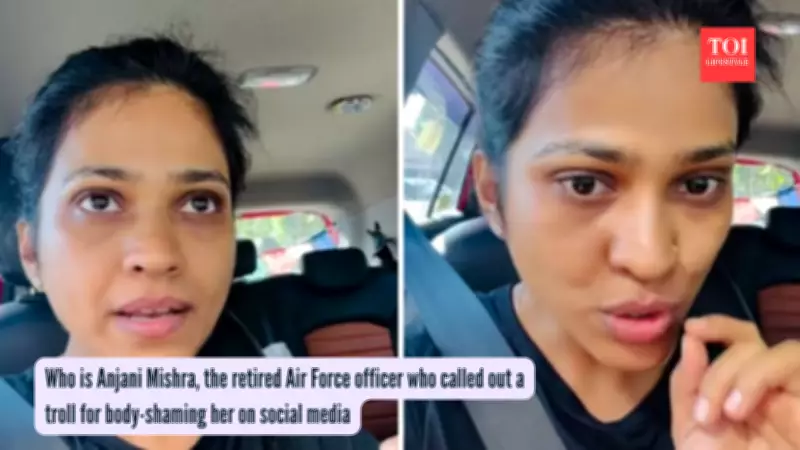
This troubling dynamic was recently highlighted through an incident involving retired Air Force officer Anjani Mishra, who also creates content on Instagram. Mishra shared a heartfelt post about family connections and personal struggle, specifically discussing the annual tradition of receiving homemade pickles from her mother. Despite wearing simple, everyday attire in the accompanying image, her vulnerable moment was derailed when a troll targeted her over a single open button on her clothing.
The criticism quickly escalated into derogatory remarks, prompting Mishra to respond with remarkable composure and strength. "I had to tell her that a person of my caliber, a retired air force officer, doesn't need to sell herself on Instagram to become popular. I do not seek cheap popularity," Mishra stated emphatically in a subsequent video that has since gone viral across social media platforms.

A Strategic and Empowering Response
Mishra's video opens with the powerful line: "In a world where women don't support each other, we have women teaching modesty." She detailed how she not only confronted the troll directly but also reported the account for "harassment and bullying" through Instagram's official channels. Following her assertive response, the troll eventually deleted the offensive comments and even began following Mishra's profile (@yourstruly_anjii).
In later statements, Mishra explained her decision to publicly share the incident was intentional—aimed at highlighting how frequently women face unnecessary judgment online, sometimes from other women who should theoretically be allies. Her approach has been widely praised as both strategic and empowering, demonstrating how to effectively combat online harassment while maintaining dignity.
Social Media Erupts in Support and Solidarity
The viral video triggered an overwhelming wave of support across multiple social media platforms, with users flooding Mishra's comments section with messages of solidarity while simultaneously calling out the toxic behavior that permeates online spaces.
Notable reactions included:
- "Anjali, I totally sympathise with what you said, but there's also a flip side—some people haven't dealt with their own triggers and end up judging others from behind a screen. I try to see it as a learning experience. Kuch toh log kahenge… logon ka kaam hai kehna."
- "I don't understand why some women carry so much negativity towards others. I'm a big fan of yours—I feel people who do this are often unhappy themselves."
- "Honestly, if it wasn't for this video, I wouldn't have even noticed the open button. I was so focused on what you were saying—it was emotional and that's all that stayed with me."
- "Kudos to you for speaking up. Most people ignore such behaviour, but it's important to call it out. Some people really can't see women beyond their appearance."
Broader Implications for Digital Culture
This incident has reignited crucial conversations about online behavior, the epidemic of body-shaming, and the urgent need for greater empathy in digital spaces designed to foster connection. Mishra's experience serves as a potent reminder that behind every social media profile is a real person with feelings, experiences, and dignity that deserve respect.

The viral response underscores a growing societal demand for more accountable and compassionate online interactions, particularly regarding how women are treated across digital platforms. As social media continues to evolve as both a connective tool and potential source of harm, stories like Mishra's provide valuable lessons in navigating these complex environments with resilience and principle.