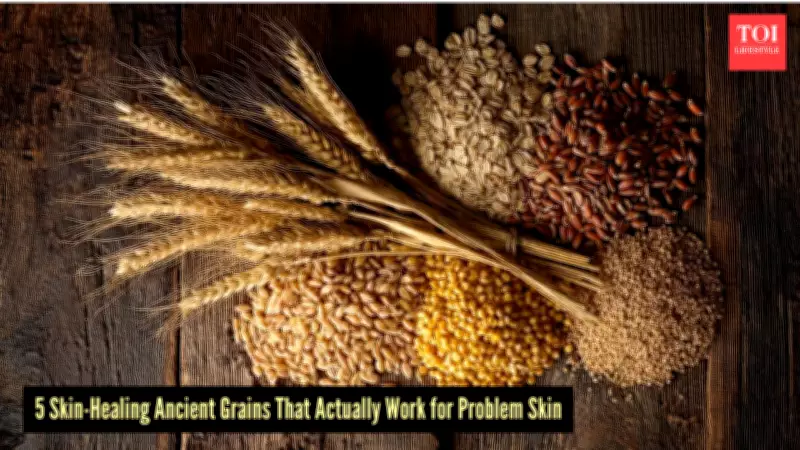
Ancient Grains for Clear Skin: 5 Millets That Combat Acne and Inflammation
If you have invested a significant portion of your income in high-end serums and creams to address persistent breakouts, you are certainly not alone. Many individuals rely on exfoliating acids and intensive barrier creams, hoping for rapid results. However, the most powerful skincare solution might not be found in a bottle at all. It could be waiting in your kitchen pantry. We are referring to millets, the humble ancient grains that have been a dietary staple for generations. Currently experiencing a resurgence in the wellness industry, these grains offer benefits far beyond weight management and digestive health. When it comes to alleviating stubborn skin inflammation—whether from sudden acne outbreaks or chronic conditions like eczema—incorporating specific millets into your diet can yield remarkable improvements. The key lies in selecting the right grain based on your skin's unique needs.
Pearl Millet (Bajra): The Acne Assassin
Are you dealing with red, inflamed, and painful breakouts? Pearl millet, commonly known as Bajra, is your ideal choice. This grain is exceptionally rich in zinc, a mineral celebrated in skincare for its ability to regulate sebum production. By controlling the amount of oil your skin generates daily, zinc helps prevent clogged pores. Additionally, it accelerates the wound healing process, making Bajra effective for calming painful cystic acne from the inside out.
Finger Millet (Ragi): The Ultimate Repair Kit
Finger millet, or Ragi, serves as a superfood for individuals battling chronic inflammatory skin issues such as eczema or psoriasis. Its potency stems from a high concentration of polyphenols and essential amino acids like methionine and lysine. These compounds act as internal repair agents, combating oxidative stress that damages healthy skin cells and promoting the production of fresh collagen. Over time, this supports the healing of compromised and damaged skin, restoring its integrity.

Foxtail Millet: The Shield Against City Life
Urban living exposes your skin to pollution and environmental stressors, often leading to irritation, sensitivity, and a dull complexion. Foxtail millet offers robust protection due to its abundant Vitamin E and niacin content. Vitamin E strengthens the skin's natural barrier, reducing damage from daily pollution and UV rays. Meanwhile, niacin, the dietary form of niacinamide, works to calm redness and even out skin tone, providing a defense against urban environmental challenges.
Sorghum (Jowar): The Hydration Hero
Dry skin frequently indicates a weakened barrier prone to inflammation. Sorghum, known as Jowar, addresses this issue with its silica and B vitamin content. These nutrients enhance the skin's ability to retain moisture, ensuring proper hydration. A well-hydrated skin barrier is stronger and more resilient, effectively keeping external irritants at bay and preventing inflammatory responses before they begin.
The Big Picture: Why Millets Actually Work
You might question how replacing conventional grains like wheat or white rice with millets can lead to visible skin improvements. The answer revolves around three fundamental reasons. First, millets have a low glycemic index, meaning they do not cause rapid spikes in blood sugar. High sugar levels trigger insulin surges, which can increase oil production and systemic inflammation—key factors in acne development. Second, the gut-skin axis plays a crucial role. Millets are rich in dense dietary fiber, which promotes a balanced gut microbiome. A healthy gut efficiently eliminates toxins, reducing the likelihood of inflammation manifesting through skin issues. Finally, millets are naturally gluten-free. For individuals with underlying gluten sensitivities, consuming wheat can provoke a low-grade immune response, often appearing as unexplained rashes or facial redness. By opting for millets, you avoid this trigger entirely. Consider reducing processed carbohydrates in favor of these ancient grains; your skin may express its gratitude through a clearer, healthier appearance.