

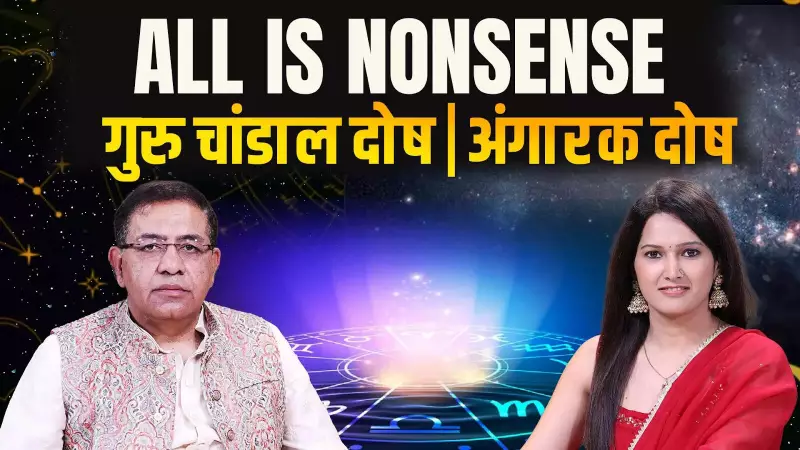
Astrologer Umang Taneja has sparked a fresh debate in the spiritual community by boldly dismissing Guru Chandaal Dosh and Angaarak Dosh as pure myths. He argues these terms are not rooted in classical astrology but are instead used to spread unnecessary fear.
Fear-Based Predictions vs. True Astrology
In a recent discussion, Taneja highlighted how many astrologers rely on such concepts to create anxiety among people. He stated that this practice misrepresents the real essence of astrology. According to him, classical astrology focuses on karma, personal effort, and raising consciousness.
It does not revolve around doom-laden predictions based solely on planetary positions. Taneja emphasized that planetary placements alone cannot determine someone's misfortune or success. He urged individuals to look beyond these superficial interpretations.

A Call for Logic and Awareness
Taneja's views encourage a shift towards rational thinking in astrology. He believes people should question blind beliefs and approach astrological science with logic. This perspective promotes responsibility and a healthier understanding of how astrology works.
By debunking these myths, Taneja aims to free astrology from fear-based narratives. His discussion calls for more awareness and critical thinking among both practitioners and followers. This approach aligns with modern efforts to make spirituality more grounded and practical.
Impact on the Astrology Community
Taneja's stance has resonated with many who seek a more logical approach to astrology. It challenges traditional practices that may exploit fears for gain. His message is clear: astrology should empower, not frighten, individuals.
This debate highlights a growing trend towards rational astrology. More people are now questioning long-held beliefs and demanding clarity. Taneja's insights could lead to a broader reevaluation of how astrology is practiced and perceived in today's world.






