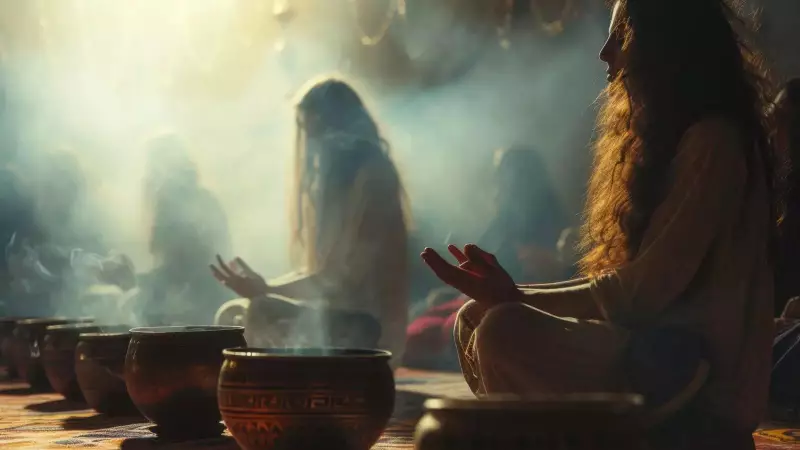
Mantra chanting, a profound spiritual technique detailed in ancient Hindu scriptures, represents one of the most powerful methods to connect with divine energy and awaken higher consciousness. This traditional practice harnesses distinctive vibrational energies that can transform your physical, mental, and spiritual well-being when performed correctly.
The Transformative Power of Mantras
Every mantra possesses unique spiritual power and specific vibrations that work to energize your body and mind while establishing a sacred connection with the supreme power. These sacred sounds serve multiple purposes in spiritual practice, including creating divine connections, enhancing meditation and sadhana, resolving life challenges, achieving mental peace, balancing the five elements, and seeking divine blessings.
Mantras function as powerful tools for purifying the mind, but their effectiveness depends entirely on proper chanting techniques. Incorrect practice can not only diminish the potency of mantras but may potentially cause problems if certain rules and regulations aren't followed meticulously.

Essential Do's for Effective Mantra Chanting
Take a Sankalp: Before beginning your mantra practice, take a solemn resolution specifying the duration and purpose of your chanting. This clear intention setting is crucial for focused practice.
Maintain Cleanliness: Physical purity is fundamental. Always bathe before chanting, as even the smallest mantra carries significant power that requires a clean vessel.
Choose an Ideal Place: Select a clean, quiet location free from noise and distractions. The environment significantly impacts your ability to concentrate and connect spiritually.
Use Right Asana: Sit on a Kusha Asana (grass mat), which you may cover with a blanket during winter months for comfort while maintaining traditional practice.
Maintain Proper Posture: Sit with your spine straight in Sukha Aasana (comfortable cross-legged position) on the floor to facilitate energy flow during chanting.
Cultivate Peaceful Mind: Ensure your mind is free from clutter and multiple distracting thoughts. A calm mental state is essential for effective mantra recitation.
Select Appropriate Rosary: Choose the right mala (rosary) specifically suited for the particular mantra you're chanting, as different materials carry different energies.
Practice Correct Pronunciation: This is extremely important - proper pronunciation ensures the mantras work as intended and deliver their full benefits.
Critical Don'ts to Avoid During Mantra Practice
Avoid Disturbance: Refrain from chanting when experiencing anxiety or mental agitation. Your mind should be calm and peaceful throughout the practice.
Steer Clear of Dirty Places: Avoid chanting in unclean or noisy environments that might attract negative energy and disrupt your spiritual focus.
Eliminate Tamasik Food: If you've taken a sankalp for mantra chanting, avoid consuming Tamasik foods that can cloud consciousness and hinder spiritual progress.
Don't Use Broken Mala: Never use a damaged or broken rosary. Replace it before beginning your chanting practice to maintain the sacred energy flow.
Avoid Impure Thoughts: Particularly important - refrain from thinking about your partner or intimate scenes during chanting, as this completely defeats the spiritual purpose.
Mantra chanting serves as a profound spiritual activity that aligns your mind, body, and soul while creating a powerful connection with divine energy. By following these essential do's and don'ts meticulously, you can maximize the benefits of your spiritual practice and experience the transformative power of ancient Hindu wisdom in your daily life.