

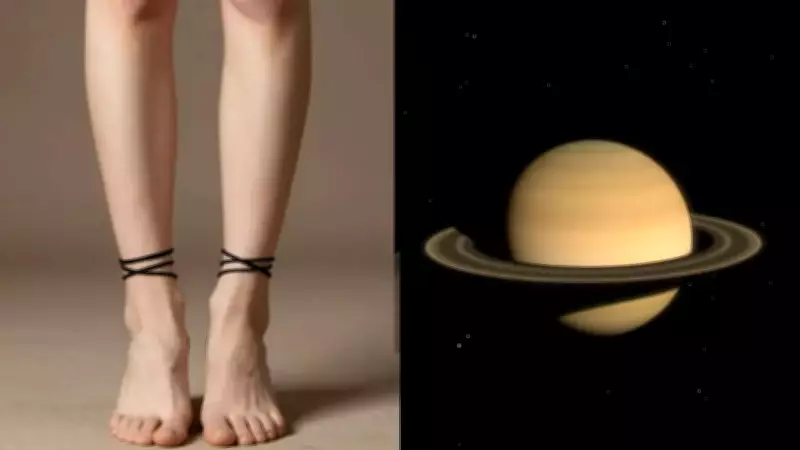
The Mystical Significance of Kala Dhaga: Beyond Fashion and Superstition
In contemporary culture, a simple black thread worn around the ankle or wrist is often dismissed as a mere fashion accessory or a superstitious charm. However, within the profound framework of Vedic astrology and Hindu spiritual practices, this humble Kala Dhaga holds immense astrological relevance and is considered a potent remedy for various planetary afflictions.
Understanding Kala Dhaga: A Sacred Thread in Vedic Tradition
Kala Dhaga, translating to 'black thread,' is far more than an ornamental piece. According to Vedic astrology, it is a consecrated item primarily used to appease Lord Shani, the planet Saturn. The practice is deeply embedded in ancient beliefs, where wearing this energized thread is thought to neutralize the malefic effects of Rahu and Ketu, the shadow planets, while offering robust protection against the evil eye, commonly known as 'nazar dosha.'
Why Kala Dhaga is a Powerful Astrological Remedy
The efficacy of the black thread stems from its simplicity and the sacred rituals associated with it. Traditionally, the thread is energized through specific mantras chanted on auspicious days. This process is believed to imbue the thread with the power to absorb negativity, balance planetary energies, and foster stability in one's life. It serves as a grounding tool, channeling cosmic forces to harmonize personal energy fields.

Pacification of Saturn: Alleviating Shani Doshas
One of the primary purposes of Kala Dhaga is to pacify and honor Shani doshas. The black color is particularly significant here, as it is considered a powerful remedy to mitigate the harsh effects of Sade Sati, a challenging period in Vedic astrology associated with Saturn's transit. This phase often brings hardships, karmic delays, and life struggles. By wearing the black thread, individuals aim to ground Saturn's energy, transforming its restrictive influence into one of discipline and longevity.
This remedy is especially beneficial for zodiac signs like Capricorn and Aquarius, which are ruled by Saturn. For these signs, tying the black thread on Saturdays, the day dedicated to Shani, is believed to maximize relief from issues such as poverty or isolation, fostering focus and resilience.
Neutralizing Rahu and Ketu: Dispelling Illusions and Misfortune
Rahu and Ketu, often referred to as shadow planets, are known to cause confusion, illusions, and sudden misfortunes in astrological charts. Wearing Kala Dhaga is thought to dissolve these malefic effects. The thread acts as a filter, shielding the wearer from negative influences during nodal transits and restoring mental clarity. This makes it a valuable tool for navigating periods of uncertainty and upheaval.
Boosting Mars Energy and Enhancing Protection
For individuals with strong Mars influences, such as those born under Aries or Scorpio signs, Kala Dhaga can help manage aggression and temper. Tying the thread on Tuesdays, the day associated with Mars, is believed to boost resilience and bring balance to fiery dispositions. Additionally, the thread is said to absorb nazar and unseen threats, thereby boosting one's immunity and protective aura.
In practice, women typically wear the thread on the left ankle, while men wear it on the right. It is recommended to replace the thread when it breaks, as this is seen as a sign that it has absorbed the intended negativity.
Rituals and Mantras for Energizing Kala Dhaga
To fully activate its astrological benefits, the Kala Dhaga should be energized through specific rituals. After performing a puja, chanting mantras such as "Om Sham Shanicharaya Namah" is advised. This practice is particularly recommended for those struggling with Saturn, Mars, or Rahu-related doshas, as it helps foster prana harmony and align with positive cosmic vibrations.
In essence, Kala Dhaga transcends its physical form to become a spiritual tool rooted in centuries of astrological wisdom. Whether worn for fashion or faith, its significance in Vedic traditions offers a fascinating glimpse into the interplay of astrology, culture, and personal well-being.






