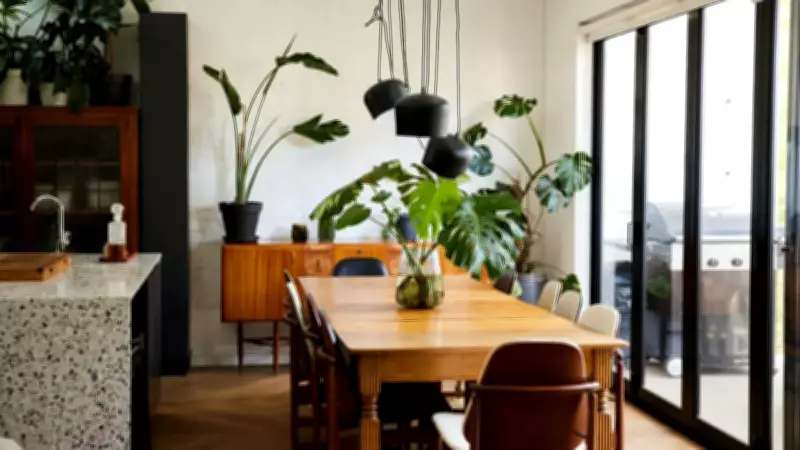
Your indoor plants are dying. You are doing everything right: watering them religiously, using the highest-quality potting soil, and adding fertilizer on schedule. And yet, the leaves seem to have lost their colour. Yellow spots are starting to appear. They are still drooping and look nowhere near how they are supposed to. Wondering what went wrong? The placement. Where you put your plants matters just as much as how you care for them.
The Light Matters
Most people place their plants in a corner that they feel is well lit. Yes, it may look right to your eyes, but for the plants, it could be too dim. Most indoor plants need bright, indirect light. If you have placed your plant near a window and yet it struggles, consider moving it to a north-facing window, as this provides consistent but minimal light. Placing your plants at east-facing windows will help them get gentle morning sun. West-facing windows, on the other hand, deliver intense afternoon sunlight. South-facing windows have the brightest light. Arrange your plants depending on the light exposure they need. For instance, pothos and snake plants flourish in dimmer spots; however, succulent plants and bird of paradise require bright light. They will become leggy and weak in shadowy corners.
Bad Spots to Avoid
Plants are sensitive to temperature, so sudden changes affect them. Regardless of whether it goes with your interior or not, avoid placing plants in dark corners. When light is cut, it will weaken their growth. Similarly, temperature swings stress them out. Avoid placing them near heating vents, air-conditioning units, or draughty doors. Hot, dry air dehydrates leaves, and unstable temperatures can cause leaf drop, resulting in stunted growth. Some people also place plants in good light but without proper air circulation. Over time, this could lead to fungal diseases and pest infestations. Your plants need gentle air movement.

Humidity and the Environment Are Important
Tropical plants such as ferns and philodendrons come from humid environments, but most people place them in dry living rooms. No amount of watering can fix this humidity problem. On the other hand, some plants love moisture, so placing them on high shelves, where water will not naturally evaporate, creates a problem. While the place to put a plant really depends on the kind, the best bet for most plants is a bright window with indirect sunlight. Most plants grow well when kept away from direct airflow and rotated regularly to grow evenly towards the light.
By following these guidelines, you can ensure your indoor plants thrive. Remember, proper placement is key to their health and vitality.