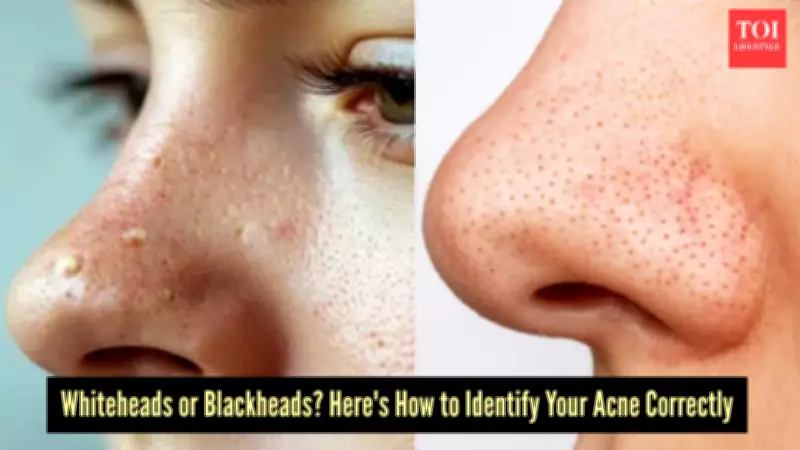
If you have ever stood in front of a mirror wondering what those black and white tiny bumps on your face are, you are not alone. These are whiteheads and blackheads, caused by clogged pores, and they differ in formation, treatment, and appearance. Misidentifying them and using the wrong treatment can lead to worse outcomes. Let us start by understanding the difference between whiteheads and blackheads, how to identify them, their treatment, and finally, how to prevent them.
What Are Whiteheads?
Whiteheads form when a closed comedone occurs on the skin's surface. This happens when a pore gets clogged with oil, dead skin cells, and bacteria. A whitehead remains closed on the surface because the pore opening is blocked, trapping everything beneath. This creates a bump under the skin that can be white or flesh-colored. Whiteheads are usually located on the chin, cheeks, forehead, and jawline. They are often painless.
What Are Blackheads?
Blackheads, known as open comedones, develop when pores become clogged with oil, dead skin, and dirt but remain open. The dark appearance is not due to trapped dirt but because of exposed oxygen, which triggers oxidation, making the pore contents look dark brown or black. You can commonly find them on the nose, chin, forehead, and upper cheeks. The skin feels rough when touched, and blackheads are usually non-inflammatory.

How to Treat Whiteheads
- Salicylic Acid: A beta-hydroxy acid that penetrates pores to dissolve sebum, debris, and dead skin cells.
- Retinoids: Prescription retinoids increase cell turnover and help prevent clogged pores.
- Niacinamide: Regulates oil production and improves overall skin texture.
- Benzoyl Peroxide: Useful when whiteheads become inflamed or start developing into pimples.
How to Treat Blackheads
- Clay Masks: Absorb excess oil and help clear pore congestion.
- Retinoids: Prevent the formation of new blackheads by keeping pores clear.
- Chemical Exfoliants: AHAs and BHAs remove dead skin cells that contribute to clogged pores, leaving a clear base.
How to Prevent Both
Start washing your face twice daily with a gentle cleanser. Use non-comedogenic skincare and makeup products. Apply sunscreen every day and exfoliate your skin once a week. Maintain a consistent skincare routine and always remove makeup before going to bed.
When to Visit a Dermatologist
If your skincare products do not help after several weeks, and your acne becomes painful or starts causing scarring, it is time to consult a dermatologist. Professional treatments such as chemical peels, extractions, and retinoids may be recommended to help resolve the issue.
Parting Thoughts
Although whiteheads and blackheads may seem similar, with the right treatment you will notice differences and avoid common skincare mistakes. Follow a consistent regimen, be patient, and use the right ingredients. Remember, these are just acne issues that can be managed and eventually prevented over time.