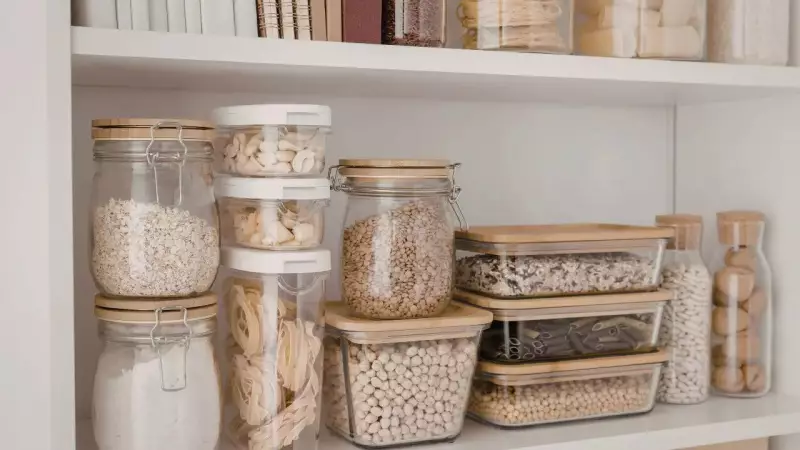
Plastic food containers have become an indispensable part of the modern Indian kitchen. They offer unmatched convenience for storing leftovers, packing lunches, and organising pantry ingredients. Their stackable design and widespread availability cement their status as a household essential. However, these trusty kitchen helpers do not last forever. Over time, daily use can compromise their integrity, turning a convenient tool into a potential health hazard.
Six Warning Signs Your Plastic Container Needs to Go
Recognising when a plastic container has reached the end of its safe life is crucial for maintaining kitchen hygiene and preventing foodborne illnesses. Using damaged or unsuitable containers can allow harmful bacteria to grow and contaminate your food. Here are the six clear indicators that it's time to discard your old plastic ware.
1. Scratches and Cracks
Visible scratches or cracks on the surface or bottom of a container are more than just cosmetic flaws. They create tiny grooves where food particles and bacteria can hide and multiply, making cleaning nearly impossible. These imperfections also weaken the plastic's structure, making it more prone to breaking. Containers with deep scratches or cracks should be retired from food use immediately.

2. Punctures and Leaks
Any container that has developed a puncture or consistently leaks is no longer reliable. A leak compromises the seal, allowing external contaminants to enter and liquids to spill, creating a mess and a breeding ground for bacteria. Such containers cannot safely store or transport food.
3. Lid Problems
A proper seal is vital for safe food storage. If the lid is missing, warped, cracked, or does not fit snugly, the container is effectively useless for its primary purpose. A poorly fitting lid allows air and bacteria to enter, accelerating food spoilage. Containers with damaged lids can be repurposed for non-food items but should not hold edibles.
4. Persistent Odours
If a container retains a food smell even after thorough washing, it is a red flag. Lingering odours signal that food residues and bacteria have penetrated the plastic at a microscopic level. This colonization renders the container unsafe for future food storage, as it can transfer odours and contaminants to new items.
5. Stains and Discolouration
Deep, set-in stains, particularly from colourful foods like turmeric or tomato-based sauces, indicate that the plastic has absorbed pigments and likely food residues. This staining often means the plastic is porous and can harbour bacteria, making it difficult to sanitise properly.
6. Texture Changes and Warping
If a container feels different to the touch, appears warped, or has a changed texture, it has likely been degraded by heat. Exposure to high temperatures in dishwashers, microwaves, or even hot water can break down the plastic polymers over time. This degradation can cause chemicals to leach into food more easily.
Smart Tips for Safe and Durable Plastic Food Storage
To maximise the safe lifespan of your food storage containers and protect your family's health, follow these expert guidelines.
First, understand the plastic codes. Check the recycling symbol—a triangle with a number—on the bottom of the container. Plastics labelled with numbers 2 (HDPE), 4 (LDPE), and 5 (PP) are generally considered safe for repeated food storage. Be cautious with plastic marked with number 7 (often "Other"), as it may contain Bisphenol-A (BPA). BPA can leach into food and is linked to potential health risks, including developmental problems in children and cardiovascular issues.
Handwashing is gentler and can significantly extend the life of your containers compared to the harsh, high-heat cycles of a dishwasher. Avoid microwaving plastic unless it is explicitly labelled as microwave-safe. Store containers in a cool, dry place, stacked neatly to prevent warping and physical damage.
Make it a habit to periodically inspect your containers. Check lids for fit, surfaces for damage, and give them a quick sniff test. Proactive maintenance ensures your kitchen remains a zone of health and safety.