Venus in Astrology: How Planetary Strength Influences Mental Health & Lifestyle
In contemporary astrology and numerology communities, Venus—traditionally associated with love, beauty, luxury, and harmony—is increasingly recognized for its profound connection to mental health and lifestyle decisions. Practitioners and scholars assert that the positioning and strength of Venus in an individual's birth chart can significantly shape their interpersonal relationships, financial stability, creative expression, and overall social magnetism.
Manifestations of a Strong Venus Placement
According to astrological experts, individuals with a robust Venus often exhibit distinct characteristics that enhance their life experience. These traits typically include:
- A naturally charming personality coupled with appealing physical appearance
- Stable and fulfilling romantic partnerships or favorable opportunities for marriage
- Consistent access to comfort, luxury, and financial ease without major struggles
- A deep-seated passion for artistic pursuits such as music, fashion, and beauty
- Positive public reputation and a supportive network of friends and acquaintances
- A calm, compassionate, and diplomatic communication style that fosters harmony
Challenges of a Weak or Afflicted Venus
Conversely, when Venus is weak or afflicted in a birth chart, it may manifest as various emotional and material difficulties. Common issues reported by astrologers include:

- Unstable relationships or a pattern of repeated heartbreaks and disappointments
- Low self-esteem and behaviors driven by a constant need for external validation
- A lack of joy, pleasure, and emotional satisfaction in daily life
- Fluctuating financial circumstances or inconsistent income streams
- Delays or obstacles in finding love or entering into marriage
- Excessive preoccupation with physical appearance, social status, or gaining approval from others
Astrologers emphasize that these patterns are not fixed or permanent. Through conscious awareness and intentional practices, individuals can work to balance Venusian energy and mitigate its negative effects.
The Rising Popularity of Nighttime Chanting Rituals
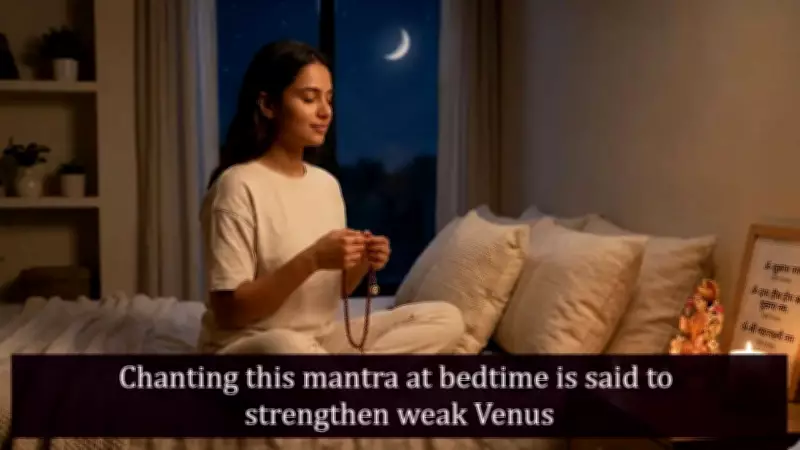
A growing number of spiritual practitioners are adopting the habit of chanting Venus-related mantras before bedtime. This trend is rooted in the belief that nighttime offers a unique mental and emotional environment conducive to planetary alignment and personal healing.
Experts explain that the nocturnal hours are associated with:
- A quieter, less distracted mind that is more receptive to subtle energies
- Enhanced access to the subconscious, allowing for deeper emotional processing
- Opportunities for emotional release and therapeutic healing
- A soft, open energetic quality that aligns well with Venus's harmonious vibrations
Recommended Venus Mantras for Enhanced Energy
To bolster Venus energy, practitioners commonly recommend three specific mantras, each with varying levels of potency:
- Simple Venus Mantra: "Om Shukraya Namah" (chanted 108 times)
- Beej Mantra (more powerful): "Om Draam Dreem Draum Sah Shukraya Namah" (chanted 108 times)
- Lakshmi Mantra: "Om Shreem Mahalakshmyai Namah" (chanted 108 times)
These mantras are typically recited 21 or 108 times, depending on the individual's personal preference and level of spiritual discipline. Consistency and focus are key to experiencing their benefits.
A Simple Bedtime Routine for Venus Alignment
Practitioners stress that incorporating Venus mantras into daily life need not be complex. A straightforward bedtime routine can include:

- Sitting quietly on the edge of the bed in a comfortable position
- Setting aside electronic devices to minimize distractions
- Optionally lighting a diya or candle to create a serene atmosphere
- Chanting the selected mantra with full concentration and intention
- Retiring to sleep without engaging with negative or overly stimulating content
Blending Mindfulness with Spiritual Faith
While scientific consensus on planetary influence remains elusive, experts note that rituals like Venus chanting can serve as powerful tools for mindfulness, emotional regulation, and goal-setting. By integrating these practices into a lifestyle framework, individuals may cultivate greater self-awareness and harmony, bridging ancient wisdom with modern mental health approaches.