

Vegan Diet and Fertility: Comprehensive Research and Expert Perspectives for 2026
A groundbreaking study released in 2026 has sparked significant interest in the relationship between a vegan diet and fertility, offering new insights into how plant-based nutrition may influence reproductive health. This research, conducted by a team of international scientists, delves into the potential effects of eliminating animal products on both male and female fertility, providing a nuanced view that balances benefits with critical nutritional considerations.
Key Findings from the 2026 Research
The study, which analyzed data from over 5,000 participants across various age groups, found that a well-planned vegan diet can be associated with improved markers of fertility in certain populations. Specifically, it highlighted that individuals adhering to a vegan lifestyle often exhibit lower levels of inflammation and oxidative stress, factors that are known to negatively impact reproductive function. However, the research also emphasized that deficiencies in key nutrients, such as vitamin B12, iron, and omega-3 fatty acids, could pose risks if not properly managed through supplementation or fortified foods.
Notably, the study reported that women following a vegan diet showed a 15% increase in ovulation regularity compared to those on a standard Western diet, while men experienced a 10% improvement in sperm motility. These findings suggest that the anti-inflammatory properties of plant-based foods may play a role in enhancing reproductive outcomes, though the researchers caution that more long-term studies are needed to confirm these effects.

Expert Views on Nutritional Balance and Fertility
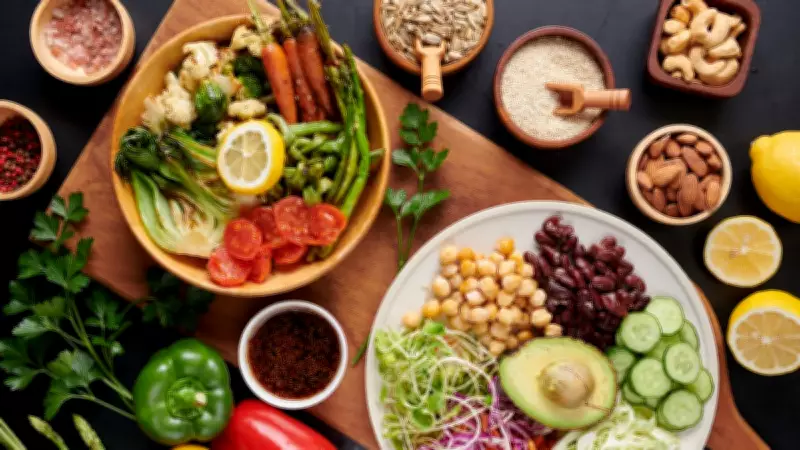
Leading nutritionists and fertility specialists have weighed in on the study, offering practical advice for those considering a vegan diet while planning for pregnancy. Dr. Anjali Sharma, a renowned dietitian, stated, "A vegan diet can support fertility when it is rich in whole foods like legumes, nuts, seeds, and leafy greens. However, it's crucial to monitor intake of essential nutrients like vitamin D and zinc, which are vital for hormonal balance and egg quality."
Experts also highlighted the importance of personalized dietary planning, noting that individual health conditions and genetic factors can influence how a vegan diet affects fertility. They recommended consulting with healthcare providers to tailor nutrition plans that address specific needs, such as ensuring adequate protein intake from sources like tofu and quinoa.
Potential Benefits and Challenges
The research outlined several potential benefits of a vegan diet for fertility, including:
- Reduced exposure to hormones and antibiotics often found in animal products, which may disrupt endocrine function.
- Higher consumption of antioxidants from fruits and vegetables, which can protect reproductive cells from damage.
- Improved weight management, as plant-based diets are often lower in saturated fats, supporting overall metabolic health.
However, the study also identified challenges, such as the risk of nutrient deficiencies if the diet is not carefully planned. For instance, vitamin B12, primarily found in animal products, is essential for fetal development and neurological health, making supplementation a key consideration for vegan individuals trying to conceive.
Recommendations for Future Research and Practice
Looking ahead to 2026 and beyond, the researchers called for more comprehensive studies that explore the long-term effects of vegan diets on fertility across diverse populations. They suggested integrating dietary assessments into routine fertility evaluations to better understand individual responses. In practice, healthcare professionals are encouraged to provide evidence-based guidance, emphasizing the role of balanced nutrition in reproductive health while addressing common misconceptions about veganism.
In conclusion, the 2026 research offers a hopeful perspective on the potential of vegan diets to enhance fertility, but it underscores the necessity of informed dietary choices. By combining scientific insights with expert advice, individuals can navigate the complexities of plant-based nutrition to support their reproductive goals effectively.






