Varun Dhawan Recalls 'Worst Pain' from Tailbone Injury During Border 2 Shoot
In a recent revelation, Bollywood actor Varun Dhawan opened up about suffering a severe tailbone injury while filming for the upcoming movie Border 2. Describing it as the worst pain he has ever felt, his experience sheds light on the often underestimated nature of coccyx fractures. This incident has sparked discussions on why such injuries are frequently dismissed as minor, despite causing prolonged discomfort and slow healing.
The Incident and Its Impact
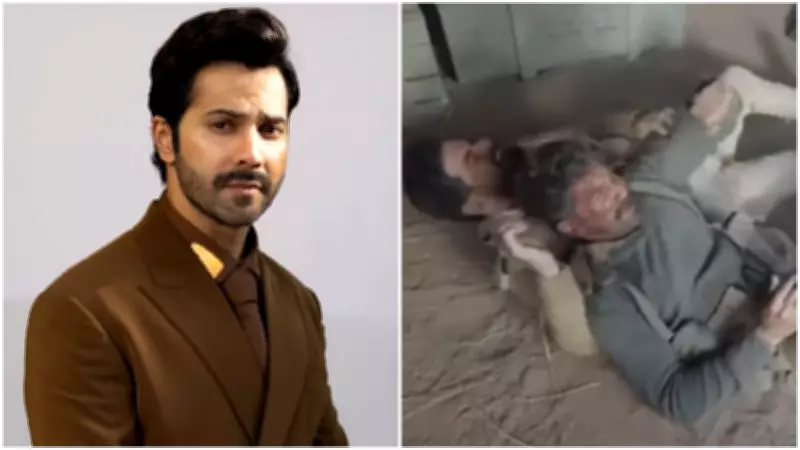
Varun Dhawan detailed the injury in an Instagram reel, where he explained that he smashed his tailbone into a rock while trying to avoid hitting a camera during a demanding scene. He sustained a hairline fracture on the tailbone, an injury he feels he is still recovering from. Despite barely being able to walk, he continued filming with the support of his team, highlighting how individuals often push through severe pain in such situations.
Why Tailbone Injuries Are Often Underestimated
According to Dr. Raghu Nagaraj, director at the Institute of Orthopaedics, Sports Medicine and Robotic Joint Replacement at Kauvery Hospitals in Bengaluru, tailbone injuries are commonly labeled as minor because they are rarely life-threatening and usually do not require surgery. However, the coccyx is a highly sensitive structure surrounded by ligaments, muscles, and nerve endings that are constantly engaged during everyday activities like sitting, walking, and posture changes.

Dr. Nagaraj emphasizes that a hairline fracture or bruise in this area causes persistent pain due to the inability to completely immobilize the tailbone. Every movement places micro-stress on the injured area, leading to slow healing and discomfort that can linger for weeks or even months.
Risks of Continuing Activity After Injury
Continuing physical activity immediately after a tailbone injury can significantly worsen the damage. What might start as a bruise or hairline fracture can progress into chronic inflammation, nerve irritation, or improper healing. Persisting through pain may also alter posture and gait, resulting in secondary issues such as:
- Lower back pain
- Hip strain
- Muscle imbalance
When walking becomes painful, it serves as a clear signal that the body needs rest and medical evaluation rather than exertion.
Proper Recovery Strategies
Proper recovery from a tailbone fracture focuses on rest, pain control, and a gradual return to activity. Dr. Nagaraj recommends the following steps:
- Avoid prolonged sitting
- Use cushioned or doughnut-shaped pillows
- Apply ice in the early phase
- Take prescribed anti-inflammatory medication if needed
Physiotherapy can help restore pelvic and lower back strength once pain subsides. Most importantly, individuals should listen to their bodies and avoid rushing back into strenuous activity. Adequate rest in the initial weeks is crucial to prevent chronic tailbone pain, which can otherwise persist long after the original injury has healed.
Conclusion and Disclaimer
Varun Dhawan's experience serves as a reminder of the importance of recognizing the seriousness of tailbone injuries. While they may seem minor, proper management is essential for effective healing. Always consult a health practitioner before starting any routine or making decisions about injury recovery.