

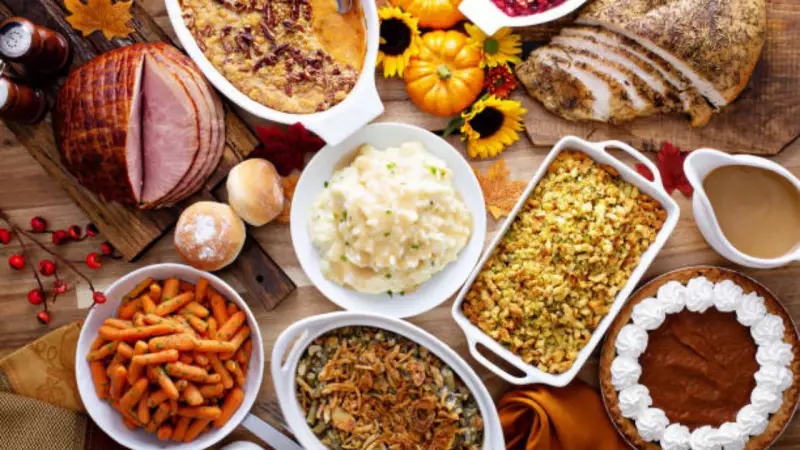
Thanksgiving celebrations can pose significant challenges for individuals using Ozempic and similar GLP-1 medications, particularly when facing traditional heavy, rich foods that dominate holiday tables. The festive spread featuring buttery rolls, creamy casseroles, comforting stuffing, and decadent pies often leads to overeating beyond comfort levels, creating potential digestive distress for those with medication-sensitive stomachs.
Why Holiday Foods Challenge Ozempic Users
Registered dietitian Kylie Bensley, MS, RD, explains that carbohydrate and fat-heavy holiday staples become particularly difficult to digest for people taking GLP-1 medications like Ozempic. Traditional dishes such as macaroni and cheese or candied yams present substantial digestive challenges because their fundamental composition cannot be modified to become lighter versions.
"It's one of those dishes that you really can't make low-fat, you really can't make it light. Sometimes, it's even hard to digest just because it's just carbs and fat and could make you feel worse," Bensley told PEOPLE magazine. The combination of dense carbohydrates and high fat content becomes especially problematic when individuals are already consuming smaller portions due to medication effects.

Practical Strategies for Holiday Meal Management
Bensley provides specific, actionable advice for navigating Thanksgiving meals while managing medication side effects. For richer dishes like macaroni and cheese, she recommends limiting portion size to no more than 25% of your plate and emphasizes the importance of consuming protein first during the meal.
The emotional aspect of holiday eating deserves equal attention, as Thanksgiving food represents tradition, nostalgia, and emotional connection rather than mere sustenance. Bensley suggests mindful eating practices including slowing down consumption, properly tasting each food item, taking breaths between bites, and regularly checking in with fullness signals to transform the experience from chaotic to enjoyable.
Managing Beverages and Finding Balance
Festive holiday drinks including eggnog, mulled wine, and special cocktails present additional challenges as they essentially function as liquid desserts. These beverages accumulate quickly in terms of calorie and sugar content and may not settle well, particularly for those with reduced appetites from medication.
Balance emerges as the key strategy for enjoying richer holiday items without severe consequences. Pairing heavier dishes with lighter options helps prevent the extreme post-dinner slump and discomfort. When it comes to dessert, Bensley recommends selecting the single option you genuinely love and savoring it completely rather than sampling multiple choices.
For those moments when indulgence exceeds intentions, Bensley offers reassuring advice: warm tea, gentle walking, and self-forgiveness provide effective recovery strategies. She emphasizes that Thanksgiving represents just one day focused on gratitude, connection, and comfort with loved ones, encouraging people to enjoy both the food and the experience while maintaining self-compassion regardless of medication status.






