Understanding Summer Joint Pain and Its Link to Dehydration
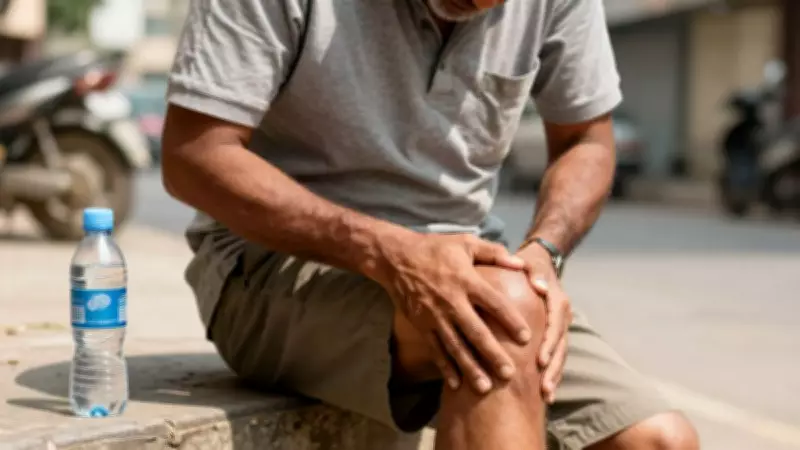
As temperatures soar during the summer months, many individuals experience an unexpected and often debilitating issue: joint pain. This condition, commonly associated with cold weather, can surprisingly flare up in the heat, primarily due to dehydration. The human body relies on adequate hydration to maintain the health and function of joints, and when fluid levels drop, it can lead to discomfort, stiffness, and inflammation in areas like the knees, hips, and shoulders.
Causes of Joint Pain in Summer
Dehydration is a key culprit behind summer joint pain. When the body loses more fluids than it takes in, essential processes are disrupted. Joints are cushioned by synovial fluid, which reduces friction between bones and cartilage. Dehydration can cause this fluid to thicken or decrease in volume, leading to increased wear and tear on joints. Additionally, high temperatures can cause blood vessels to dilate, potentially exacerbating inflammation in already sensitive areas. Other factors include increased physical activity during summer, which strains joints, and electrolyte imbalances that affect muscle and joint function.
Symptoms to Watch For
Recognizing the symptoms of dehydration-related joint pain is crucial for timely intervention. Common signs include persistent aches or soreness in joints, stiffness that worsens with movement, swelling or redness around affected areas, and a general feeling of fatigue. In severe cases, individuals may experience dizziness, dry mouth, or reduced urine output, indicating significant fluid loss. It is important to differentiate this from other conditions like arthritis, as dehydration-induced pain often improves with proper hydration and rest.

Prevention Strategies
Preventing summer joint pain involves proactive measures to stay hydrated and protect joint health. Here are some effective tips:
- Increase Water Intake: Aim to drink at least 8-10 glasses of water daily, and more if engaging in outdoor activities or sweating heavily.
- Consume Hydrating Foods: Include fruits and vegetables with high water content, such as watermelon, cucumbers, and oranges, in your diet.
- Limit Dehydrating Beverages: Reduce consumption of alcohol, caffeine, and sugary drinks, which can contribute to fluid loss.
- Wear Appropriate Clothing: Choose lightweight, breathable fabrics to help regulate body temperature and reduce sweating.
- Take Breaks in Shade: Avoid prolonged exposure to direct sunlight, especially during peak hours, to prevent overheating and dehydration.
- Monitor Electrolytes: Consider electrolyte-rich drinks or supplements if engaging in intense exercise, to maintain balance and support joint function.
When to Seek Medical Help
While most cases of summer joint pain can be managed with home remedies, it is essential to consult a healthcare professional if symptoms persist or worsen. Seek medical advice if you experience severe pain, inability to move joints, signs of infection like fever, or if dehydration symptoms do not improve with increased fluid intake. Early intervention can prevent complications and ensure proper diagnosis and treatment.
In summary, summer joint pain is a real and manageable issue, largely driven by dehydration. By understanding its causes, recognizing symptoms, and implementing preventive measures, individuals can enjoy the warmer months without discomfort. Staying hydrated is not just about quenching thirst—it is a vital step in maintaining overall joint health and well-being.