The Unchanging Needs of Special Children Across Environments
Children with special needs do not switch their requirements on and off depending on their location. They do not require assistance solely within classroom boundaries and complete independence everywhere else. Their needs accompany them constantly, moving seamlessly from one setting to another.
The Classroom Support System
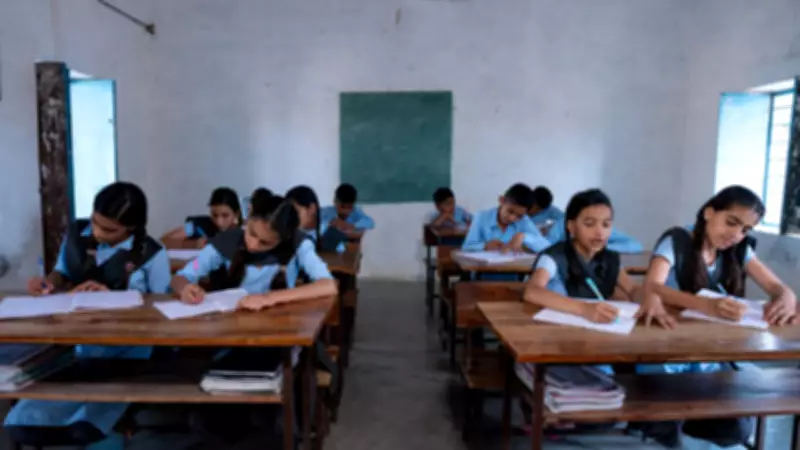
Within educational environments, there exists at least a deliberate attempt to accommodate diverse learning styles. Teachers provide adjusted instructions and modified expectations, understanding that learning manifests differently for various children. Educators recognize that uniform approaches rarely serve all students effectively.
The Disappearing Support Outside School Walls
Outside those structured educational spaces, this understanding frequently diminishes. The same child who received appropriate accommodations in school is suddenly expected to function without modifications, patience, or explanation. This transition creates a significant gap where numerous challenges begin to emerge.

Homework: A Common Example of Support Disconnect
Homework assignments present a typical illustration of this disconnect. Children who require guidance, regular breaks, or alternative information processing methods receive work designed for uniform performance. The expectation assumes they will manage with less structure and fewer supports at home.
When difficulties inevitably appear, they are often misinterpreted as resistance rather than unmet needs. This misunderstanding can create frustration for both children and their families, potentially undermining educational progress.
Social Environment Challenges
Social spaces pose similar substantial challenges. Playgrounds, birthday celebrations, extracurricular activities, and tuition centers rarely incorporate special needs considerations into their design. Noise levels frequently escalate unpredictably, instructions change rapidly, and there exists minimal accommodation for individual pacing, sensory regulation, or emotional reassurance.
When children struggle in these environments, the common response tends toward exclusion rather than adjustment. This reaction fails to address the underlying needs and perpetuates isolation.
The Invisible Work of Parents and Caregivers
Parents consistently fill these support gaps through continuous effort. They repeatedly explain their child's requirements to different adults, prepare environments in advance, and anticipate potential reactions. Much of this essential work remains invisible to outsiders, yet it represents a constant, ongoing commitment.
Supporting children with special needs does not occur in isolated segments but constitutes a continuous process that extends across all aspects of daily life.
The Power of Consistency
What creates meaningful difference is consistency across environments. When educational institutions communicate beyond academic performance metrics, when teachers share insights about what helps a child remain regulated, how instructions are best received, or what triggers sensory overload, families can carry this understanding into daily routines.
Children benefit significantly when expectations feel predictable across different spaces, creating a sense of security and stability.
Community Awareness and Adaptation
Support beyond classroom settings fundamentally depends on broader community awareness. Coaches who adapt training drills, activity centers that permit flexibility, and adults who intervene calmly rather than staring when a child experiences difficulties—these actions do not necessarily require specialized training.
They primarily demand willingness, empathy, and basic understanding of diverse needs.
Understanding Behavioral Expressions
A common misunderstanding revolves around behavioral expressions. Children with special needs may appear calm in structured environments yet become distressed in familiar settings. This transformation does not indicate they were previously "fine" but rather reflects that the support system helping them earlier is no longer present.
Recognizing this fundamental distinction changes how adults respond, shifting focus from correction to genuine care and appropriate support.

The Essential Truth About Special Needs Support
Supporting students with special needs beyond educational environments means accepting one fundamental truth: support cannot be temporary or location-specific. It must follow the child consistently—across different spaces, throughout time, and amid varying expectations.
When this occurs, children are not constantly asked to adapt to an inflexible world. Instead, the world learns, even through small adjustments, to meet them where they are. This represents not merely accommodation but genuine societal responsibility toward all children's wellbeing and development.