

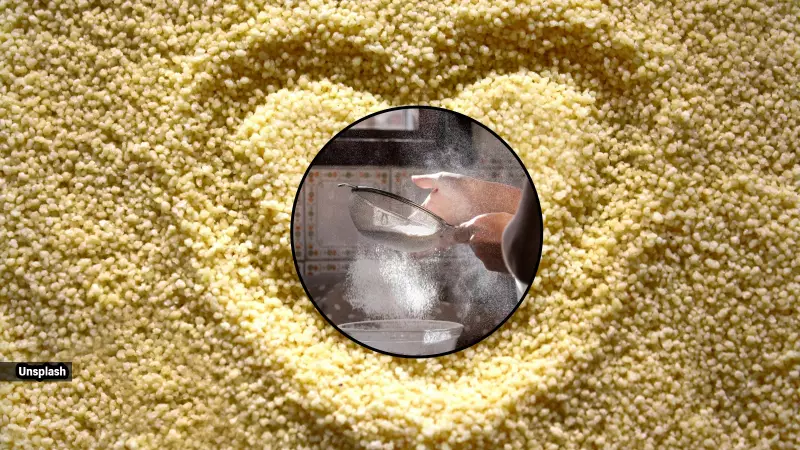
Sooji vs Maida: The Great Indian Kitchen Debate
In Indian households, sooji or semolina has traditionally been viewed as a healthier alternative to maida or all-purpose flour. From comforting upma to fluffy idlis, this coarse wheat product features prominently in regional cuisines and weight-loss diets. However, recent claims by engineer-turned-medical student Akriti have sparked controversy, labeling sooji as "just a glorified version of maida" with questionable health benefits.
The Core Controversy: Refined Carbohydrates Under Scrutiny
Akriti's argument centers on sooji's nutritional profile, highlighting its moderately high glycemic index, minimal fiber content, and status as a refined carbohydrate. She contends that having a slightly lower glycemic index than maida doesn't automatically qualify sooji as a healthy choice. This perspective challenges long-held dietary beliefs in Indian kitchens, where sooji-based dishes are often recommended for their supposed nutritional advantages.
Nutrition Expert Provides Balanced Perspective
To examine these claims objectively, we consulted Ashlesha Joshi, Fitness Dietician and Nutritionist at Tone 30 Pilates. Joshi describes Akriti's comparison as an oversimplification, explaining the fundamental differences between these wheat products.

"Both sooji and maida originate from wheat, but their processing methods differ significantly," Joshi clarifies. "Maida undergoes extensive refinement that strips away most fiber and micronutrients, while sooji retains a coarser texture with slightly more protein and structural integrity."
However, the nutritionist emphasizes that sooji remains a refined grain product, not a whole grain. "Labeling sooji as 'glorified maida' is misleading, but portraying it as highly nutritious would be equally inaccurate. It occupies a middle ground in the nutritional spectrum," she adds, providing a nuanced perspective often missing from polarized debates.
Contextual Health Benefits: When Sooji Makes Sense
Joshi stresses that context and moderation determine sooji's place in a healthy diet. Compared to maida, sooji undergoes less refinement and offers better satiety, particularly when prepared with complementary ingredients.
"For everyday Indian dishes like upma or idli, sooji can be a reasonable choice when combined with fiber-rich vegetables, protein sources like lentils, or healthy fats," she explains. "The key is avoiding over-reliance and recognizing that sooji shouldn't replace whole grains such as millets, oats, or whole wheat as dietary staples."
The nutritionist recommends viewing sooji as a transitional refined grain rather than a daily health food, suitable for occasional consumption within balanced meals.
Blood Sugar Considerations and Preparation Strategies
Addressing concerns about glycemic impact, Joshi acknowledges sooji's limitations. "As a refined wheat product, sooji does have a relatively high glycemic index and digests quickly, with fiber content lower than whole grains," she confirms.
However, preparation methods significantly influence nutritional outcomes. "Incorporating vegetables, protein sources like dal or curd, and healthy fats such as ghee or oil can slow glucose absorption and mitigate blood sugar spikes," Joshi advises, highlighting how traditional Indian cooking practices often naturally address these concerns.
Regular consumption in large quantities may present challenges, particularly for individuals with specific health conditions. "When consumed as part of a diet high in refined carbohydrates, sooji can contribute to blood sugar fluctuations and reduced satiety," Joshi cautions. Additionally, its gluten content makes it unsuitable for those with celiac disease or gluten intolerance.
Practical Dietary Recommendations
For Indian consumers navigating kitchen choices, Joshi offers these practical guidelines:

- Moderation is key: Enjoy sooji-based dishes occasionally rather than daily
- Enhance nutritional value: Combine sooji with vegetables, proteins, and healthy fats
- Prioritize whole grains: Make millets, oats, and whole wheat your primary carbohydrate sources
- Consider individual needs: Account for gluten sensitivity and blood sugar management requirements
- Balance your plate: Ensure sooji dishes include adequate fiber and protein components
This balanced approach allows for cultural dietary traditions while promoting nutritional awareness and health-conscious choices in Indian kitchens.





