

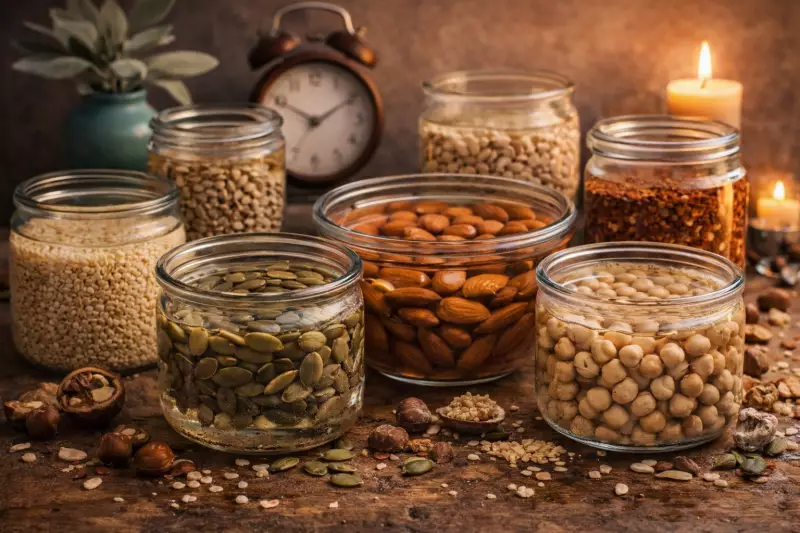
Forget the latest wellness trends. One of the most effective habits for better digestion is an age-old kitchen practice quietly passed down through generations: soaking. This simple step, often overlooked in modern cooking, can transform how your body handles everyday staples like nuts, seeds, and grains, making meals lighter and more nutritious.
Why Soaking Food is a Game-Changer for Your Gut
Many raw nuts, seeds, and grains contain natural compounds like phytic acid and enzyme inhibitors. In nature, these act as protective shields for the plant. However, in the human digestive system, they can become a source of stress, slowing down digestion and blocking the absorption of essential minerals.
Soaking initiates a biochemical process that neutralises these 'antinutrients'. It activates the food's own enzymes, begins to break down complex compounds, and effectively partially "pre-digests" the ingredient. The practical benefits for you are significant: less bloating and gas, better absorption of iron, zinc, and calcium, a feeling of lighter digestion, and more sustained energy release from your food.

It is crucial to understand that soaking does not make food magical or instantly digestible when raw. It simply prepares it to be more gut-friendly before proper cooking or consumption.
The Ultimate Soaking Time Chart: Nuts, Seeds, and Grains
Timing is everything. Soak for too little, and you see minimal benefit. Soak for too long, and you can ruin texture and flavour. Here is a practical, evidence-based guide to soaking times for common Indian kitchen ingredients.
Nuts: Softening Defences for Smoother Digestion
Almonds (Badam): Soak for 8 to 12 hours (overnight is perfect). This duration helps remove the slightly bitter tannins in the skin, softens it for easy peeling, and significantly improves mineral bioavailability. For best results, peel them after soaking.
Walnuts (Akhrot): A 4 to 6 hour soak is sufficient. It reduces the tannins that can cause a heavy feeling in the stomach. Avoid over-soaking, as walnuts can become bitter.
Cashews (Kaju): Being naturally softer, they only need 2 to 4 hours of soaking. This short period is enough to ease digestion, making them ideal for turning into pastes for gravies or adding to smoothies.
Peanuts (Moongphali): Soak for 6 to 8 hours to reduce compounds that can lead to gas. Remember, peanuts should always be cooked after soaking.
Seeds: Shorter Soaks with Big Nutritional Payoffs
Chia Seeds and Flaxseeds (Alsi): Both benefit from a brief 20 to 30 minute soak, though they can be soaked overnight. For chia, this creates a gel that prevents gut irritation. For whole flaxseeds, soaking (or grinding) is essential; otherwise, they pass through the body undigested.
Pumpkin (Kaddu) and Sunflower Seeds: Aim for 4 to 6 hours. This improves the availability of their protein and mineral content. A light roast after soaking enhances their taste.
Sesame Seeds (Til): Soak for 4 to 6 hours to reduce bitterness and improve the absorption of their renowned calcium. Use the soaked seeds in chutneys, laddoos, or pastes.
Grains and Legumes (Dals): Where Soaking Matters Most
Rice (Chawal): Soak white or brown rice for 30 minutes to 2 hours. This leads to easier digestion and a fluffier cooked texture. Brown rice gains more from soaking than white rice.
Oats: Soak whole or rolled oats for 6 to 8 hours to significantly reduce the heaviness and bloating they can sometimes cause. Using warm water or a spoonful of curd can aid the process.
Quinoa: A 6 to 8 hour soak helps remove the natural saponin coating that causes bitterness. Always rinse it thoroughly after soaking.
Moong Dal (Split or Whole): Soak for 4 to 6 hours to improve its already good digestibility, making it perfect for cheelas, khichdi, or sprouting.

Chickpeas (Chana) and Kidney Beans (Rajma): These heavier legumes require longer soaks. Chickpeas need 8 to 12 hours, while rajma needs 10 to 12 hours. Soaking is non-negotiable here—it drastically reduces cooking time and gas-forming compounds. Always discard the soaking water and pressure-cook them thoroughly.
Common Soaking Mistakes You Must Avoid
To reap the full benefits, steer clear of these common errors:
- Using hot water for soaking: This can kill the natural enzymes you are trying to activate.
- Soaking for days without changing water: This can lead to fermentation or spoilage.
- Skipping the rinse after soaking: Always rinse soaked ingredients to wash away the antinutrients released into the water.
- Storing soaked nuts for days in the fridge before eating: Consume them within a day or two for best quality and safety.
- Assuming soaking replaces cooking: For many legumes and grains, soaking is a preparatory step, not a substitute for proper cooking, which is essential to eliminate other harmful compounds.
By reviving this simple traditional practice and following these precise timings, you can unlock more nutrition from your daily diet and enjoy a noticeably smoother digestive experience. It is a small step back to kitchen wisdom for a significant leap forward in everyday wellness.





