

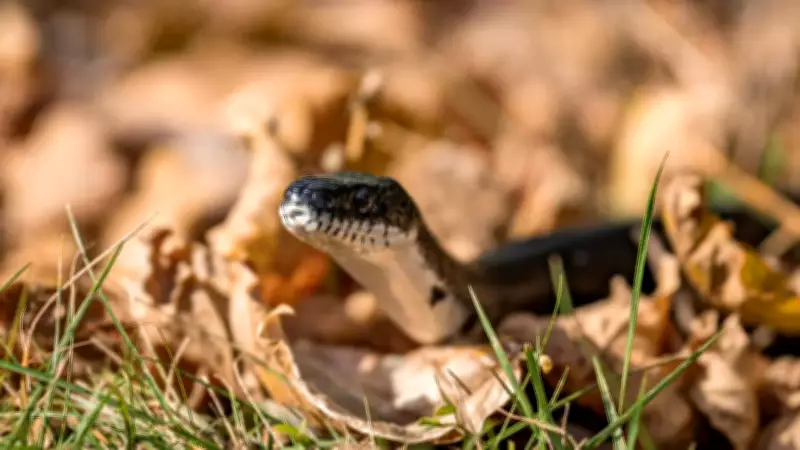
Snake Season Arrives: Understanding and Managing Garden Encounters
With the arrival of warmer weather, snakes begin to emerge from their hibernation sites and hidden shelters. Spring and summer mark the peak activity periods for these reptiles, leading to increased sightings in residential areas. You might observe one gliding across your lawn, weaving through flower beds, or navigating among shrubbery. They often seek refuge near leaf piles, old wood stacks, or other debris.
Most Snakes Are Harmless Visitors
The majority of snakes encountered in gardens are non-venomous species. These reptiles are typically just passing through or hunting for their next meal. Their diet consists of slugs, rodents, and various insects, making them natural pest controllers that eliminate nuisances you might not even notice. Despite their beneficial role, encountering a snake up close can trigger an instinctive "stop, freeze, think" response that many find unnerving.
Understanding proper response protocols can significantly reduce stress during these encounters while ensuring the snake's safety as well. Snakes are not inherently aggressive creatures and generally prefer to avoid human interaction. However, sudden movements, attempts to corner them, or efforts to capture them can provoke defensive behaviors. Even non-venomous snake bites can be painful and should be avoided through careful handling.

Safe Response Strategies for Garden Snake Encounters
Maintain Distance and Give Space
The fundamental rule when encountering a snake is to step back and create distance. These reptiles typically seek quiet, concealed spaces and perceive approaching humans as potential threats. By keeping a respectful distance and allowing the snake to move at its own pace, you create conditions for peaceful coexistence. Sometimes, simply standing still and observing quietly is sufficient, as the snake may pass through without further incident.
A crucial tip: Avoid sudden movements that create vibrations, which snakes can interpret as danger signals. Moving slowly and quietly helps maintain calm for both parties involved in the encounter.
Observe Without Interference
When possible, monitor the snake from a safe vantage point such as a window, garden gate, or distant edge of your yard. Observing the snake's movement patterns can help identify potential hiding spots like areas under porches, sheds, or foundation gaps. This monitoring approach allows you to ensure the snake departs safely while potentially preventing future surprise encounters.
You can also note whether specific areas repeatedly attract snake activity. Keeping mental or written notes about time of day, weather conditions, and exact locations can reveal patterns. Snakes often return to locations that provide reliable food sources or adequate shelter.
Professional Assistance When Necessary
Sometimes observation alone isn't sufficient, particularly when children, pets, or neighbors are present in the area. In such situations, experts recommend contacting trained wildlife handlers who can properly identify snake species. This is especially important since some snakes like adders or copperheads are venomous and require professional handling.
Even non-venomous snakes might warrant professional removal if they repeatedly enter high-traffic areas. This approach prioritizes safety for both humans and the reptiles themselves.
Avoid Provocation at All Costs
This point cannot be overemphasized: never poke, prod, or otherwise provoke a snake. Throwing sticks, chasing, or nudging these animals is dangerous and counterproductive. Even non-venomous snakes may bite if startled or threatened. Allow snakes to move freely without cornering or forcing them in any direction, as this significantly increases risk.
Snakes can be surprisingly fast and unpredictable when they feel threatened. Wildlife experts consistently advise patience during encounters, as snakes typically leave on their own when given the opportunity. A helpful reminder: snakes may appear slow-moving at times, but they're capable of sudden bursts of speed when escaping perceived threats.

Snakes as Natural Pest Control Partners
Snakes aren't merely occasional visitors to your garden—they serve as efficient, natural pest controllers. By preying on rodents, slugs, and various insects, they help reduce damage to plants and crops while decreasing the need for chemical pest control methods. Non-venomous snakes quietly contribute to maintaining balanced garden ecosystems, and removing them unnecessarily can disrupt this ecological equilibrium.
Many people overlook this significant ecological service. While initial encounters might feel unsettling, recognizing their role as pest managers can change perspectives. A few resident snakes might save gardeners hours of work controlling pests naturally. Furthermore, snakes rarely remain in gardens that don't provide adequate food sources or shelter opportunities.
Making Your Garden Less Attractive to Snakes
Reducing environmental attractants can help limit snake activity in your outdoor spaces. Practical measures include keeping grass trimmed short, removing debris piles, wood stacks, and leaf litter, and sealing gaps under sheds, porches, or foundations. Controlling rodent populations is particularly crucial since fewer food sources mean fewer snakes.
These small but consistent steps can make a significant difference. Gardening experts report that well-maintained, tidy gardens are less likely to host repeated snake visitors, creating a more balanced coexistence between human and reptile inhabitants.





