Sitarist Rishab Rikhiram Sharma Embarks on 'Sitar for Mental Health' Tour Across India
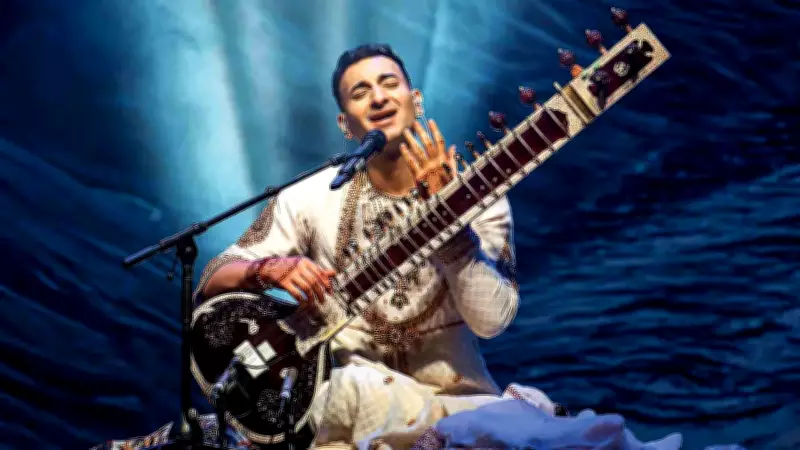
Amid recent discussions surrounding his artistry, sitarist Rishab Rikhiram Sharma is now channeling his energy into a forward-looking initiative, launching another edition of his acclaimed Sitar for Mental Health tour. Following a captivating performance in Mumbai, where he encouraged attendees to embrace Indian attire and henna, Sharma is preparing to extend his musical journey to other major cities, including Delhi. In an exclusive interview, he delves into the tour's origins, his innovative reinterpretations of classical music, and the profound impact he aims to create beyond mere entertainment.
'Sitar Became My Balm in Times of Grief and Uncertainty'
Rishab emphasizes that Sitar for Mental Health was not a calculated strategy but rather a heartfelt response to personal struggles. "After my grandfather passed away during the pandemic, I found myself grappling with anxiety and depression," he shares. "In that period of uncertainty and grief, sitar became my balm. Music didn't just comfort me—it carried me through. That's when I felt a deep urge to share Indian music in the same way it had healed me." This inner calling drives the tour, positioning it as a therapeutic experience for both the artist and his audience.
Familiarity as a Gateway to Indian Classical Music
When discussing classical music, Rishab highlights that familiarity often serves as the perfect entry point for new listeners. "When audiences recognize something they already love, they open up instantly," he explains. "I may bring them in with a Harry Potter or Game of Thrones theme, but once they're there, they're also experiencing traditional Indian classical music. It's less about fusion and more about translation—creating an accessible entry point." He further notes that this approach showcases the sitar's versatility, demonstrating that Indian instruments can traverse diverse genres without losing their core essence.

Timeless Compositions and Personal Connections
Reflecting on his popular tracks like Shiv Kailash and Chanakya, Rishab describes them as timeless pieces rooted in tradition yet presented in modern formats. "Interestingly, Chanakya gained momentum years after its release," he observes. "The Dheem Ta Dheem Ta hook has almost become synonymous with me—people often stop me and mention it with a smile." Regarding Shiv Kailash, he shares its personal significance: "My mother is from Himachal Pradesh, and I spent much of my childhood in Chamba. The song holds emotional weight for many in the Himalayan region, and I wanted to offer my own interpretation. Seeing audiences connect with it so strongly has been incredibly fulfilling."
Neo-Classical Experiences Beyond Labels
Addressing the label of 'spiritual concerts,' Rishab prefers to define his shows as immersive, neo-classical experiences. "There's always a tendency to define experiences through labels," he reflects. "I describe my concerts as neo-classical experiences. The first half includes breathwork, meditation, Dhrupad alaap and jod, along with traditional compositions. The second half opens into my original music, Bollywood reinterpretations, and jazz-fusion. It's less about fitting into a category and more about creating a holistic journey—one that feels immersive and transformative." This approach aims to foster a deep, emotional connection with attendees, making each performance a unique and healing event.