

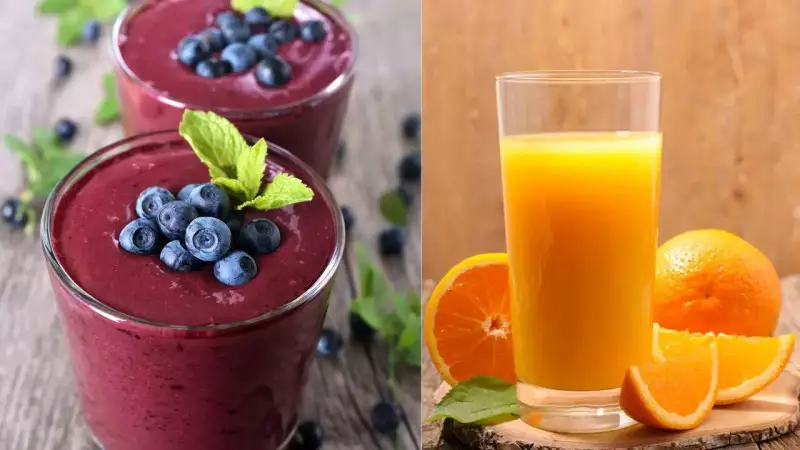
For millions of Indians living with diabetes, managing blood sugar levels is a daily priority where every food and drink choice matters. While smoothies and fresh juices often appear as healthy alternatives, especially when trying to incorporate more fruits and vegetables, they affect your body in dramatically different ways.
The Fundamental Difference: Fibre Content
The core distinction between these popular beverages lies in their preparation method and resulting fibre content. Juicing extracts only the liquid from fruits and vegetables, discarding the pulp and fibre. This process creates a concentrated drink rich in vitamins, minerals, and antioxidants, but it also packs a high concentration of natural sugars without the balancing effect of fibre.
Meanwhile, smoothies blend the entire fruit or vegetable, preserving all the natural fibre. This crucial difference significantly impacts how your body processes these drinks and manages blood glucose levels.

Why Smoothies Are Superior for Blood Sugar Management
For most people monitoring their blood sugar, smoothies typically represent the healthier option. The preserved fibre slows down digestion, preventing rapid spikes in blood glucose and helping you feel fuller for longer periods.
Additionally, smoothies offer greater versatility for nutritional enhancement. You can easily incorporate protein sources like Greek yoghurt or protein powder, and healthy fats from nuts, seeds, or avocado. These additions further stabilize blood sugar response and create a more balanced meal replacement.
A study published in MDPI journals confirmed these benefits, demonstrating that low-glycemic index smoothies significantly reduced blood sugar spikes compared to standard nutritional formulas.
The Hidden Risks of Fresh Juices
Despite their healthy appearance, fresh juices can pose significant risks for blood sugar management. The removal of fibre means your body absorbs the natural sugars much more rapidly, potentially causing sharp blood glucose increases. This effect occurs even with vegetable-based juices that include fruits like apples, pineapples, or oranges for sweetness.
Without fibre to slow absorption, you might experience not only blood sugar spikes but also increased hunger shortly after consumption, potentially leading to overeating.
Creating Diabetes-Friendly Smoothies
Follow these practical tips to prepare smoothies that support your blood sugar management goals:
Choose low-glycemic fruits like berries, apples, or pears instead of high-sugar tropical fruits such as mangoes or bananas.
Incorporate protein and healthy fats through ingredients like Greek yoghurt, almond butter, chia seeds, or flaxseed.
Add vegetables like spinach, kale, cucumber, and avocado to increase nutrients and bulk without adding sugar.
Avoid all added sweeteners including honey, syrups, sweetened yoghurts, and packaged fruit juices.
Can Juices Ever Fit a Diabetes Diet?
With careful preparation, juices can occasionally be included in a diabetes-friendly eating plan. Focus on vegetable-dominant combinations using low-carb options like celery, cucumber, spinach, and lettuce. Keep portions small, and always consume juices with a meal or snack containing protein or fat to moderate their blood sugar impact.
Both smoothies and juices require mindful consumption if you experience frequent blood sugar spikes, struggle with portion control, are carbohydrate-sensitive, or are at risk of weight gain. For personalized dietary guidance, always consult with a healthcare professional or registered dietitian.
Disclaimer: This article provides informational content only and should not replace professional medical advice. Consult your healthcare provider before making significant changes to your diet, medication, or lifestyle.






