

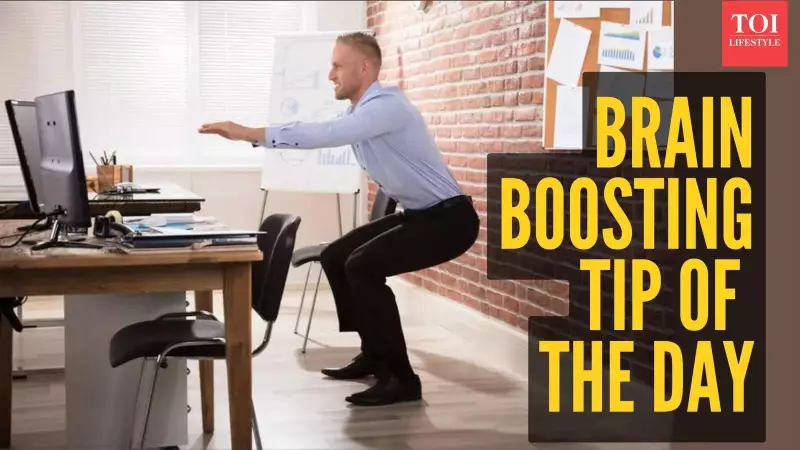
Move over marathon gym sessions. Neuroscientists are now championing a far more accessible and surprisingly powerful way to boost your brain: 'exercise snacks.' These are brief, 1 to 5-minute bursts of moderate-to-vigorous physical activity sprinkled throughout your day, and research confirms they offer profound benefits for your memory, attention, and long-term cognitive health.
What Are Exercise Snacks and How Do They Help Your Brain?
Unlike traditional workouts that require planning, gear, and time, exercise snacks are designed to fit into the nooks and crannies of a busy schedule. Think brisk stair climbing for two minutes, a fast walk around the block, a set of body-weight squats, or even a quick dance break to your favourite song. The goal is to elevate your heart rate for a short period, multiple times a day, especially between long sedentary periods.
The cognitive benefits are far from trivial. A 2019 study published in the Journal of Applied Physiology found that short, intermittent bouts of physical activity led to measurable improvements in executive function and working memory. The researchers observed that even a few minutes of vigorous movement increased blood flow to the brain's prefrontal cortex, which handles decision-making, focus, and memory. Participants demonstrated faster reaction times and better cognitive control immediately after these micro-sessions.

The Neuroscience Behind the Quick Brain Boost
So, how can such brief activity make a difference? The science points to two key mechanisms. First, the rapid movement sends a surge of oxygen-rich blood to the brain, cutting through mental fog and enhancing alertness. Second, and perhaps more importantly, it triggers the release of vital brain chemicals.
A 2017 review in Neuroscience & Biobehavioral Reviews established that acute bouts of physical exercise reliably increase levels of BDNF (Brain-Derived Neurotrophic Factor). BDNF acts like fertilizer for the brain, promoting neuroplasticity—the brain's ability to form new neural connections essential for learning and memory. Crucially, this review confirmed that you don't need a long workout to get this effect; consistency with short bursts is key.
Long-Term Protection and How to Get Started
The advantages extend beyond an immediate sharpening of focus. A 2022 large-scale study in JAMA Network Open concluded that short bouts of moderate-to-vigorous activity were linked to better cognitive performance across multiple domains, including processing speed and memory. Notably, individuals who accumulated movement in small bursts throughout the day outperformed their sedentary peers on cognitive tests, even if they didn't meet standard exercise guidelines.
Health experts recommend a simple protocol to reap these brain-boosting rewards:
- Every 2 to 3 hours, take a 1 to 5-minute movement break.
- Choose activities that get your heart rate up: fast stair climbing, brisk walking, squats, lunges, jumping jacks, or dancing to one song.
- No need to break a heavy sweat; feeling slightly breathless is a good indicator.
- Repeat daily for cumulative, long-term benefits.
This habit is particularly valuable for desk workers, students, anyone experiencing mental fatigue, adults concerned about memory decline, and those who struggle to find time for longer workouts. The research underscores that frequency matters more than intensity, making exercise snacks a sustainable and inclusive strategy for nearly everyone.
Disclaimer: The information in this article is for educational purposes only and is not a substitute for professional medical advice. Always consult a qualified healthcare provider before making significant changes to your exercise or health regimen.






