

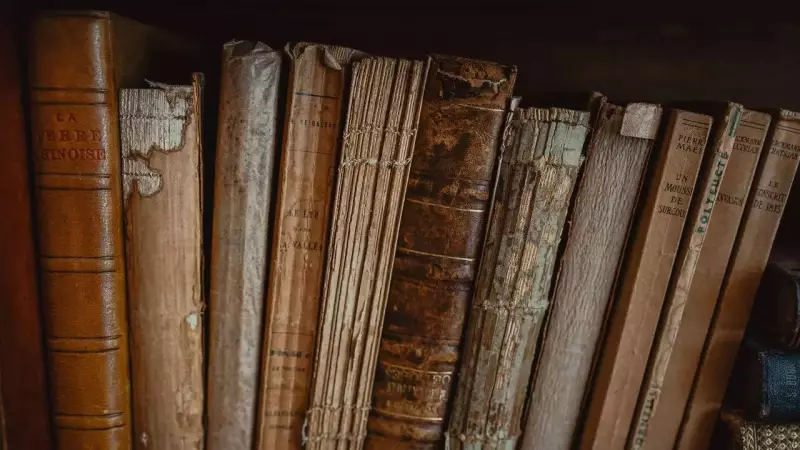
That distinctive, comforting aroma of an old book is one of life's simple pleasures. It greets you as you open a cover in a quiet library or browse the shelves of a second-hand bookshop. This familiar scent, clinging to pages, skin, and clothing, is more than just nostalgia; it's the tangible result of complex chemistry and the slow, inevitable ageing of materials like paper, ink, and glue.
The Chemical Recipe of an Old Book's Aroma
Descriptions of this beloved smell often include notes of sweetness, dryness, and a slight sharpness. People detect hints of vanilla, dried grass, or timber, sometimes with an acidic edge. This unique bouquet doesn't come from a single source. Instead, it's a complex blend created as numerous materials age together in a confined space.
Paper is the primary contributor. Since the 19th century, most paper has been made from wood pulp containing cellulose and lignin. Over time, these components break down. Cellulose chains fracture, and lignin oxidises, releasing volatile organic compounds into the air. A key study published in Heritage Science identified specific compounds like furfural, benzaldehyde, vanillin, and acetic acid. Vanillin, produced from degrading lignin, gives that soft, sweet note. Acetic acid signals paper acidification and is responsible for the sharper, more acidic tang.

How Storage and Handling Shape the Scent
Where and how a book is kept dramatically influences its smell. Temperature and humidity are critical factors. Higher temperatures accelerate chemical breakdown and emission, while humidity affects how paper absorbs moisture, altering the balance between sweet and acidic notes. Dry conditions often intensify the scent.
Airflow is another key player. In closed stacks or private rooms, emissions accumulate between shelves. Wooden furniture absorbs and later releases organic molecules, reinforcing certain smells. Dust adds a dry, earthy quality by carrying paper fibres and residues. Books stored together for decades eventually share and merge their individual scents, creating the characteristic atmosphere of a specific place.
The Supporting Roles: Ink, Glue, and Bindings
While paper leads, other components add depth to the olfactory symphony. Traditional printing inks, made from carbon black, oils, and resins, oxidise and release faint aromatic compounds. Coloured inks and handwritten annotations from fountain pens or pencils introduce additional chemicals, making heavily used or illustrated books smell subtly different.
Adhesives have an outsized impact. Older books often used animal-based glues or starch pastes. As these age, they release mild, sweet organic compounds. Opening a long-closed book warms these glued layers, releasing trapped compounds and intensifying the smell. Modern synthetic adhesives don't behave this way, making traditional glue a hallmark of older collections.
Finally, bindings contribute their own notes. Cloth covers treated with starches and dyes age alongside the paper. Leather bindings contain tanning agents and fats that oxidise as they dry and crack, producing a characteristic warm scent. Even the oils from human hands, transferred during handling, leave residues that slowly change over time, adding a personal history to the book's chemical profile.
In essence, the smell of an old book is a silent story. It is the physical evidence of its own making, its environment, and its use—a slow, quiet chemistry of memory etched into every page.






