

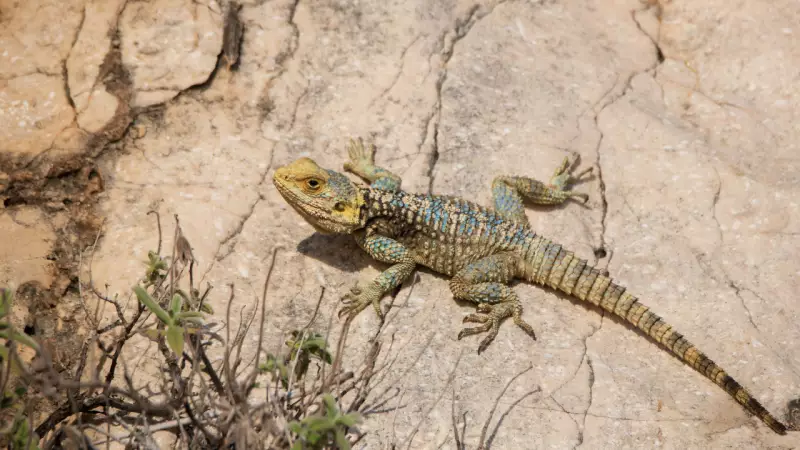
Have you ever noticed a lizard suddenly scurry away at the sight of a peacock feather? This common observation in Indian households is not mere superstition but a fascinating phenomenon rooted in the science of animal behavior and survival instincts.
The Hidden Science: Why Feathers Trigger a Lizard's Flight Reflex
The primary reason behind this aversion lies in the intricate design of the peacock feather. The prominent "eyespots" mimic the eyes of a larger predator, creating a powerful visual deception. Lizards, being reptiles that heavily rely on visual cues, instinctively perceive these spots as a direct threat from a potential predator staring them down. This triggers an immediate flight response, a survival strategy hardwired into their biology over millennia of evolution.
Adding to this effect is the feather's iridescent quality. The shimmering reflections and rapid color changes with movement or airflow can simulate the motion of a living creature. This combination of a perceived predator's "gaze" and the illusion of movement acts as a potent double stimulus, compelling the lizard to flee the area for its safety.

Using Peacock Feathers as an Effective, Natural Deterrent
Understanding this instinctual fear allows us to use peacock feathers as a practical, non-toxic method to keep lizards at bay. This approach is completely safe for humans, children, and pets, unlike chemical sprays or harmful sticky traps.
Here are some effective placement tips to maximize the deterrent effect:
- Position feathers near common entry points like window frames and doorways.
- Place them on kitchen shelves, corners, or cabinets where lizards are frequently spotted.
- For enhanced effect, gently move the feathers occasionally to renew the illusion of movement and maintain the perceived threat.
Cultural Significance and Modern Application
Beyond biology, peacock feathers hold deep cultural significance in India, traditionally believed to ward off snakes, insects, and negative energies. While these beliefs may not have a scientific basis, they align with the observed behavioral impact on lizards. This blend of ancient cultural practice and explainable natural science makes the peacock feather a unique and respected tool in many homes.
In essence, the lizard's fear of the peacock feather is a brilliant example of nature's complex patterns influencing animal behavior. By leveraging this natural instinct, we can adopt a harmless, eco-friendly, and chemical-free solution for managing these common household visitors, combining timeless tradition with a clear scientific rationale.






