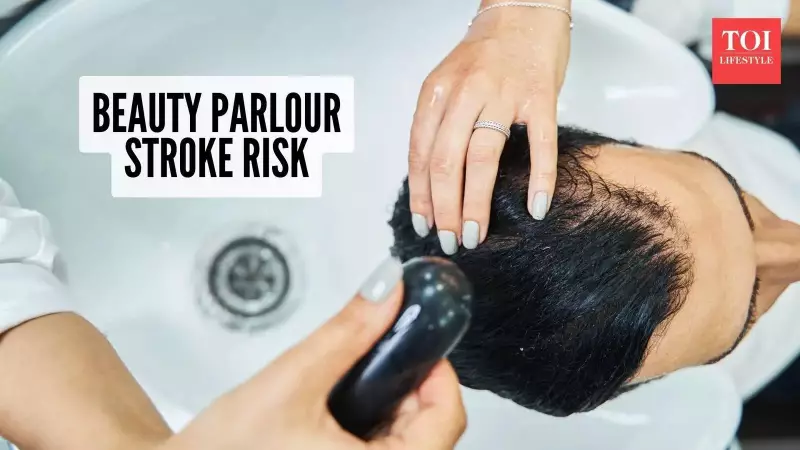
A trip to the salon is a routine act of self-care for millions. However, medical experts highlight a rare but serious health risk associated with a common salon practice: the backward neck position during hair washing. Known as Beauty Parlour Stroke Syndrome, this condition underscores the importance of posture even during seemingly harmless activities.
Understanding Beauty Parlour Stroke Syndrome
Beauty Parlour Stroke Syndrome refers to a stroke or a transient ischemic attack (mini-stroke) that is linked to specific neck positioning. The primary trigger is when the neck is extended backwards over a salon sink for a prolonged period, typically during a shampoo. This posture can compress or overstretch the vertebral arteries in the neck, which are crucial for supplying blood to the back of the brain.
When these arteries are compromised, blood flow to the brain can be reduced. This may lead to symptoms ranging from dizziness and blurred vision to, in severe cases, a full-blown stroke. The condition was first documented in medical literature in the early 1990s and, while considered uncommon, it is a preventable risk.

Who is Most at Risk and Key Warning Signs
While anyone can potentially experience symptoms, certain individuals have a higher vulnerability. People with pre-existing conditions like neck arthritis, chronic neck pain, a history of stroke or mini-strokes, high blood pressure, diabetes, or blood vessel disorders need to be particularly cautious. Smokers and those with recent neck injuries or surgeries also fall into the higher-risk category.
Symptoms may appear during the salon visit or several hours later. It is vital not to dismiss them as mere fatigue. The warning signs that demand immediate medical attention include:
- Sudden dizziness or a sensation of spinning (vertigo)
- Neck pain followed by a severe headache
- Blurred or double vision
- Slurred speech or difficulty speaking
- Weakness or numbness on one side of the face or body
- Loss of balance or coordination
Recognizing these signs early and seeking urgent care can prevent long-term neurological damage.
Practical Tips for a Safe Salon Experience
Safety does not require avoiding salon visits altogether. Instead, adopting a few simple modifications can significantly reduce any risk. Communication with your stylist is key.
Firstly, request a neutral neck position. Your neck should not be bent sharply backwards. Ask for a rolled towel or cushion to be placed under your neck for support, which helps maintain a straighter alignment and reduces strain on the arteries.
You can also ask to limit the time your neck is in extension during the wash. A quicker rinse is often sufficient. If any salon offers forward-leaning wash basins or methods, opt for those. Most importantly, speak up immediately if you feel any discomfort, pain, or pressure in your neck.
Additionally, if you have neck stiffness or are in a high-risk group, it may be wise to avoid vigorous neck massages at the salon. A gentle scalp massage is a safer alternative.
This information serves as a general awareness guide. It is not a substitute for professional medical advice. Any symptoms like dizziness, weakness, or vision changes require prompt evaluation by a qualified healthcare professional.