

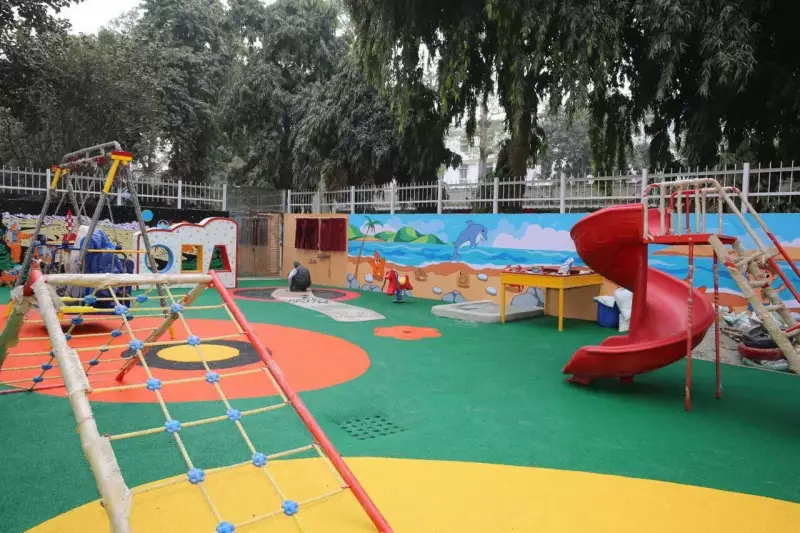
In a heartening move amidst its bustling outpatient departments and crowded wards, New Delhi's Safdarjung Hospital has inaugurated a unique sensory garden on its premises. Named 'Umang Vatika', this green space is designed as a therapeutic oasis for children with neurodevelopmental conditions, offering a structured outdoor environment to aid their clinical care.
A Sanctuary for Sensory Regulation and Support
The garden has been specifically developed as a supportive zone for young patients dealing with conditions like cerebral palsy, autism spectrum disorders, and attention deficit disorders. Hospital officials explained that the primary aim is to complement traditional medical treatments. By providing a carefully designed setting, the garden helps children regulate their sensory responses and cope more effectively with their ongoing therapies.
The space is engineered to engage all five senses—sight, sound, smell, touch, and movement. Doctors at the hospital highlight that such sensory-based interventions are becoming an integral part of holistic treatment plans. These interventions are proven to reduce anxiety, enhance attention spans, and improve social interaction among children with special needs.

More Than Just a Garden: A Respite for Families
Umang Vatika serves a dual purpose. While it is a therapeutic tool for the children, it also functions as an informal, calming space for their families. For parents and siblings who frequently visit the hospital, the garden offers a brief but valuable respite from the often stressful clinical environment. This initiative acknowledges the emotional toll that long-term hospital visits can take on a family unit.
The garden was formally inaugurated by Dr. Sandeep Bansal, the Director of VMMC & Safdarjung Hospital. The opening ceremony underscored the hospital's commitment to evolving its infrastructure to be more patient-centric.
A Pioneering Step in Government Healthcare
Hospital authorities have described Umang Vatika as a deliberate, though modest, attempt to introduce child-friendly and inclusive infrastructure within a government hospital setting. This is a significant step, as such facilities in public hospitals are rare due to high patient loads and constrained resources, which typically prioritize immediate clinical needs over supportive care environments.
This initiative sets a precedent for other government healthcare institutions across India. It demonstrates that with focused intent, spaces that promote mental well-being and holistic development can be integrated even in the busiest of hospitals, moving beyond a purely curative model to a more compassionate and comprehensive care approach.






