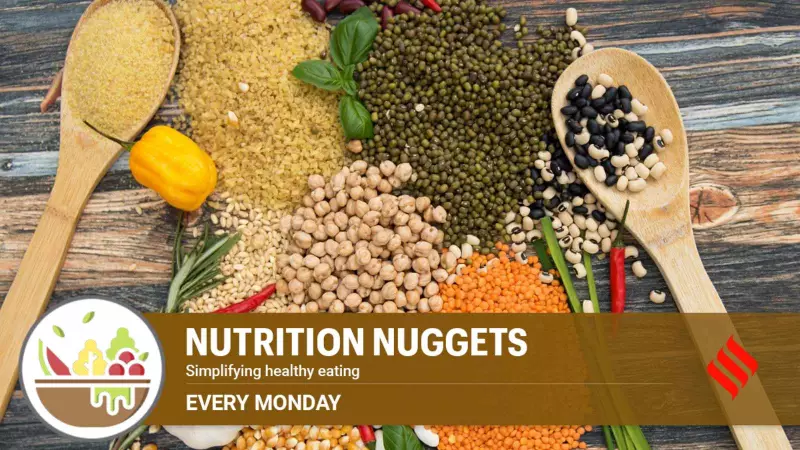
As India celebrates Republic Day in 2026, a significant trend is unfolding in the realm of nutrition, with traditional Indian pulses being heralded as the next generation of superfoods. From horse gram and kala chana to moth bean and lobia, these indigenous varieties are being rediscovered for their multifaceted benefits, including gut health enhancement, protein nutrition, and climate resilience. This movement builds upon recent years' focus on millets, makhana, moringa, and amla, now extending to legumes and pulses beyond the usual dal.
Understanding Legumes and Pulses
To appreciate this shift, it is essential to clarify the distinction between legumes and pulses. Legumes refer to plants that produce seeds in pods, while pulses are specifically the dried, edible seeds from these plants. This means all pulses are legumes, but not all legumes qualify as pulses, as some, like fresh peas and soybeans, are not always consumed in dried form. Pulses stand out as protein-rich sources, boasting high fibre content, a low glycaemic index that helps regulate blood sugar levels, and gluten-free properties, making them ideal for managing conditions such as diabetes, heart disease, and obesity.
Nutritional Powerhouses
Packed with essential nutrients like iron, which is crucial for preventing anaemia, as well as potassium and folate, pulses support overall heart health, boost immunity, and enhance nervous system function. They serve as affordable and accessible food options, readily available in local markets across India. For urban populations facing protein deficiency despite adequate calorie intake, pulses offer an effective plant-based alternative that eliminates the need for costly supplements or processed foods.

Gut Health, Satiety, and Longevity
Pulses play a vital role in improving gastrointestinal functioning by providing both soluble and insoluble fibre. This fibre nourishes beneficial gut bacteria, which in turn supports gastrointestinal health, immune defence, and metabolic processes. The traditional preparation of pulses helps individuals feel full for longer periods, a key yet often overlooked factor in achieving sustainable weight loss. Additionally, legume-based meals digest slowly, aiding in blood sugar control and preventing excessive hunger.
Climate-Smart and Farmer-Friendly Crops
Pulses are emerging as climate-resilient crops, sharing similarities with millets in their environmental benefits. They require minimal irrigation, enhance soil quality through nitrogen fixation, and can thrive in dry or low-quality land areas. By promoting diverse pulse varieties, this trend addresses climate-related food security challenges, offering an eco-friendly solution that delivers essential nutrition while supporting small-scale farmers. It reduces reliance on chemical fertilisers and strengthens local agricultural networks.
The Cultural Advantage
Pulses have deep roots in Indian culture, featuring prominently in regional dishes such as rasam with horse gram, kala chana chaat, usal, and sundal. The challenge now lies in innovating new ways to make these traditional foods attractive and accessible to modern consumers. Much like khichdi's transformation from a simple dish to a rejuvenating comfort food, pulses are shedding their old image as "sick food" and embracing a new identity as "smart food."
On this Republic Day, true progress may not stem from discovering something entirely new, but from reclaiming the nutritional treasures we have quietly overlooked. As highlighted by clinical dietician Simrat Kathuria, this shift towards traditional pulses represents a meaningful step towards holistic health and sustainability.