The Midnight Struggle: When Sleep Becomes the Enemy
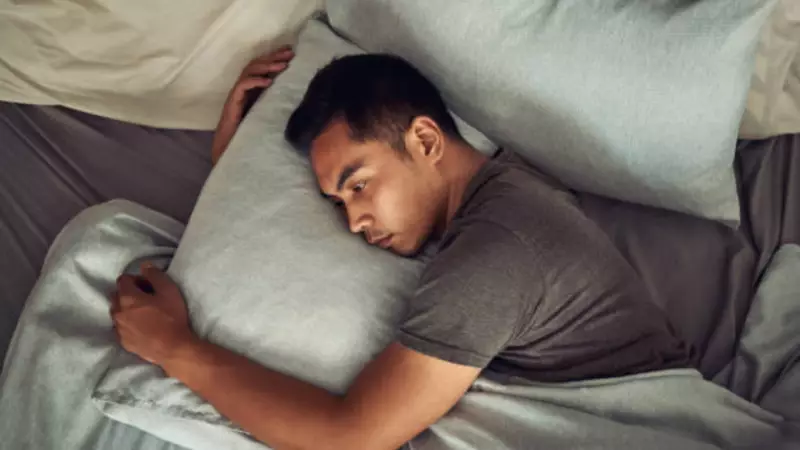
It's 2:17 AM. You stare at the ceiling, counting the dwindling hours before your alarm screams. Five hours left... maybe four. Your phone glows with notifications you swore you'd ignore. Tomorrow's meeting, unanswered emails, yesterday's smartwatch sleep score—all crowd your mind. Sleep refuses to come. The harder you chase it, the faster it runs away.
Does this sound painfully familiar? Health experts confirm what many experience nightly. The very pressure to "sleep right" and get "enough sleep" ironically keeps countless people wide awake. What friends dismiss as simple fatigue often masks deeper issues. For a growing section of young adults, these restless nights signal sleep anxiety.
Sleep Deprivation Knows No Borders
Recent data paints a grim global picture. In 2024, the US Centers for Disease Control and Prevention published its Behavioral Risk Factor Surveillance System survey results. The findings spanned from 2013 to 2024. More than one in three American adults reported insufficient sleep. The situation appears even worse for teenagers, with nearly eight out of ten not getting enough rest.

India mirrors this troubling trend. A LocalCircles survey last year found 59% of Indian respondents get less than six hours of uninterrupted sleep daily. These studies highlight a crucial point. Sleep deprivation is no longer confined by geography. It has evolved into a widespread, lifestyle-centric epidemic.
The Always-On Mind and Racing Thoughts
Sheena Sood, a psychology consultant and counsellor at PD Hinduja Hospital in Mumbai, explains the root cause. "Sleep anxiety appears among adults grappling with life stressors," she states. "These can stem from a difficult personal life or a demanding professional one. Many develop anxiety because their minds race at night. They feel that instead of sleeping, they could be getting things done."
Dr. Subho Sarkar, a consultant in Pulmonary and Sleep Medicine at Sir H.N. Reliance Foundation Hospital, Mumbai, points to modern work culture. "Our always-on lifestyle creates the problem," he says. "Constant notifications demand our attention. They keep our minds in a state of high alert. This leads to heightened autonomic activation. Our sympathetic nervous system stays constantly engaged. The result? Increased heart rate, muscle tension, and elevated cortisol—the body's primary stress hormone."
When Exhaustion Becomes a Badge of Honor
Society often glorifies burnout and exhaustion as signs of dedication. This dangerous narrative glamorizes sleep deprivation. It worsens sleep anxiety and fuels rising insomnia cases. Dr. Sarkar addresses the corporate elephant in the room: the celebration of overwork.
"Irregular work hours, excessive screen time, caffeine or alcohol use, and lack of sunlight exposure disrupt our natural sleep-wake cycle," he notes. "They increase susceptibility to sleep anxiety. Excessive worrying about tomorrow and ruminating over yesterday block the natural transition to sleep. This fragments sleep quality. Poor sleep then worsens daytime anxiety, creating a destructive loop."
The Vicious Cycle of Sleep Fear
Dr. Arun Chowdary Kotaru, Unit Head of Respiratory Disease and Sleep Medicine at Artemis Hospitals, describes the self-perpetuating nature of sleep anxiety. "People with sleep anxiety constantly worry about falling asleep, staying asleep, and getting enough rest," he observes. "This fear itself makes sleeping harder. It intensifies the stress cycle. As adults age, many begin to view bedtime with frustration rather than as an opportunity for restoration."
Are Sleep Trackers Helping or Hurting?
Urban adults face additional pressure to "sleep right." Smartwatches and sleep apps monitor every toss and turn. People increasingly judge their rest based on numbers and scores. Dr. Swapnil Mehta, Senior Consultant in Pulmonology at Dr. L H Hiranandani Hospital in Powai, Mumbai, issues a warning.

"A poor sleep reading can trigger worry and frustration," he cautions. "This creates a cycle where anxiety about sleep becomes the very reason sleep remains elusive. Stress from work, finances, traffic, caregiving, and work-life balance worsens the problem. Post-pandemic, many report higher stress levels and an inability to mentally switch off. This makes sleep more fragile and easily disrupted."
Reversing the Tide: Hope for Restful Nights
The situation is serious but not hopeless. Sheena Sood emphasizes sleep's critical role. "Sleep is a super essential marker of good physical and mental health," she asserts. "Lack of sleep compromises the immune and nervous systems. It hampers daily life and overall quality. Therefore, sleep anxiety needs addressing through lifestyle changes or professional help."
Dr. Swapnil Mehta offers encouraging news. "Sleep anxiety can be reversed with simple lifestyle adjustments," he emphasizes. "Creating a winding-down routine helps. Limit phone use before bed. Stick to regular sleep times. Practice relaxation techniques like deep breathing or meditation. These actions can reset the mind. Crucially, understand that an occasional bad night's sleep is normal—not catastrophic. This realization can significantly reduce anxiety. In busy urban lives, prioritizing calm before bedtime is as important as the number of hours spent asleep."
The solution lies in mastering small, consistent practices. Dr. Subho Sarkar concludes with practical advice. "Awareness of one's habits, lifestyle, and surroundings is key to fixing sleep anxiety," he says. "Small changes make a big difference. Fix sleep timings. Avoid electronic devices in the evening. Use dim lighting in bedrooms. Ensure a cool, ventilated sleep environment. Listen to white noise or relaxing soundscapes. Techniques like diaphragmatic breathing, progressive muscle relaxation, and guided meditations using digital tools can promote relaxation before sleep."
In a world that rarely powers down, learning to rest without guilt might be the most revolutionary step toward true mental well-being.