

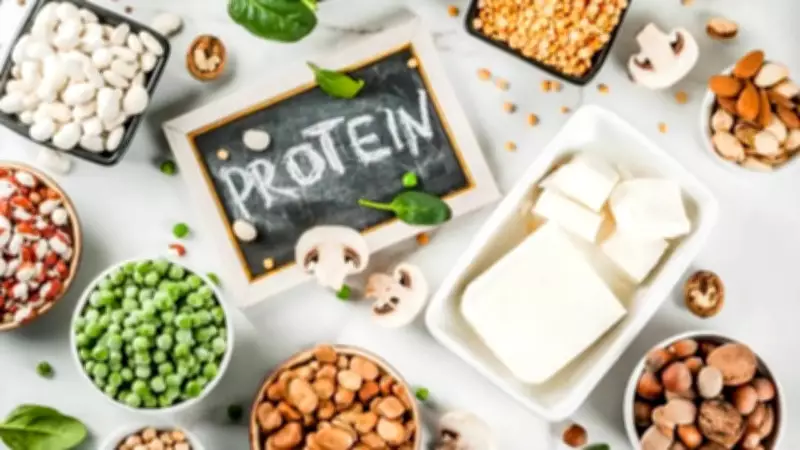
The Critical Role of Protein in Human Health
Protein stands as one of the most fundamental nutrients required by the human body for optimal functioning. Despite its paramount importance, the essential nature of protein for comprehensive wellness remains significantly underestimated among large segments of the population. According to comprehensive research from Harvard Medical School, protein serves as the foundational building block for numerous bodily structures and systems.
Protein's Multifunctional Role in the Body
Proteins are instrumental in forming critical components including bones, muscles, skin, blood vessels, and cartilage throughout the body. These nutrients are absolutely essential for both growth during developmental stages and ongoing maintenance throughout adulthood. A common misconception persists that proteins are primarily necessary for athletes or regular gym-goers. The scientific reality demonstrates that proteins are indispensable for every individual, regardless of age, gender, or activity level, to maintain robust health and vitality.
Proteins function as the body's primary repair and construction material, consisting of amino acids that are vital for building muscle tissue, repairing damaged body tissues, and ensuring the proper operation of internal organs. Beyond structural support, proteins play a regulatory role in countless bodily processes through the production of essential enzymes and hormones. This dual functionality makes protein consumption particularly crucial for growing children and individuals recovering from illness or injury.

The Consequences of Protein Deficiency
Medical experts at the prestigious Mayo Clinic have documented severe consequences resulting from inadequate protein intake. When the body fails to receive sufficient protein—approximately 0.4 grams per kilogram of body weight at each meal—it may begin cannibalizing muscle tissue as an alternative energy source. This metabolic adaptation leads directly to progressive muscle loss, diminished overall strength, and persistent weakness over time.
Individuals experiencing protein deficiency often report profound fatigue, reduced activity levels, and an inability to maintain normal stamina during daily activities. Simple physical tasks that were once routine may become unexpectedly exhausting. The body's prioritization system means that when protein resources are limited, vital functions take precedence, leaving non-essential processes under-resourced.
Visible Signs of Protein Insufficiency
Protein plays an indispensable role in maintaining healthy skin, hair, and efficient wound healing mechanisms. When protein intake falls below requirements, the body redirects available proteins to sustain critical life functions, resulting in noticeable external symptoms. These manifestations include brittle nails that break easily, significant hair loss or thinning, persistently dry and flaky skin, and delayed healing of wounds and injuries that would normally recover more quickly.
High-Risk Populations for Protein Deficiency
Several demographic groups face elevated risk for insufficient protein consumption:
- Older adults who require increased protein to preserve muscle mass and prevent age-related weakness
- Growing children and teenagers with heightened nutritional demands during development
- Pregnant women supporting fetal growth alongside their own nutritional needs
- Individuals following restrictive diets that unintentionally limit protein sources
- People who regularly skip meals or adopt extreme dietary patterns
Optimal Protein Consumption Strategies
Nutritional specialists emphasize that consistent protein distribution throughout the day yields superior health outcomes compared to concentrated consumption. Excellent protein-rich food sources include:

- Fish and seafood varieties
- Lean meats from various animals
- Eggs in their multiple preparations
- Legumes including beans, lentils, and chickpeas
- Poultry such as chicken and turkey
- Dairy products like milk, yogurt, and cheese
Maintaining adequate protein intake represents a cornerstone of preventive health care, supporting everything from cellular repair to systemic functioning. As nutritional science continues to evolve, the fundamental importance of protein in human health remains unequivocally established across all life stages and activity levels.





