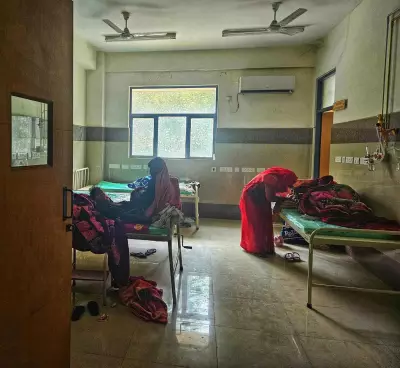
The arrival of a newborn is traditionally seen as a period of unbridled joy and celebration in Indian families. However, beneath this surface of happiness, many new mothers silently grapple with significant emotional turmoil. Postpartum depression (PPD) is a serious mental health condition that requires awareness, understanding, and timely intervention, moving beyond the stigma often associated with it in our society.
Understanding Postpartum Depression: More Than Just 'Baby Blues'
It is crucial to distinguish between the common 'baby blues' and clinical postpartum depression. Most new mothers experience 'baby blues' shortly after delivery, characterized by mood swings, tearfulness, irritability, and anxiety. These feelings are typically mild and tend to resolve on their own within two weeks of childbirth.
Postpartum depression, however, is a different and more severe condition. PPD is a form of clinical depression that can occur after a woman gives birth. It involves significant changes in a mother's mood, emotional state, and physical well-being. Unlike temporary baby blues, PPD impairs a woman's daily functioning, her interactions, and crucially, her ability to bond with her newborn. Importantly, PPD can develop anytime within the first year after delivery, not just in the initial weeks.

Recognizing the Symptoms and the Imperative of Early Treatment
The symptoms of postpartum depression can vary widely in their intensity. They may present as mild, moderate, or severe. These can include persistent sadness, loss of interest in activities, extreme fatigue, changes in appetite or sleep patterns, intense irritability, and feelings of worthlessness or guilt. In severe cases, PPD can lead to frightening thoughts of harming oneself or the baby, which is a clear medical emergency.
The early diagnosis and treatment of postpartum depression are absolutely essential for an effective recovery. Ignoring or neglecting PPD can have long-term consequences for the mother's mental health. Beyond the individual, untreated PPD creates ripple effects throughout the family. It can severely hinder the vital bonding process between mother and child, potentially affecting the child's emotional and cognitive development. Furthermore, it places an immense strain on familial relationships, increasing the burden on partners and other family members.
A Call for Awareness and Support
The narrative around childbirth in India needs to expand to honestly include the mental health challenges many mothers face. Recognizing postpartum depression as a legitimate medical condition, not a personal failing or weakness, is the first step. Every parent and family member should be informed about the signs of PPD. Creating a supportive environment where new mothers feel safe to express their struggles without judgment is critical. Seeking help from healthcare professionals—be it a gynecologist, psychiatrist, or counselor—is a sign of strength and the most responsible step towards ensuring the well-being of both the mother and the child. Open conversations can pave the way for healing and allow families to fully embrace the joys of parenthood.